
IBISWorld Platform
Answer any industry question in minutes with our entire database at your fingertips.

There are xx employees in the Scheduled Passenger Air Transport industry in the UK, which is expected to grow at xx% over the next five years. Companies in this industry provide scheduled air transportation services for passengers, operating regular domestic and international flight routes. Services may include economy, business and premium-class travel, as well as associated in-flight amenities and support operations that are essential to providing safe, reliable and efficient passenger air travel.
Curious about what drives these trends? IBISWorld's Scheduled Passenger Air Transport in the UK industry coverage has got you covered.
Total value (#) and annual change from 2012 – 2030.
The Scheduled Passenger Air Transport in the UK Industry Report is available in multiple formats to fit seamlessly into your workflow.
Answer any industry question in minutes with our entire database at your fingertips.
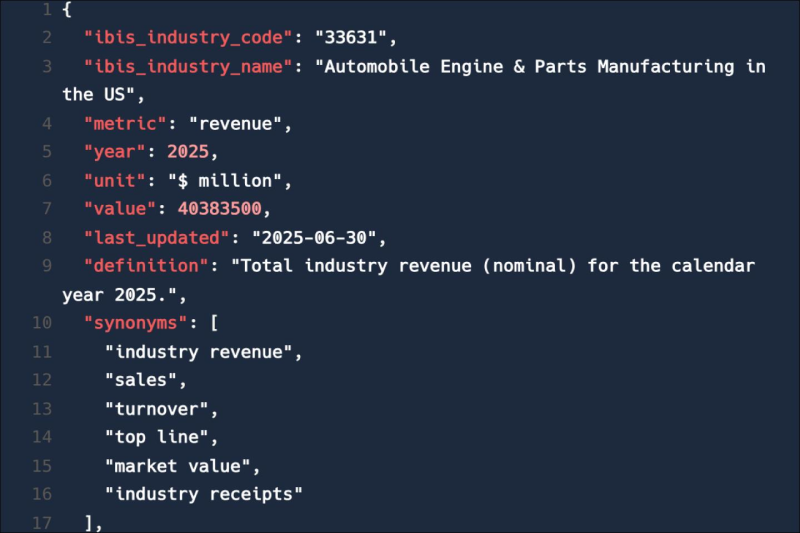
Feed trusted, human-driven industry intelligence straight into your platform.
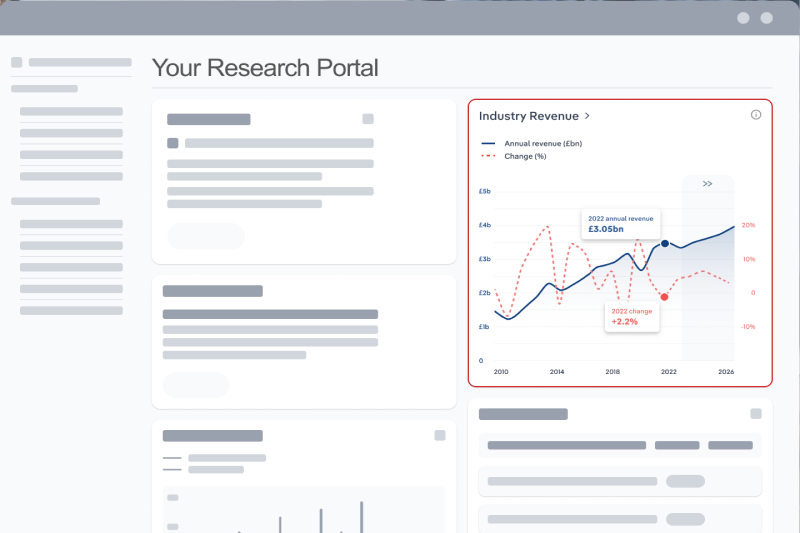
Streamline your workflow with IBISWorld’s intelligence built into your toolkit.
Explore industries with similar markets, supply chains, and economic drivers to gain broader context and insights.
When the stakes are high, you need intelligence that cuts through the noise—wherever you work.
There is 60,052 people employed in the Scheduled Passenger Air Transport in the UK as of 2026.
The number of people employed in the Scheduled Passenger Air Transport in the UK grew 4.5% on average over the five years between 2021 and 2026.
See our full analysis of the Scheduled Passenger Air Transport in the UK to understand if the industry employment is expected to grow or decline over the next five years.
The average Scheduled Passenger Air Transport in the UK business is 550.9 employees.
The average business in the Scheduled Passenger Air Transport in the UK now employs more workers than it did five years ago.
The revenue per employee for the average business in the Scheduled Passenger Air Transport in the UK has increased in the last five years.