
IBISWorld Platform
Answer any industry question in minutes with our entire database at your fingertips.

IBISWorld forecasts the value of merchandise trade imports to increase by 1.4% in 2026-27, to $85.49 billion. In the first month of 2026-27, merchandise trade imports increased by $0.22 billion compared to the same period in 2025-26, representing an increase of 3.4%. According to Statistics New Zealand, this modest increase has been driven by imports from key partners including China, the European Union and South Korea. The rise in imports from China was led by electrical machinery and equipment, as well as vehicles, parts and accessories. This trend will likely continue due to New Zealand's ongoing reliance on China as a key source of electronics and vehicles. The New Zealand-European Union Free Trade Agreement (NZ-EU FTA), which came into force in May 2024, has also supported pharmaceutical and machinery imports from the European Union. South Korea's imports were largely driven by petroleum products, reflecting elevated fuel prices as conflict in the Middle East has pushed global crude oil prices higher. These dynamics will continue to shape import growth in 2026-27.The value of merchandise imports has fluctuated but risen over the past five years. The New Zealand dollar has depreciated over the past five years, causing the costs of most major imported goods to rise. However, this trend has had a mixed effect on international imports. Higher prices for imported goods have limited demand from some consumers, particularly for discretionary items, but New Zealand's limited manufacturing base means consumers are often largely dependent on imports of manufactured goods. Specifically, refined petroleum, road vehicles and machinery products comprise the largest import categories into New Zealand, following the closure of petroleum refining in New Zealand in March 2022. This reliance on foreign manufacturing makes import demand relatively price-inelastic. Changes in the value of the New Zealand dollar are often directly passed through to consumers, which can cause the value of total merchandise imports to fluctuate. Overall, the depreciation of the New Zealand dollar over the past five years has contributed to the rise in the total value of imports during that period.When pandemic-related restrictions were lifted in 2022, pent-up demand drove up prices, contributing to the significant recovery in import values in 2021-22. Supply chain bottlenecks, the Russia-Ukraine conflict and inflationary pressures also pushed up commodity and merchandise prices in 2022-23, with the import price index soaring 18.6% that year. Large spikes in oil prices caused the value of refined petroleum imports to skyrocket, as domestic refining ended. New Zealand's reliance on imported fuel meant that these price increases had a limited effect on demand.As commodity prices normalised and supply chain bottlenecks eased, the total value of merchandise trade imports slumped in 2023-24. Petroleum import prices fell significantly after reaching record highs in 2022-23, although a spike in demand for petrol imports offset some of the impact on the value of petroleum product imports. Given that petroleum and road vehicles accounted for more than 20.0% of New Zealand's imports, the dip in these prices was a significant driver of the decline in total value of merchandise trade imports 2023-24. Continued price normalisation across these goods has weighed on import values over the two years through 2025-26. Still, FTAs and strong diplomatic relationships with key partners have sustained growth in import values over the past few years. Overall, IBISWorld forecasts the value of merchandise trade imports to rise at a compound annual rate of 2.7% over the five years through 2026-27.
Curious about what drives these trends? IBISWorld's analyst coverage on the value of merchandise trade imports includes detailled analysis on the current performance, outlook and industries affected.
1980-2034
This report analyses the value of New Zealand's imported merchandise. Statistics New Zealand (Tatauranga Aotearoa) is the data source for this report, which is measured in billions of current New Zealand dollars and expressed in New Zealand financial years.
IBISWorld Industry Reports are available in multiple formats to fit seamlessly into your workflow.

Answer any industry question in minutes with our entire database at your fingertips.
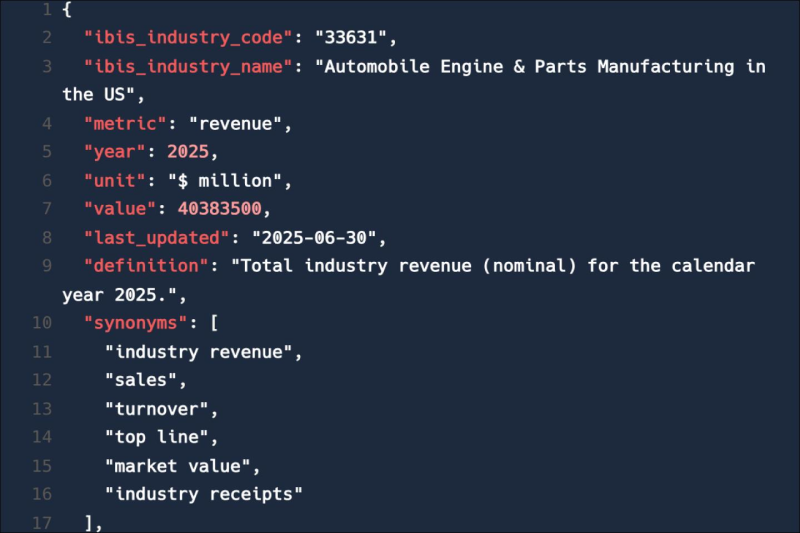
Feed trusted, human-driven industry intelligence straight into your platform.
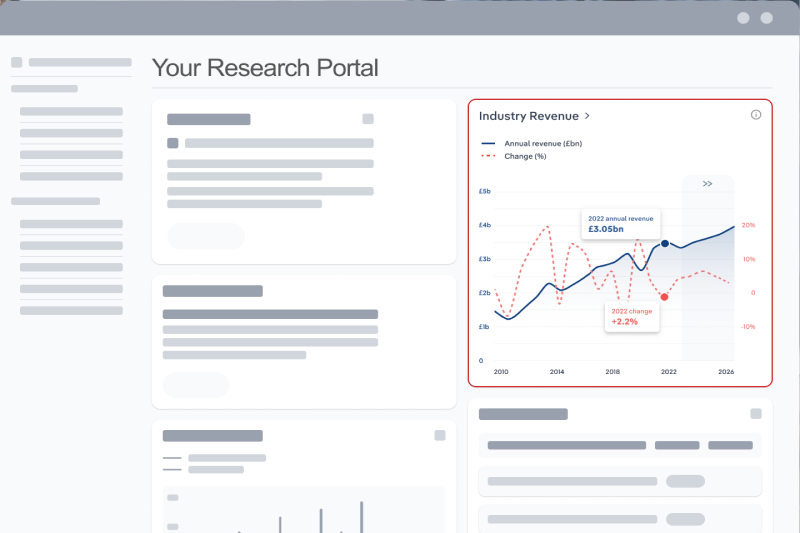
Streamline your workflow with IBISWorld’s intelligence built into your toolkit.
Explore industries with similar markets, supply chains, and economic drivers to gain broader context and insights.
| Industry | Country | Last 5-yr CAGR | Forecast 5-year CAGR | Revenue |
|---|---|---|---|---|
| Customs Agency & Freight Forwarding Services in New Zealand |

|
XX% | XX% | $XX |
When the stakes are high, you need intelligence that cuts through the noise—wherever you work.
The value of merchandise trade imports in New Zealand in 2027 was $85.49 billion.
The value of merchandise trade imports in New Zealand grew by 2.74% in 2027.
IBISWorld’s data and analysis on value of merchandise trade imports in New Zealand includes forecasted growth rates over the next five years.