
IBISWorld Platform
Answer any industry question in minutes with our entire database at your fingertips.

IBISWorld expects the median age of the population to rise to 38.4 years in 2025-26, an increase of 0.3 years on the previous year. This is in line with the ongoing trend towards the ageing of the New Zealand population. Advancements in healthcare and medical technologies have driven an increase in the life expectancy of New Zealand residents. Consequently, New Zealand residents are living longer, contributing to an increase in the median age of the population.The expansion of life expectancy in New Zealand, as a result of advancements in healthcare and medical technology, as well as rising health consciousness, is having the most pronounced long-term effect on the median age of the New Zealand population. As New Zealand residents live longer, they spend a greater amount of time above the median age. However, high levels of net migration over most of the past decade have limited rises in the median age of the population. Yet, during the pandemic a collapse in net migration because of border closures led to an uptick in the median age in 2020-21 and 2021-22. Surging net migration during 2023-24, when the median age of arrivals dropped from 31 to 30, helped drive down the median age in 2023-24. Overall, IBISWorld forecasts the median age of the New Zealand population will rise at an average annual rate of 0.16 years over the five years through 2025-26.
Curious about what drives these trends? IBISWorld's analyst coverage on the median age of the population includes detailled analysis on the current performance, outlook and industries affected.
1991-2033
This report analyses the median age of the New Zealand population, which indicates whether a population is ageing or getting younger. Changes to the median age affect the size of the labour force and the financial commitment of supporting the elderly. The data for this report is sourced from Statistics New Zealand (Tatauranga Aotearoa), and measures the median age of the New Zealand population at the end of the financial year.
IBISWorld Industry Reports are available in multiple formats to fit seamlessly into your workflow.

Answer any industry question in minutes with our entire database at your fingertips.
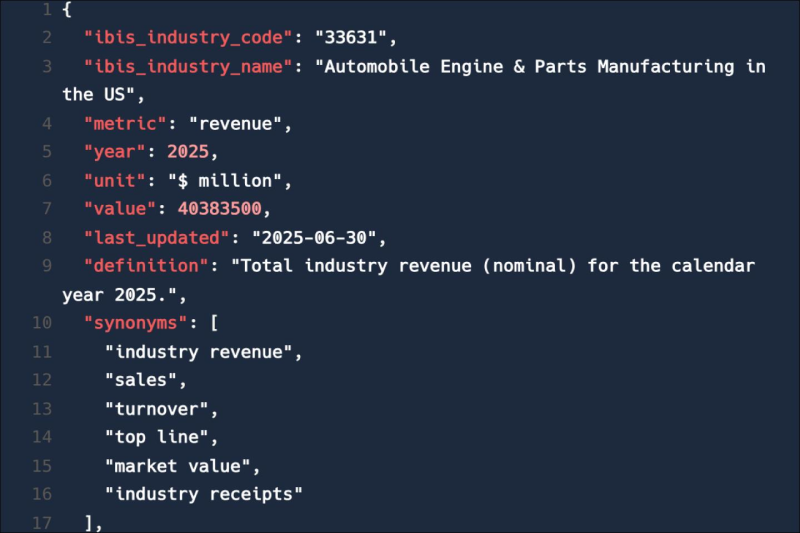
Feed trusted, human-driven industry intelligence straight into your platform.
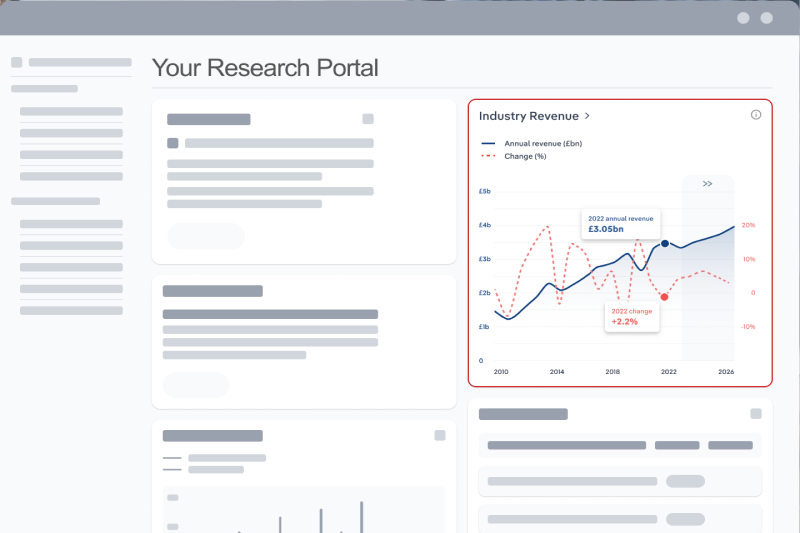
Streamline your workflow with IBISWorld’s intelligence built into your toolkit.
Explore industries with similar markets, supply chains, and economic drivers to gain broader context and insights.
| Industry | Country | Last 5-yr CAGR | Forecast 5-year CAGR | Revenue |
|---|---|---|---|---|
| Specialist Medical Services in New Zealand |

|
XX% | XX% | $XX |
| Fast Food and Takeaway Food Services in New Zealand |
|
XX% | XX% | $XX |
| Personal Welfare Services in New Zealand |
|
XX% | XX% | $XX |
When the stakes are high, you need intelligence that cuts through the noise—wherever you work.
The median age of the population in New Zealand in 2026 was 38.4 years.
The median age of the population in New Zealand grew by 0.42% in 2026.
IBISWorld’s data and analysis on median age of the population in New Zealand includes forecasted growth rates over the next five years.