
IBISWorld Platform
Answer any industry question in minutes with our entire database at your fingertips.

There are xx businesses in the Hazardous Waste Collection & Transport industry in Australia, which is expected to decline at xx% over the next five years. The industry collects and transports hazardous waste. Waste is classified as hazardous if it poses a substantial threat to public health or the environment. Four factors determine whether a substance is considered hazardous: ignitability, reactivity, corrosivity and toxicity. The industry excludes councils or municipalities that provide hazardous waste services to residents.
Curious about what drives these trends? IBISWorld's Hazardous Waste Collection & Transport in Australia industry coverage has got you covered.
Total value (#) and annual change from 2012 – 2030.
The Hazardous Waste Collection & Transport in Australia Industry Report is available in multiple formats to fit seamlessly into your workflow.
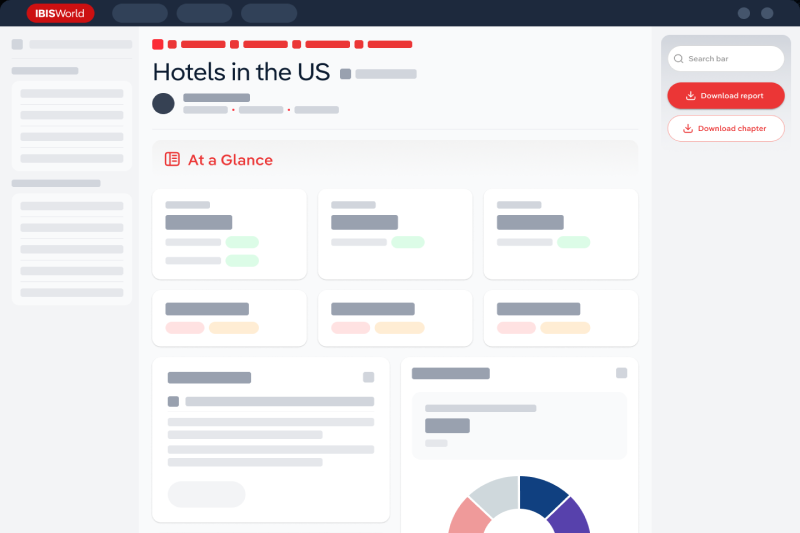
Answer any industry question in minutes with our entire database at your fingertips.
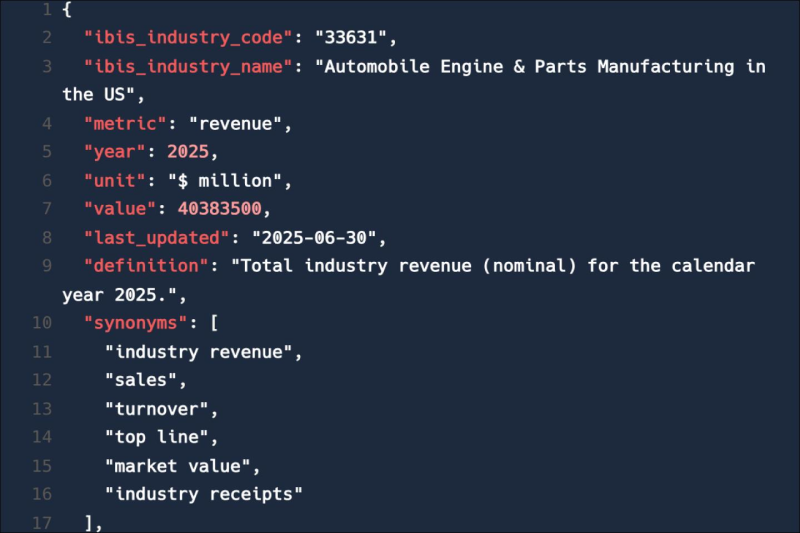
Feed trusted, human-driven industry intelligence straight into your platform.
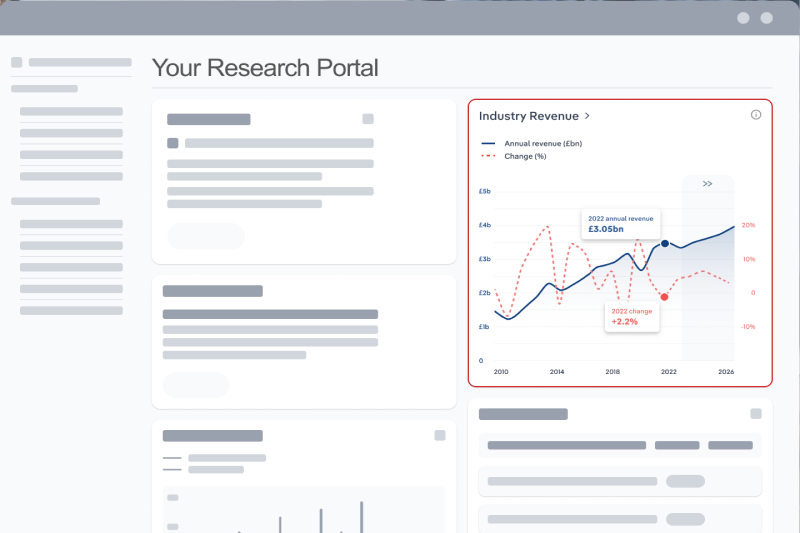
Streamline your workflow with IBISWorld’s intelligence built into your toolkit.
Explore industries with similar markets, supply chains, and economic drivers to gain broader context and insights.
When the stakes are high, you need intelligence that cuts through the noise—wherever you work.
There is 478 Hazardous Waste Collection & Transport in Australia businesses as of 2026, an decrease of -1.0% from 2025.
The number of Hazardous Waste Collection & Transport in Australia businesses has grown 0.2% per year on average over the five years between 2021 and 2026.
See our full analysis of the Hazardous Waste Collection & Transport in Australia to understand if the mumber of bussinesses is expected to grow or decline over the next five years.
The Hazardous Waste Collection & Transport in Australia has low market share concentration and the largest business is Cleanaway.