
IBISWorld Platform
Answer any industry question in minutes with our entire database at your fingertips.

Egg prices are retreating from crisis-era peaks but remain elevated relative to pre-pandemic norms in 2026. The average retail price is estimated at $2.39 per dozen in 2026, representing a 43.8% steep decline from 2025's all-time high of roughly $4.25 as emergency supply constraints begin to unwind. This pullback reflects the gradual rebuilding of flocks and a partial easing of disease pressures, even as contractual rigidities and seasonal demand keep retail prices from fully mirroring wholesale swings. Short-term volatility remains pronounced, with wholesale benchmarks having surged to $8.76 in early 2025 before moderating as imports picked up and production capacity returned. From 2021 through 2026, overlapping shocks repeatedly constrained supply and amplified price swings, driving a 7.4% compound annual growth rate. Highly pathogenic avian influenza (H5N1) has been the dominant force, prompting the culling of more than 166.0 million birds and repeatedly eroding the laying flock just as producers attempted to restore capacity. Each new outbreak reset the recovery clock, tightening the market and reinforcing a pattern of abrupt price spikes followed by only partial retreats. Persistent pandemic-era logistics issues, elevated feed and fuel costs and wider food inflation intensified these pressures, limiting producers' ability to absorb higher input costs without passing them on to consumers.Trade and policy factors have further shaped egg prices over the five-year period, adding rigidity to an already-stressed supply chain. Import tariffs and limits on the foreign egg supply narrowed the range of short-term adjustment mechanisms, forcing retailers and consumers to shoulder a larger share of the shock when domestic production faltered. At the same time, consumer demand proved remarkably resilient, supported by rising per capita egg consumption as households leaned on eggs as a relatively affordable protein source despite inflation. Together, resilient demand, constrained imports and recurrent disease outbreaks ensured that prices remained well above historical norms and unusually volatile across 2021-2026, even during brief periods when costs and spot prices temporarily eased.
Curious about what drives these trends? IBISWorld's analyst coverage on the price of eggs includes detailled analysis on the current performance, outlook and industries affected.
1980-2032
The price of eggs represents the average retail price of a dozen large Grade A eggs in US cities. Annual figures are the equally weighted averages of monthly means. Data is sourced from the Bureau of Labor Statistics, and projections are sourced from the US Department of Agriculture (USDA).
IBISWorld Industry Reports are available in multiple formats to fit seamlessly into your workflow.

Answer any industry question in minutes with our entire database at your fingertips.
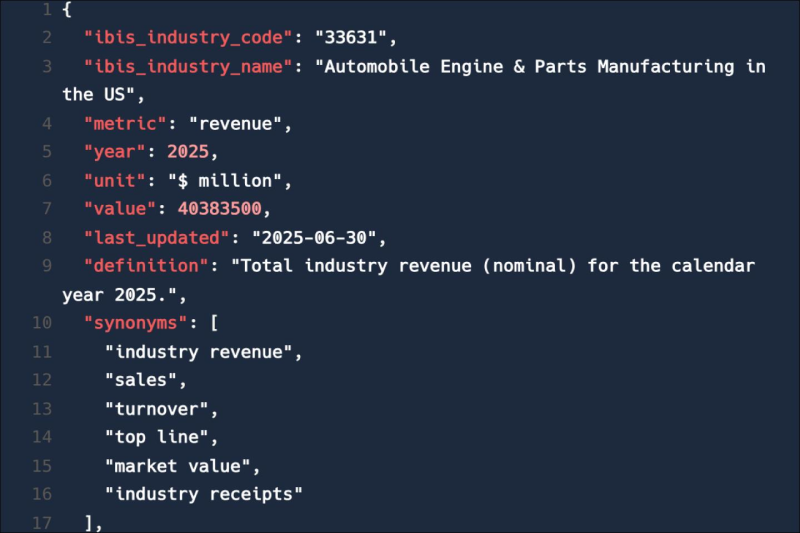
Feed trusted, human-driven industry intelligence straight into your platform.
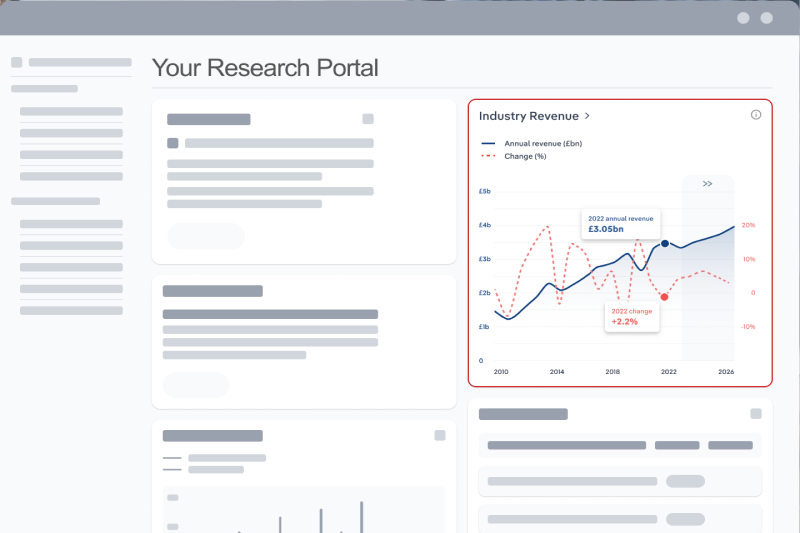
Streamline your workflow with IBISWorld’s intelligence built into your toolkit.
Explore industries with similar markets, supply chains, and economic drivers to gain broader context and insights.
| Industry | Country | Last 5-yr CAGR | Forecast 5-year CAGR | Revenue |
|---|---|---|---|---|
| Chicken Egg Production in the US |

|
XX% | XX% | $XX |
When the stakes are high, you need intelligence that cuts through the noise—wherever you work.
The price of eggs in the US in 2026 was $2.39 per dozen.
The price of eggs in the US grew by 7.39% in 2026.
IBISWorld’s data and analysis on price of eggs in the US includes forecasted growth rates over the next five years.