
IBISWorld Platform
Answer any industry question in minutes with our entire database at your fingertips.

Diesel prices are expected to rise 26.0% in 2026, driven by the combined impact of geopolitical risk and tight fuel supplies. The conflict involving Iran inflated risk premiums on crude oil and refined product shipments, raising transportation costs along key maritime routes and pushing up global crude benchmarks such as WTI, which in turn increases refiners' feedstock costs. Because diesel is produced from crude, higher input and logistics costs flow directly into higher diesel prices, while lean distillate inventories and limited spare refining capacity leave little buffer to absorb new shocks, causing conflict-related pressures to pass through more sharply to buyers in the first half of the year. Conditions are expected to improve in the second half of 2026. A memorandum of understanding signed in June 2026 effectively ended the conflict and restored more stable shipping through the Strait of Hormuz, supporting expectations of rising oil production and lower energy prices by year-end. As supply returns to energy markets, HSBC have warned of potential oversupply or a glut, which could contribute to price declines. Even so, the early-year disruption will cause 2026 to register as a net increase in diesel prices, though not as severe as previously forecast. Distillate inventories drawn down during the conflict are also expected to remain about 7.0% below the five-year average as of late June 2026, acting as a lingering stress point that prevents diesel costs from fully reverting despite improving input and logistics conditions later in the year.Between 2021 and 2026, the diesel market was shaped by a series of complex and significant events. However, as vaccinations against COVID-19 were widely administered and governments began to lift lockdown measures, a recovery ensued in 2021. This led to a swift rebound in economic activities and a surge in diesel prices by 28.1% as industries resumed operations. The geopolitical landscape further complicated the market in 2022. Russia's invasion of Ukraine initiated significant geopolitical tensions, leading to the US and European Union imposing sanctions on Russian oil products, which pushed domestic diesel prices higher by 51.8% within the year. During this period, the US diesel industry also began to see the effects of increased energy production and the expansion of refining capacities, bolstered by supportive governance from the Biden Administration. However, these efforts to stabilize the market were somewhat countered by the Environmental Protection Agency's (EPA) mandates requiring the blending of sustainable fuels into the diesel supply, which introduced additional costs. Despite these countering pressures, the collective influence of these events led to a CAGR of 7.0% for diesel prices from 2021 through 2026, demonstrating the market's resilience amid fluctuating external factors.
Curious about what drives these trends? IBISWorld's analyst coverage on the price of diesel includes detailled analysis on the current performance, outlook and industries affected.
1980-2032
The US retail price of diesel fuel is closely linked to the world price of crude oil and represents the average nominal costs of diesel fuel in terms of US dollars per gallon. Annual figures are presented as the equally weighted average of monthly averages. Historical figures and projections are sourced from the US Energy Information Administration (EIA) using both the Short-Term and the Annual Energy Outlook reports.
IBISWorld Industry Reports are available in multiple formats to fit seamlessly into your workflow.

Answer any industry question in minutes with our entire database at your fingertips.
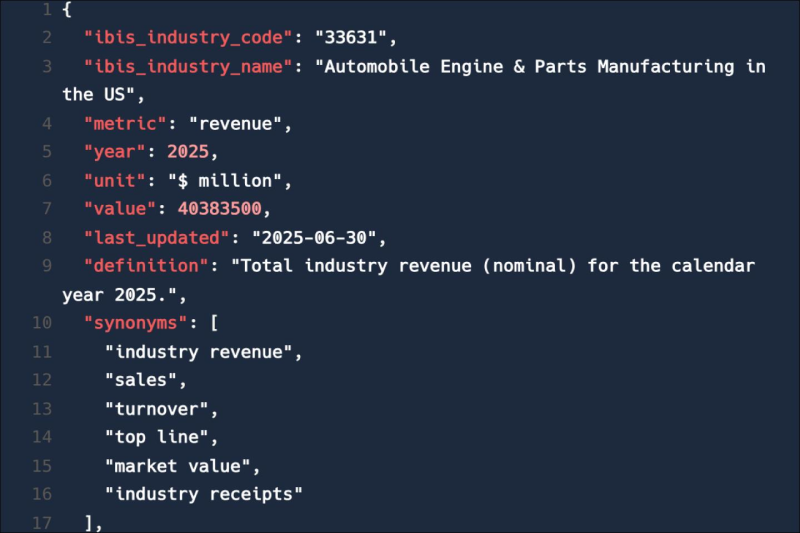
Feed trusted, human-driven industry intelligence straight into your platform.
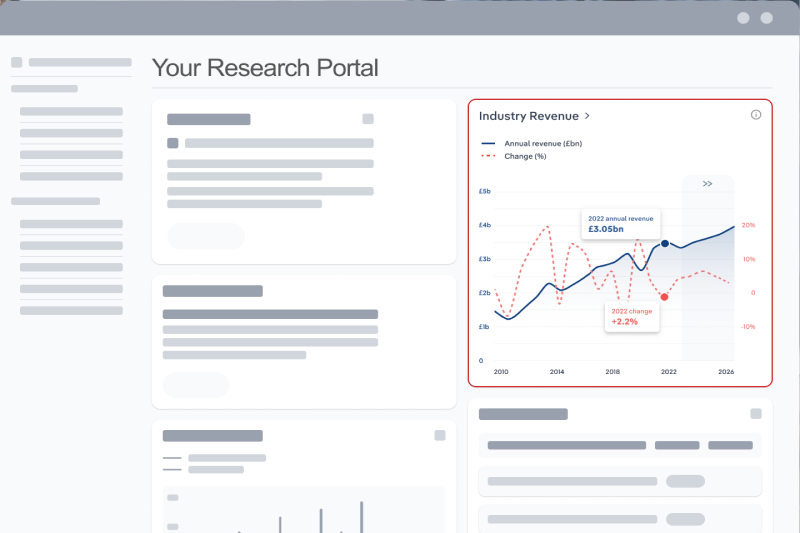
Streamline your workflow with IBISWorld’s intelligence built into your toolkit.
Explore industries with similar markets, supply chains, and economic drivers to gain broader context and insights.
| Industry | Country | Last 5-yr CAGR | Forecast 5-year CAGR | Revenue |
|---|---|---|---|---|
| General Freight Trucking (Less Than Truckload) in the US |

|
XX% | XX% | $XX |
| Rail Transportation in the US |
|
XX% | XX% | $XX |
| Shortline Railroad Operation in the US |
|
XX% | XX% | $XX |
| Dump Truck Services in the US |
|
XX% | XX% | $XX |
| Truck Repair in the US |
|
XX% | XX% | $XX |
| General Freight Trucking (Truckload) in the US |
|
XX% | XX% | $XX |
| Local Refrigerated Trucking in the US |
|
XX% | XX% | $XX |
| Hazardous Waste Collection in the US |
|
XX% | XX% | $XX |
| Inland Water Transportation in the US |
|
XX% | XX% | $XX |
| Long-Distance Refrigerated Trucking in the US |
|
XX% | XX% | $XX |
| Camera & Film Wholesaling in the US |
|
XX% | XX% | $XX |
| Scheduled & Charter Bus Services in the US |
|
XX% | XX% | $XX |
| Sightseeing Transportation in the US |
|
XX% | XX% | $XX |
When the stakes are high, you need intelligence that cuts through the noise—wherever you work.
The price of diesel in the US in 2026 was $4.61 per gallon.
The price of diesel in the US grew by 7.04% in 2026.
IBISWorld’s data and analysis on price of diesel in the US includes forecasted growth rates over the next five years.