
IBISWorld Platform
Answer any industry question in minutes with our entire database at your fingertips.

The US poverty rate is estimated at 12.4% in 2025, marking a modest drop of 1.8% from the previous year. This improvement is largely attributed to a stable unemployment rate and continued support from core social programs, which have remained intact without major reductions. In particular, Social Security remains a crucial safety net for seniors, shielding many older Americans from falling below the poverty line. At the same time, recent increases in minimum wage across several states and industries and union-negotiated and private wage hikes have contributed to rising incomes for many workers. These higher wages and expanded compensation have enabled more Americans to keep up with essentials like housing and food, reducing their risk of falling into poverty. As a result, for 2025, the combination of steady employment, social safety nets and upward wage pressures has helped prevent further increases in poverty and allowed many families to maintain a better financial footing.The poverty rate experienced small but notable shifts tied closely with macroeconomic developments from 2020 to 2025. In 2021 and 2022, the poverty rate hovered near 11.5% as the effects of pandemic-related unemployment continued, but government stimulus programs and a low-interest-rate environment mitigated large spikes in poverty levels. These interventions provided a buffer for vulnerable households and prevented more severe increases in the poverty rate. As the economy began to recover, 2023 saw the poverty rate fall by 0.4%, despite persistent inflation and higher borrowing costs, suggesting a relatively strong labor market and sustained, if uneven, economic growth. Entering 2024 and 2025, renewed increases in the poverty rate were recorded, with a cumulative rise of 1.3% over these two years. This reversal was primarily driven by the extended effects of high interest rates and inflation, which reduced real incomes and hampered the purchasing power of those at the lower end of the income distribution.Macroeconomic factors such as fluctuating employment levels, inflation, and adjustments in monetary policy have played key roles in shaping the poverty rate's recent trajectory. The interaction between these drivers and policy interventions, notably stimulus and Federal Reserve rate decisions, has dictated the ability of at-risk populations to weather periods of economic stress. Rising housing costs, particularly in urban areas, have further contributed to modest increases in the poverty rate during the period by eroding the real value of incomes for households close to the poverty threshold.During the five years to 2025, the US poverty rate declined only marginally at a CAGR of 1.8%, fluctuating in response to broader economic cycles and policy responses. While temporary declines highlighted periods of economic strength, increased inflation and higher interest rates produced an environment of financial strain for lower-income households, limiting overall improvement in poverty levels.
Curious about what drives these trends? IBISWorld's analyst coverage on the poverty rate includes detailled analysis on the current performance, outlook and industries affected.
1980-2031
The poverty rate represents the percentage of the US population below the poverty line set by the US Census Bureau. This line is calculated by the inflation-adjusted cost of a basket of necessary goods and services. Data is sourced from the US Census Bureau.
IBISWorld Industry Reports are available in multiple formats to fit seamlessly into your workflow.

Answer any industry question in minutes with our entire database at your fingertips.
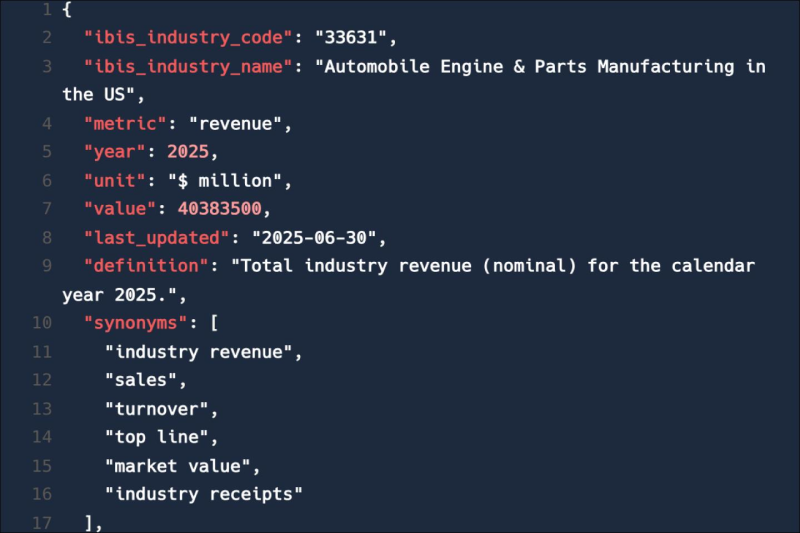
Feed trusted, human-driven industry intelligence straight into your platform.
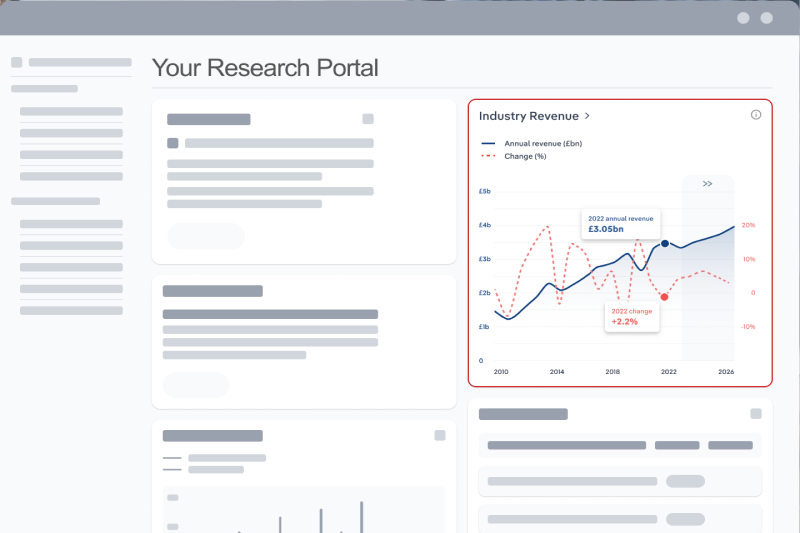
Streamline your workflow with IBISWorld’s intelligence built into your toolkit.
Explore industries with similar markets, supply chains, and economic drivers to gain broader context and insights.
When the stakes are high, you need intelligence that cuts through the noise—wherever you work.
The poverty rate in the US in 2025 was 10.45%.
The poverty rate in the US declined by -1.84% in 2025.
IBISWorld’s data and analysis on poverty rate in the US includes forecasted growth rates over the next five years.