
IBISWorld Platform
Answer any industry question in minutes with our entire database at your fingertips.

In 2026, funding for disability insurance is set to rise 3.2% year over year to $126.4 billion. This increase is driven by sustained enrollment in disability programs, which requires higher government payouts, and by a 2.8% cost-of-living adjustment that keeps benefits aligned with inflation and helps preserve recipients' purchasing power. After years of decline, the number of Social Security Disability Insurance beneficiaries is expected to grow in 2026, adding further pressure on program costs and expanding the pool of recipients who qualify for support as the population ages and more workers face disability risks. The Social Security Administration anticipates this upward trend in participation will continue into 2027, increasing the long-term obligations associated with disability benefits and reinforcing the need for higher appropriations. At the same time, staffing reductions at the agency have reduced the number of administrative law judges and contributed to growing hearing backlogs, which may delay appeal decisions and slow the distribution of payments, creating procedural challenges for eligible beneficiaries even as overall funding rises. From 2021 to 2026, several developments significantly influenced the allocation and utilization of disability insurance funds. Inflationary COLA adjustments have been crucial in ensuring benefits keep pace with changing economic conditions, thus increasing payment amounts and providing critical support to beneficiaries. In 2024, policy shifts expanded SSDI eligibility to include conditions such as musculoskeletal disorders and long COVID, thereby widening the scope of potential beneficiaries. Despite these positive changes, challenges in eligibility emerged, specifically more stringent work credit requirements necessitating higher earnings for qualification. This added dimension of qualification complexity has been a hurdle for many applicants seeking these benefits.An additional friction point was operational inefficiencies within the Social Security Administration (SSA), where staffing shortages led to significant backlogs. These backlogs increased wait times for applicants, dampening the effectiveness of SSA services. Although efforts to mitigate these backlogs began in late 2024 with the implementation of simplified online applications, this innovation was not a panacea. It allowed easier access to applications but did not simplify the qualification process itself. Collectively, these dynamics fostered a challenging environment for maintaining and expanding disability insurance funding, demonstrating the intertwined effects of policy, operational, and economic factors on federal disability programs. Over the five-year period to 2026, the CAGR for federal disability benefit expenditures declined by 0.1%. This downturn was influenced by backlogs and the slow adaptation of digital solutions amidst evolving eligibility criteria. The interplay of policy changes and economic factors created a complex landscape for disability insurance funding, highlighting both the opportunities and constraints in program management and beneficiary access.
Curious about what drives these trends? IBISWorld's analyst coverage on the federal expenditure on disability benefits includes detailled analysis on the current performance, outlook and industries affected.
1980-2032
The annual payouts from the Social Security Disability Insurance (SSDI) Trust Fund represent the federal expenditure on disability benefits. The SSDI provides financial support to citizens whose disability restricts their ability to be employed. Specifically, Disability Insurance is an earned benefit for workers and their dependents who face disability before reaching retirement age. Historical data is sourced from the US Social Security Administration. IBISWorld's projections are based on data obtained from the White House budget. Data is reported in chained 2017 dollars.
IBISWorld Industry Reports are available in multiple formats to fit seamlessly into your workflow.
Answer any industry question in minutes with our entire database at your fingertips.
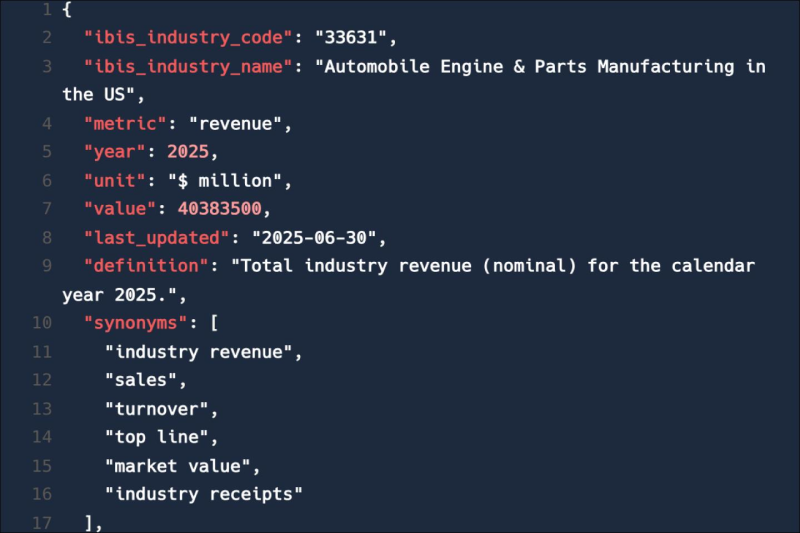
Feed trusted, human-driven industry intelligence straight into your platform.
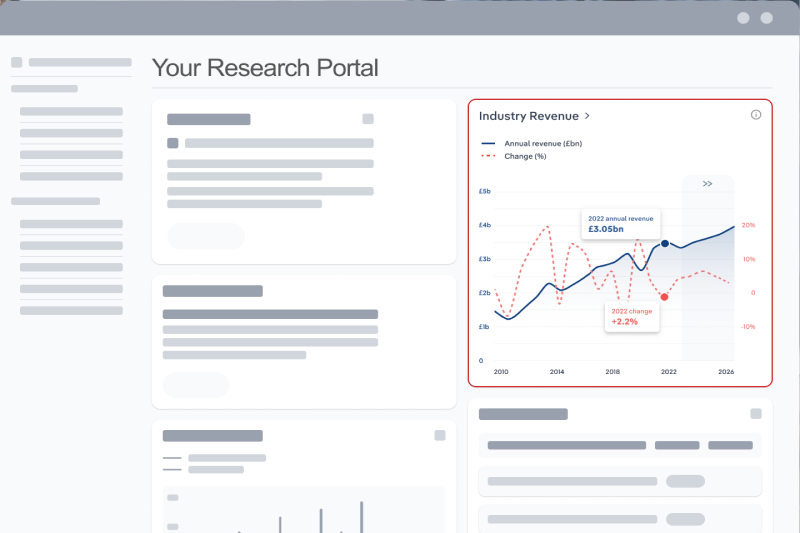
Streamline your workflow with IBISWorld’s intelligence built into your toolkit.
Explore industries with similar markets, supply chains, and economic drivers to gain broader context and insights.
| Industry | Country | Last 5-yr CAGR | Forecast 5-year CAGR | Revenue |
|---|---|---|---|---|
| Nursing Care Facilities in the US |

|
XX% | XX% | $XX |
| Older Adult & Disability Care Services in the US |
|
XX% | XX% | $XX |
| Residential Intellectual & Developmental Disability Facilities in the US |
|
XX% | XX% | $XX |
When the stakes are high, you need intelligence that cuts through the noise—wherever you work.
The federal expenditure on disability benefits in the US in 2026 was $126.42 billion.
The federal expenditure on disability benefits in the US declined by -0.11% in 2026.
IBISWorld’s data and analysis on federal expenditure on disability benefits in the US includes forecasted growth rates over the next five years.