
IBISWorld Platform
Answer any industry question in minutes with our entire database at your fingertips.

IBISWorld forecasts wool production to stabilise at 115.0 kilotonnes in 2025-26. Long-term declines in New Zealand's sheep population limit growth in wool production, particularly as many of New Zealand's sheep are also sold to meat processors instead of being kept for their wool. An ongoing trend has been the way farmers use the land. As profitability has increased for land used for forestry and dairy, many farmers have elected to reduce sheep numbers in favour of these trends, leading to a fall in wool production. Furthermore, drought conditions have compounded this and have contributed to a reduction in sheep flocks through the year ending June 2025, according to Beef + Lamb New Zealand. The exchange rate of the New Zealand dollar to the US dollar has been volatile throughout the current year, adding greater uncertainty to the wool production sector. This is because the United States is a major importer of New Zealand wool.According to Beef + Lamb New Zealand, New Zealand was the third largest wool producer in the world in 2022-23 (latest data available). As of the year ending June 2024 (the latest data available), the number of sheep was 23.6 million, equivalent to 4.5 times the New Zealand population, according to Statistics New Zealand (Tatauranga Aotearoa). However, the total number of sheep in New Zealand has fallen over the period, following a downward trend since the 1980s. That's why domestic wool production has weakened over the past decade. The decrease in the total number of sheep in New Zealand has negatively affected wool production over the past few years.Strong global demand for New Zealand beef and dairy has significantly influenced farmers' production choices, prompting a notable shift from sheep to cattle farming. While land-use change has cut both cattle and sheep numbers, the livestock sector has seen a stronger move away from the sheep farming due to lower product prices and reduced labour inputs. A shift away from wool to meat production due to rising lamb and mutton prices have led many farmers to prioritise sheep for slaughter rather than maintain them for wool, capitalising on higher meat market profitability. That's partly why wool production and sheep production have undergone opposite trajectories, as fewer sheep are retained for wool. The strategic pivot towards meat production and cattle farming affect current dynamics and may impose long-term implications for the wool industry, including supply shortages and potential price fluctuations. Overall, IBISWorld forecasts wool production to fall at an annualised 3.0% over the five years through 2025-26.
Curious about what drives these trends? IBISWorld's analyst coverage on the wool production includes detailled analysis on the current performance, outlook and industries affected.
2002-2033
IBISWorld Industry Reports are available in multiple formats to fit seamlessly into your workflow.

Answer any industry question in minutes with our entire database at your fingertips.
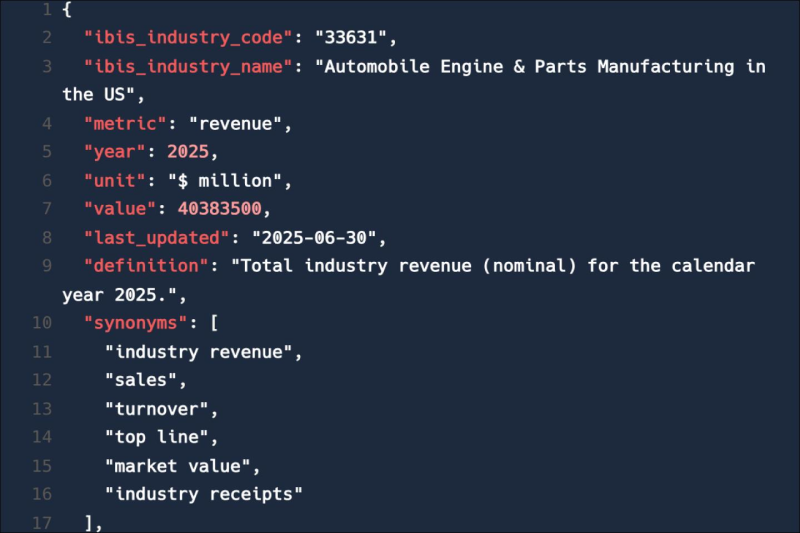
Feed trusted, human-driven industry intelligence straight into your platform.

Streamline your workflow with IBISWorld’s intelligence built into your toolkit.
Explore industries with similar markets, supply chains, and economic drivers to gain broader context and insights.
| Industry | Country | Last 5-yr CAGR | Forecast 5-year CAGR | Revenue |
|---|---|---|---|---|
| Wool Scouring in New Zealand |

|
XX% | XX% | $XX |
| Wool Wholesaling in New Zealand |
|
XX% | XX% | $XX |
| Sheep Farming in New Zealand |
|
XX% | XX% | $XX |
When the stakes are high, you need intelligence that cuts through the noise—wherever you work.
The wool production in New Zealand in 2026 was 115 kilotonne.
The wool production in New Zealand declined by -3.01% in 2026.
IBISWorld’s data and analysis on wool production in New Zealand includes forecasted growth rates over the next five years.