
IBISWorld Platform
Answer any industry question in minutes with our entire database at your fingertips.

IBISWorld forecasts the US$/NZ$ exchange rate to rise by 2.5% during 2026-27, to $0.6019. After falling to the lowest level since 2002-03 during 2025-26, the New Zealand dollar is expected to recover modestly over the year, supported by anticipated broad US dollar weakness and New Zealand's improving domestic macroeconomic outlook. The RBNZ's significant monetary easing cycle ended with the official cash rate (OCR) settled at 2.25%, a level it held at its February and May 2026 reviews, with the May 2026 Monetary Policy Statement noting "we expect to increase the OCR this year". The prospect of a narrowing interest-rate differential, alongside firm prices for New Zealand's key dairy exports and a broadly weaker US dollar, underpins the expected appreciation.In December 2020, the US Federal Reserve extended its temporary currency swap agreements with nine central banks until December 2021 to ease the pressure on demand for USD liquidity. The nine central banks were Australia, Brazil, Denmark, South Korea, Mexico, Norway, New Zealand, Singapore and Sweden. The US Federal Reserve's move to increase the supply of US dollars supported a rise in the US$/NZ$ exchange rate in 2021-22. Furthermore, New Zealand's relative success in containing COVID-19 led to the exchange rate rising over 2020-21 and 2021-22. High prices for New Zealand's key agricultural exports also helped support the currency's appreciation against the US dollar during this period.Since 2021-22, the New Zealand dollar has consistently depreciated against the US dollar. Initially, New Zealand experienced weak GDP growth and entered a shallow recession characterised by persistent inflation and subdued consumer confidence. In comparison, the US dollar strengthened as growing interest rates led to global appreciation, particularly against commodity and risk currencies, including the New Zealand dollar. In 2023-24, the exchange rate fell due to New Zealand's stagnant GDP growth. The trend was exacerbated by increased US bond yields, which attracted global capital towards US assets. Slowed demand from China, which pushed down New Zealand's export prices, and delayed easing signals from the RBNZ further weakened the New Zealand dollar throughout the year. Throughout 2024-25, the OCR fell by 175 basis points across four separate rate cuts, as domestic recession and weak growth forecasts forced the RBNZ to take measures to support the economy. In comparison, the US Federal Reserve shifted guidance to fewer rate cuts, causing the USD to remain resilient and the NZD to tumble near pandemic lows.The exchange rate fell by 1.2% in 2025-26, to $0.5872. Between April 2025 and November 2025, the RBNZ cut the OCR by 150 basis points, before the easing cycle concluded with the rate at 2.25%. In comparison, the US Federal Funds Rate fell by only 25 basis points over the same period. As the OCR trended downwards through the second half of 2025, the widening divergence between the OCR and the US Federal Funds Rate placed pressure on the US$/NZ$ exchange rate downwards. Overall, IBISWorld forecasts the US$/NZ$ exchange rate to fall at a compound annual rate of 2.9% over the five years through 2026-27.
Curious about what drives these trends? IBISWorld's analyst coverage on the us dollars per new zealand dollar includes detailled analysis on the current performance, outlook and industries affected.
1975-2034
This report analyses the exchange rate of the New Zealand dollar (NZ$) in terms of the US dollar (US$). This report shows the average of the monthly exchange rate over each financial year. The data for this report is sourced from the Reserve Bank of New Zealand (Te Putea Matua) and is presented in terms of US dollars per New Zealand dollar.
IBISWorld Industry Reports are available in multiple formats to fit seamlessly into your workflow.

Answer any industry question in minutes with our entire database at your fingertips.
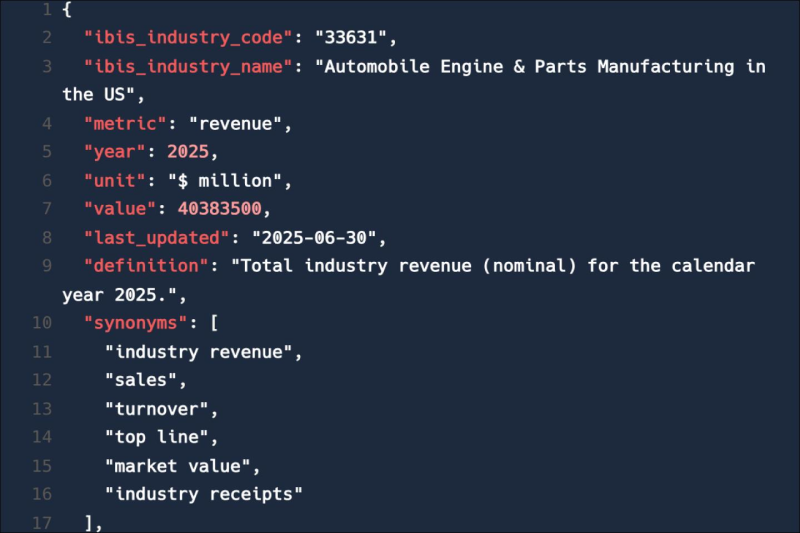
Feed trusted, human-driven industry intelligence straight into your platform.
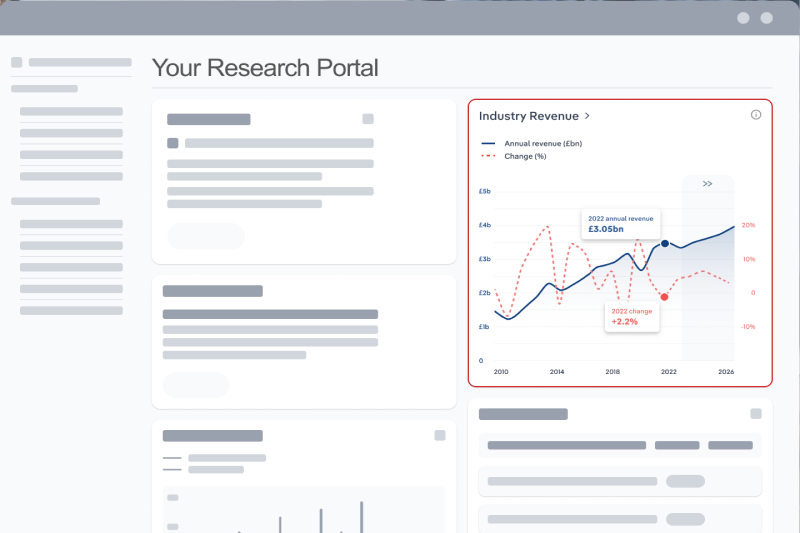
Streamline your workflow with IBISWorld’s intelligence built into your toolkit.
Explore industries with similar markets, supply chains, and economic drivers to gain broader context and insights.
| Industry | Country | Last 5-yr CAGR | Forecast 5-year CAGR | Revenue |
|---|---|---|---|---|
| Fuel Retailing in New Zealand |

|
XX% | XX% | $XX |
| Gold Ore Mining in New Zealand |
|
XX% | XX% | $XX |
| Iron Ore Mining in New Zealand |
|
XX% | XX% | $XX |
| Mining in New Zealand |
|
XX% | XX% | $XX |
| Oil & Gas Extraction in New Zealand |
|
XX% | XX% | $XX |
| Metal & Mineral Wholesaling in New Zealand |
|
XX% | XX% | $XX |
| Coal Mining in New Zealand |
|
XX% | XX% | $XX |
| Mining Support Services in New Zealand |
|
XX% | XX% | $XX |
| Petroleum Product Wholesaling in New Zealand |
|
XX% | XX% | $XX |
When the stakes are high, you need intelligence that cuts through the noise—wherever you work.
The us dollars per new zealand dollar in New Zealand in 2027 was 0.6 $us.
The us dollars per new zealand dollar in New Zealand declined by -2.88% in 2027.
IBISWorld’s data and analysis on us dollars per new zealand dollar in New Zealand includes forecasted growth rates over the next five years.