
IBISWorld Platform
Answer any industry question in minutes with our entire database at your fingertips.

IBISWorld forecasts the total visits to a GP to increase by 2.4% in 2026-27, reaching 13.0 million visits. Both an aggregate growth in New Zealand's population and an increase in the average age of its constituents will facilitate growth in GP visits over the year, as the demand for health care support will climb as the demographic of New Zealand's population ages. Notably, election promises made by the Labour Party have outlined a potential policy implementation of 3 free visits per year, dependent on their success in the 2026 Election. Should this policy change become legislated in 2026-27, GP visits are likely to face increased demand as some cost barriers to patrons are reduced.Over the long run, growth in New Zealand's population, particularly the rising proportion of older New Zealanders, has been the main underlying driver of increases in annual GP visits. Growth in the population is a key driver for GP services, as it results in a greater pool of patients requiring GP services throughout a given year. Additionally, older individuals are more susceptible to chronic illness and disease and are subsequently more likely to visit GPs.While the overarching trend over the past two decades has largely been positive, GP visits have fallen in three of the past seven years, which marks a stark change compared to the consistent positive annual growth displayed between 2005-06 and 2019-20, where GP visits peaked at 14.2 million before the onset of the pandemic. Short-term declines in GP visits were driven by a combination of factors, including the effects of the pandemic, changing health behaviours and access issues. GP visits fell by 12.0% in 2020-21, as many GPs operated at a lower capacity. Lockdowns across the country also made GP visits less frequent, as transmission of non-COVID viruses also trended downwards. Increased public health concerns following the pandemic led to many individuals delaying nonessential visits to their local GP. However, the gradual recovery in GP visits between 2021-22 and 2023-24 reflects the normal return of social and economic activity. In particular, GP visits among socially active 25- to 44-year-olds increased significantly in 2023-24, increasing by over 400,000 throughout the year. This trend was a significant driving factor behind a 6.6% rise in GP visits in 2023-24.In 2024-25, visits to a GP declined by 3.8%, based on data from the NZ Health Survey 2024-25. In particular, visits among people aged over 55 declined significantly compared to 2023-24. Survey respondents indicated that GP wait times were the largest driver of unmet needs for a GP, with 25.5% of adults marking this as a barrier. Notably, this figure indicates a 70 basis point increase on the same metric from the 2023-24 survey and is up almost 15 percentage points on 2021-22 benchmarks (11.6%). Costs were also flagged as a significant barrier for potential GP patrons, with 14.9% of adults forgoing GP visits due to fee-related considerations. This barrier is particularly prevalent among traditionally money-poor 25- to 34-year-olds, of whom 23.5% said it was a significant issue.The basic fee to visit a GP in New Zealand can vary between $45 and $100. Factors such as the clinic's geographic location and whether it is operating after hours can affect the price of a consultation. Nonetheless, acute labour shortages in many regions of New Zealand and limited funding have placed upwards pressure on costs over recent years. Evidence of this trend was shown in the Annual statement of reasonable GP fee increases, with maximum reasonable increases to GP patient co-payments set at 4.92% in 2023-24 and 7.76% in 2024-25, both which sat far higher than the 2.13% average over the prior 10 years, dating back to 2013-14. In 2025-26, reasonable fee increases were set at 3.18%, with this lower fee growth expected to support greater demand for GP visits throughout the year. Overall, IBISWorld forecasts the total number of visits to a GP to grow at a compound annual rate of 0.8% over the five years through 2026-27.
Curious about what drives these trends? IBISWorld's analyst coverage on the total visits to a general practitioner includes detailled analysis on the current performance, outlook and industries affected.
2006-2034
This report analyses the number of visits to general practitioners (GP) in New Zealand. The data used in this report is the total number of GP services performed in a year (July-June) and is sourced from the Ministry of Health (Manatu Hauora).
IBISWorld Industry Reports are available in multiple formats to fit seamlessly into your workflow.

Answer any industry question in minutes with our entire database at your fingertips.

Feed trusted, human-driven industry intelligence straight into your platform.
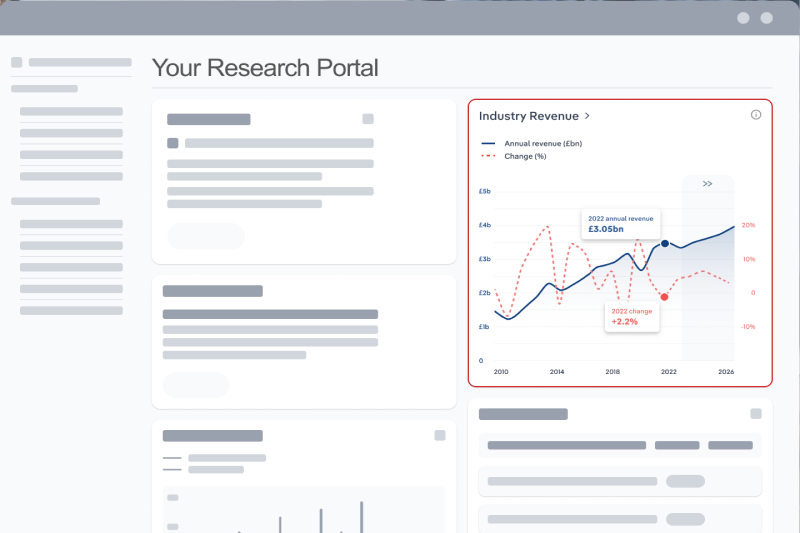
Streamline your workflow with IBISWorld’s intelligence built into your toolkit.
Explore industries with similar markets, supply chains, and economic drivers to gain broader context and insights.
| Industry | Country | Last 5-yr CAGR | Forecast 5-year CAGR | Revenue |
|---|---|---|---|---|
| General Practice Medical Services in New Zealand |

|
XX% | XX% | $XX |
| Pathology & Diagnostic Imaging Services in New Zealand |
|
XX% | XX% | $XX |
| Specialist Medical Services in New Zealand |
|
XX% | XX% | $XX |
| Hospitals in New Zealand |
|
XX% | XX% | $XX |
When the stakes are high, you need intelligence that cuts through the noise—wherever you work.
The total visits to a general practitioner in New Zealand in 2027 was 13 million.
The total visits to a general practitioner in New Zealand grew by 0.79% in 2027.
IBISWorld’s data and analysis on total visits to a general practitioner in New Zealand includes forecasted growth rates over the next five years.