
IBISWorld Platform
Answer any industry question in minutes with our entire database at your fingertips.

IBISWorld forecasts the number of people working to decrease by 0.3% in 2025-26, to 2.88 million employees. This expected decline reflects the impact of a stagnation in the size of the total labour force, set to remain stable at 3.04 million people in 2025-26. Weak economic conditions, including a 1.0% decline in GDP in the June 2025 quarter, have led to a continued rise in the unemployment rate to a decade-high level of 5.4% in the December 2025 quarter. These trends have also placed downwards pressure on the total number of employed persons in the labour force.In general, growth in the number of total employees is closely correlated with overall population growth. In particular, positive net migration supports employment, as new residents tend to boost aggregate consumer demand, which subsequently creates labour demand. Net migration was negative across 2020-21, causing annual employment growth to drop below 1.0% for the first time since 2012-13. Job creation in the economy swiftly bounced back across 2021-22 and 2022-23, as real GDP growth rates were strong following high levels of household discretionary income that stimulated spending in the economy. Low interest rates in 2021-22 also allowed businesses to capitalise on cheaper credit and invest in labour. New Zealand experienced high labour shortages in 2022-23, with the job vacancy index peaking in Q2 2022-23. However, net migration returned to positive territory in the second half of 2022-23 and reached record levels during 2023-24. This rebound in migration statistics helped bump up the vacancy filling rate in 2023-24, causing a strong jump in the number of employed people in New Zealand across the year.Despite a more than a decade-long winning streak in total employment growth, total employment in the New Zealand economy declined in 2024-25. Beginning in August 2024, the RBNZ (Te Putea Matua) sought to implement expansionary monetary policy to stimulate the economy, reducing the Official Cash Rate (OCR) from 5.5% to 3.75% by the end of the financial year in March 2025. However, real GDP fell by 0.7% over 2024-25, limiting labour demand and pushing the unemployment rate up by 70 basis points to 5.1% by the end of the year. A simultaneous reduction in net migration, caused by a tightening of migrant visa requirements as pandemic-related leniencies were scaled back, limited labour supply growth, compounding the impact of poor economic conditions on the labour market.Despite continued cuts to the OCR in the first half of 2025-26, the economic impacts of the RBNZ's monetary policy decisions have lagged as the unemployment rate has continued to trend upwards. As of the December 2025 quarter, total employees in the labour force remain 2.0% below the all-time high mark reached in December 2023. Overall, IBISWorld forecasts the total number of employees in the labour force to increase at a compound annual rate of 1.1% over the five years through 2025-26.
Curious about what drives these trends? IBISWorld's analyst coverage on the total employees in the labour force includes detailled analysis on the current performance, outlook and industries affected.
1987-2033
This report analyses the total number of employees in New Zealand. This includes all men and women aged 15 years and over working full-time or part-time (less than 30 hours per week), which constitutes New Zealand's workforce. The data is calculated as an average of quarterly statistics sourced from Statistics New Zealand (Tatauranga Aotearoa). The data is seasonally adjusted and presented in millions of people per financial year.
IBISWorld Industry Reports are available in multiple formats to fit seamlessly into your workflow.

Answer any industry question in minutes with our entire database at your fingertips.
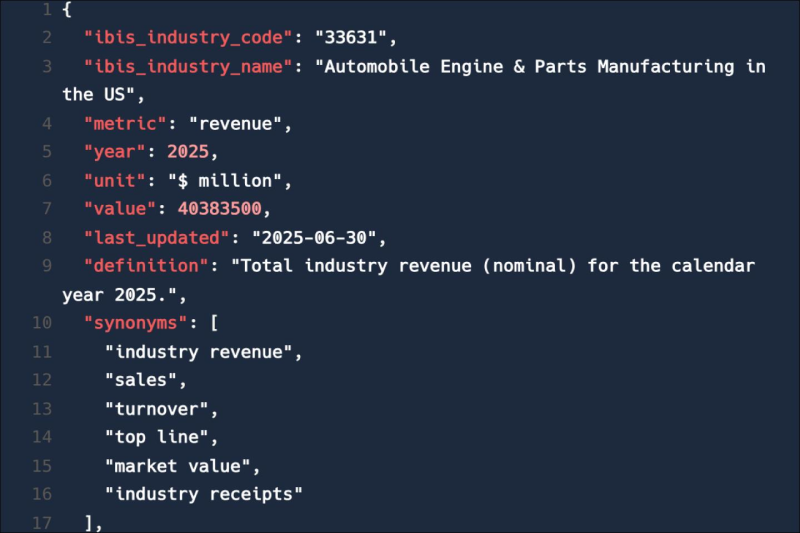
Feed trusted, human-driven industry intelligence straight into your platform.
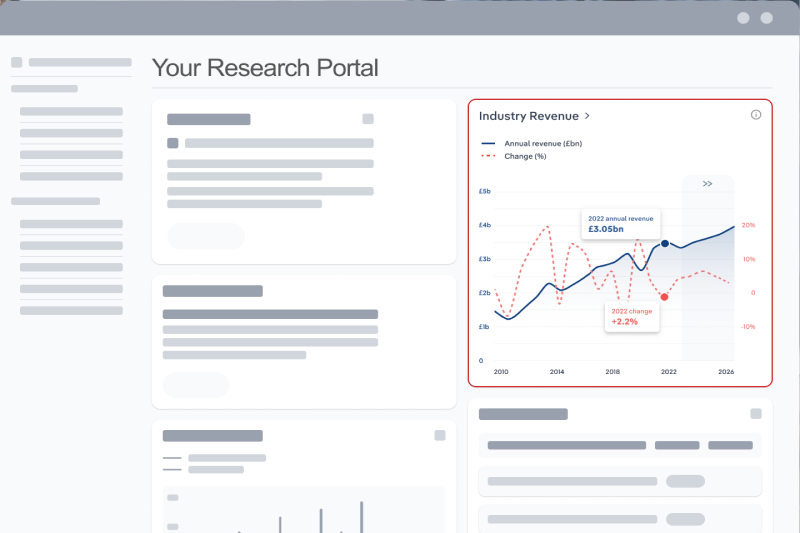
Streamline your workflow with IBISWorld’s intelligence built into your toolkit.
Explore industries with similar markets, supply chains, and economic drivers to gain broader context and insights.
| Industry | Country | Last 5-yr CAGR | Forecast 5-year CAGR | Revenue |
|---|---|---|---|---|
| Superannuation Funds in New Zealand |

|
XX% | XX% | $XX |
| Bus Transport in New Zealand |
|
XX% | XX% | $XX |
| Office Administration and Document Preparation Services in New Zealand |
|
XX% | XX% | $XX |
When the stakes are high, you need intelligence that cuts through the noise—wherever you work.
The total employees in the labour force in New Zealand in 2026 was 2.88 millions of people.
The total employees in the labour force in New Zealand grew by 1.15% in 2026.
IBISWorld’s data and analysis on total employees in the labour force in New Zealand includes forecasted growth rates over the next five years.