
IBISWorld Platform
Answer any industry question in minutes with our entire database at your fingertips.

IBISWorld projects that per capita seafood consumption will rise 0.1% during 2026-27, climbing to 27.65 kilograms per capita. Health consciousness is expected to rise slightly during the year, encouraging some consumers to increase their demand for seafood, contributing to the overall rise in consumption. The volume of seafood produced by the Fishing and Aquaculture industry is expected to rise during the year, supporting increasing domestic consumption. The positive correlation between rising seafood production volumes and projected per capita seafood consumption underscores the Fishing and Aquaculture industry's robust response to growing market demand. Even so, the Quota Management System (QMS) caps catch volumes for specific fish and seafood species, hampering the industry's ability to significantly boost seafood production volumes.Seafood consumption has inched upwards over the past five years. This is attributable to several factors, including an increase in health consciousness among domestic consumers. Fish and other seafood are generally considered a healthier option than other meat products, like red meat, as they are a leaner source of protein and other nutrients, like omega-3 fatty acids. The rising focus of the population on improving their health has lifted demand for seafood over the period. While demand for seafood has expanded, a large portion of New Zealand seafood is exported, limiting domestic supplies and constraining growth in the amount of seafood eaten per capita. Sustainability concerns have also restricted seafood consumption growth, with strict quotas in place for wild-catch fishing operations, meaning that domestic supplies cannot easily increase to satisfy both local and overseas consumers. While the more sustainable aquaculture sector is growing, it still represents a small share of total seafood production. Overall, IBISWorld forecasts per capita seafood consumption to rise at an annualised 1.1% over the five years through 2026-27.
Curious about what drives these trends? IBISWorld's analyst coverage on the seafood consumption includes detailled analysis on the current performance, outlook and industries affected.
1992-2034
This report analyses apparent per capita seafood consumption in New Zealand, including fish, crustaceans and molluscs. The data has been sourced from the Agricultural Outlook report, which the Organisation jointly prepared for Economic Co-operation and Development (OECD) and the United Nations Food and Agriculture Organization (FAO). The original data is measured in kilograms per capita and presented in calendar years. However, this report converts the data into estimated financial year figures.
IBISWorld Industry Reports are available in multiple formats to fit seamlessly into your workflow.

Answer any industry question in minutes with our entire database at your fingertips.
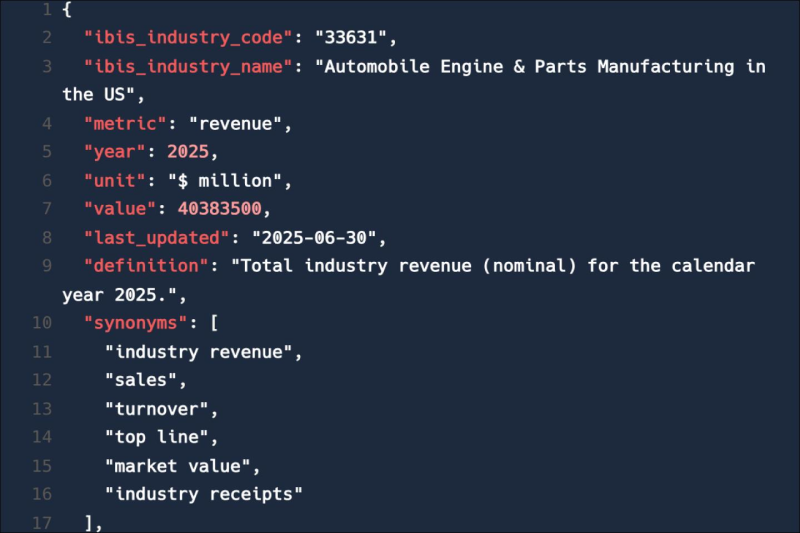
Feed trusted, human-driven industry intelligence straight into your platform.
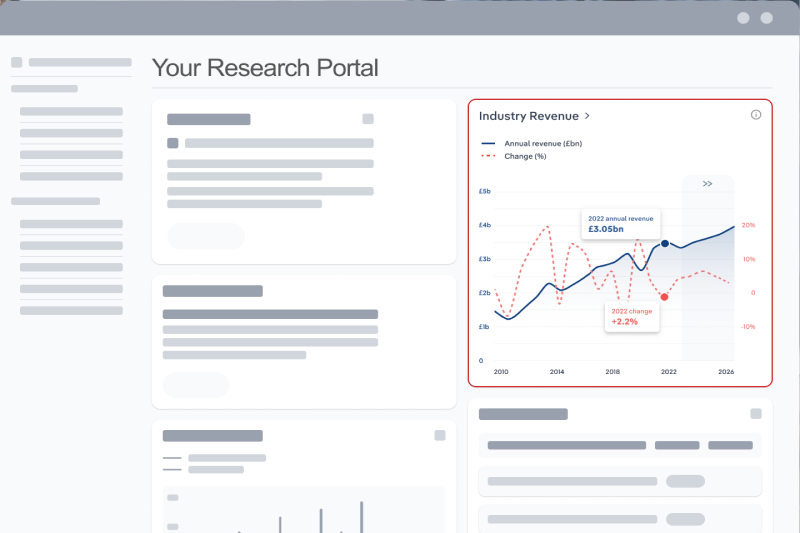
Streamline your workflow with IBISWorld’s intelligence built into your toolkit.
Explore industries with similar markets, supply chains, and economic drivers to gain broader context and insights.
| Industry | Country | Last 5-yr CAGR | Forecast 5-year CAGR | Revenue |
|---|---|---|---|---|
| Fishing & Aquaculture in New Zealand |

|
XX% | XX% | $XX |
| Seafood Processing in New Zealand |
|
XX% | XX% | $XX |
When the stakes are high, you need intelligence that cuts through the noise—wherever you work.
The seafood consumption in New Zealand in 2027 was 27.65 kilograms per capita.
The seafood consumption in New Zealand grew by 1.1% in 2027.
IBISWorld’s data and analysis on seafood consumption in New Zealand includes forecasted growth rates over the next five years.