
IBISWorld Platform
Answer any industry question in minutes with our entire database at your fingertips.

IBISWorld forecasts the road freight service price to fall by 4.7% in 2025-26, to 145.2 index points. The decline reflects easing retail diesel costs, as crude oil benchmarks have stabilised and global refining capacity has improved. Domestic inflationary pressures have also moderated, softening non-fuel input costs for freight operators. Subdued household spending and weaker goods trade volumes have also reduced freight activity, curbing operators' ability to maintain elevated charges. Despite this fall, structural expenses such as wages and compliance requirements continue to keep prices well above pandemic levels.Demand for road freight remains largely price inelastic, with operators facing minimal competition from substitute modes. New Zealand's rail network operates near full capacity, while coastal shipping accounts for only a small proportion of domestic cargo movements. According to the Ministry of Transport, around 93% of New Zealand's domestic freight tonnage is carried by road, leaving limited scope for substitution and reinforcing operator pricing power. This enabled price to surge during the inflationary peaks of 2021-22 and 2022-23, when the service price index rose by 8.9% and 14.9% respectively. Those increases reflected sharp rises in retail diesel prices following the Russia-Ukraine conflict and pandemic-related supply chain disruptions. Over the five years through 2025-26, the road freight service price index is expected to grow at a compound annual rate of 4.0%.A 2025 workforce report by Transporting New Zealand revealed that over 10% of drivers are aged 65 or older, while nearly half of operators expect up to a quarter of their drivers to leave within five years. With almost a quarter of drivers overseas-born, recruitment and retention challenges are adding sustained wage pressures. Operators are grappling with rising business costs and deteriorating road infrastructure, which weigh on productivity and amplify operating expenses. These conditions have limited the extent of price relief in 2025-26, even as fuel costs and inflationary pressures have eased.
Curious about what drives these trends? IBISWorld's analyst coverage on the road freight service price includes detailled analysis on the current performance, outlook and industries affected.
1995-2033
This report analyses the service price of general road freight. The data for this report is sourced from Statistics New Zealand's (Tatauranga Aotearoa) Producer Price Index (PPI) for Road Transport. The overall PPI measures the price of all goods and services received by producers. The road transport PPI is a component of the overall PPI and measures the weighted average price of road transport. The base year of the index is 2009-10.
IBISWorld Industry Reports are available in multiple formats to fit seamlessly into your workflow.

Answer any industry question in minutes with our entire database at your fingertips.
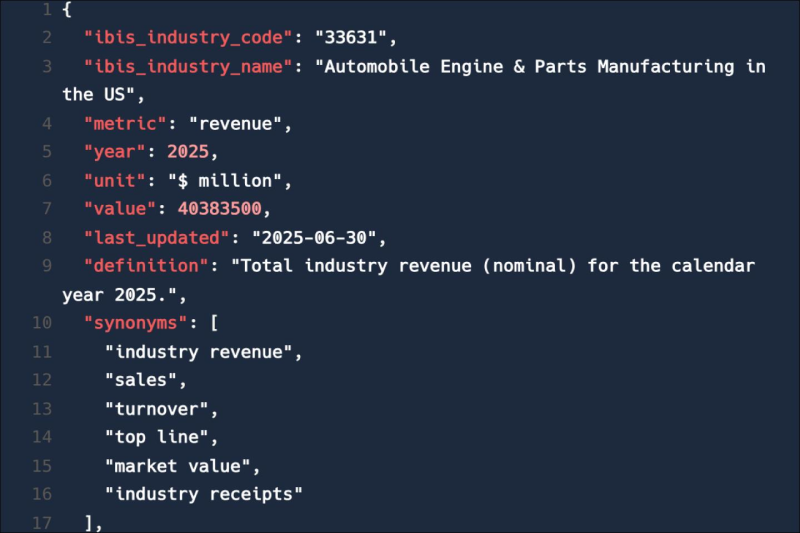
Feed trusted, human-driven industry intelligence straight into your platform.
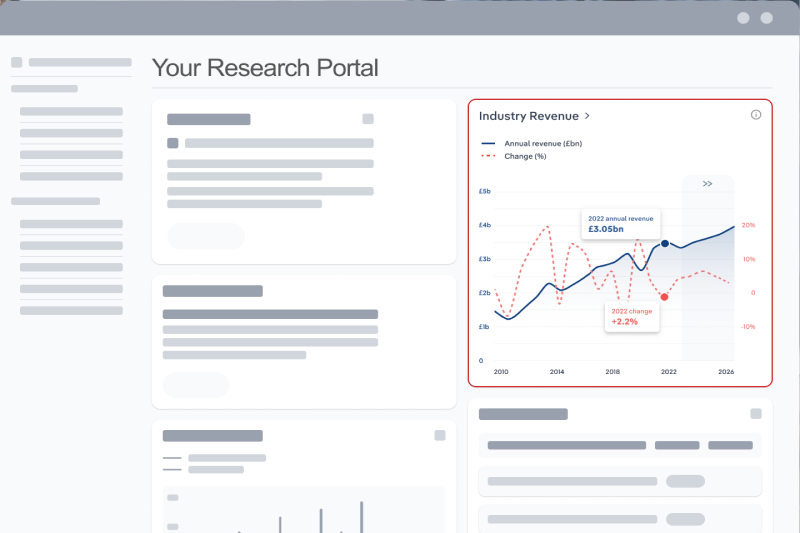
Streamline your workflow with IBISWorld’s intelligence built into your toolkit.
Explore industries with similar markets, supply chains, and economic drivers to gain broader context and insights.
| Industry | Country | Last 5-yr CAGR | Forecast 5-year CAGR | Revenue |
|---|---|---|---|---|
| Rail Transport in New Zealand |

|
XX% | XX% | $XX |
| Road Freight Transport in New Zealand |
|
XX% | XX% | $XX |
| Gravel and Sand Quarrying in New Zealand |
|
XX% | XX% | $XX |
When the stakes are high, you need intelligence that cuts through the noise—wherever you work.
The road freight service price in New Zealand in 2026 was 145.2 index points.
The road freight service price in New Zealand grew by 4.03% in 2026.
IBISWorld’s data and analysis on road freight service price in New Zealand includes forecasted growth rates over the next five years.