
IBISWorld Platform
Answer any industry question in minutes with our entire database at your fingertips.

IBISWorld forecasts the average retail price of diesel to fall by 1.9% in 2025-26, to 191.5 cents per litre. Global diesel prices remain closely tied to crude oil benchmarks and are, therefore, exposed to shifts in global supply and demand for crude oil. The conflict between the United States and Iran broke out in early 2026, causing Brent crude oil prices to surge. The conflict has limited shipping in the Strait of Hormuz, causing supply shortages in international markets, including New Zealand. Two weeks into the conflict, in March 2026, retail diesel prices had already risen over 70 cents per litre. They're on track to rise further by the end of the month. Despite this, an overall loosening in world oil markets (increasing supply and softer industrial demand) has weighed on prices over much of the year. Institutions like the World Bank pointed to a "lower but volatile" oil price path, where supply growth and softer industrial demand capped prices even as geopolitical risk premiums persisted. With Treasury updates indicating slowing economic growth and reduced fuel consumption, particularly in freight, average annual retail diesel prices have been trending downwards.Various factors influence retail fuel prices, including crude oil production levels, government policy both domestically and abroad and downstream demand. The number of vehicles and the total amount of distance covered, particularly by freight transport, also determine demand. The world price of crude oil is priced in US dollars per barrel. Consequently, the domestic retail price of diesel is also influenced by changes in the New Zealand dollar's value relative to the US dollar.Retail diesel prices have fluctuated over the past five years, but have increased overall to rising global energy costs and robust domestic transportation demand. The era has been marked by dramatic price spikes due to worldwide supply constraints and geopolitical tensions. Major oil-exporting countries' coordinated production decisions and supply chain disruptions have significantly driven global crude oil prices. Large producer agreements and the Russia-Ukraine conflict have driven up crude benchmarks, affecting New Zealand fuel prices. Consequently, crude oil prices have soared since the start of the Russia-Ukraine conflict in February 2022, reaching a record high in September 2022. The latest Israel-Hamas war has also added to volatility in world oil prices, with the United States-Iran conflict in 2026 keeping retail diesel prices elevated. Additionally, New Zealand has seen a rise in the number of licensed motor vehicles over the past five years, boosting fuel demand. Overall, IBISWorld forecasts the average retail price of diesel to grow at a compound annual rate of 10.2% over the five years through 2025-26.
Curious about what drives these trends? IBISWorld's analyst coverage on the retail diesel prices includes detailled analysis on the current performance, outlook and industries affected.
1975-2033
This report analyses the average retail price of diesel over each financial year. Data for this report is sourced from the Ministry of Business, Innovation and Employment (Hikini Whakatutuki). The retail price of diesel is measured in cents per litre.
IBISWorld Industry Reports are available in multiple formats to fit seamlessly into your workflow.

Answer any industry question in minutes with our entire database at your fingertips.
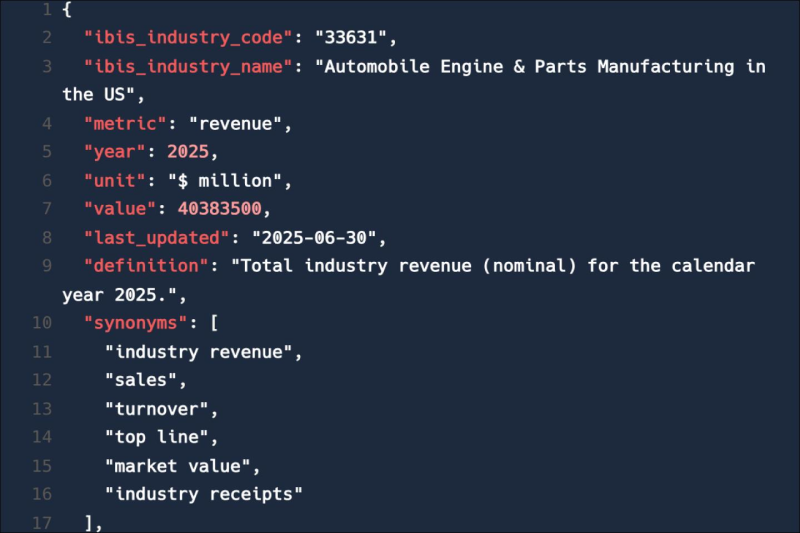
Feed trusted, human-driven industry intelligence straight into your platform.
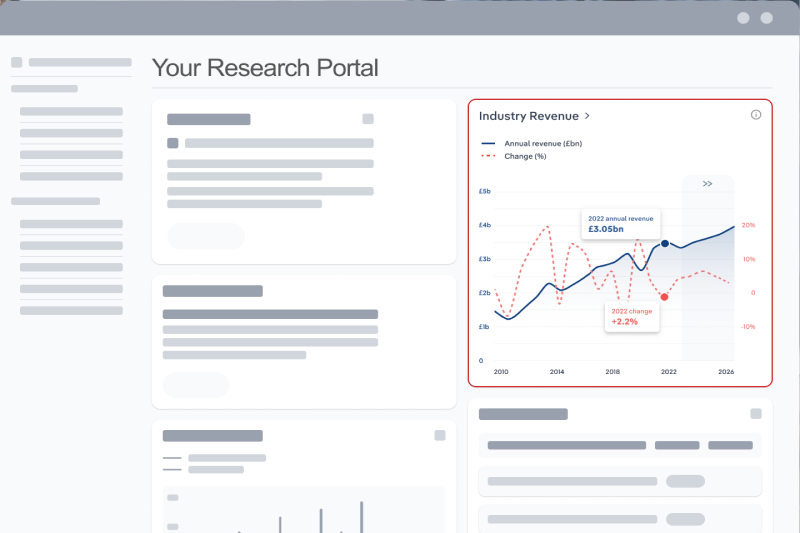
Streamline your workflow with IBISWorld’s intelligence built into your toolkit.
Explore industries with similar markets, supply chains, and economic drivers to gain broader context and insights.
When the stakes are high, you need intelligence that cuts through the noise—wherever you work.
The retail diesel prices in New Zealand in 2026 was 191.5 cents per litre.
The retail diesel prices in New Zealand grew by 10.15% in 2026.
IBISWorld’s data and analysis on retail diesel prices in New Zealand includes forecasted growth rates over the next five years.