
IBISWorld Platform
Answer any industry question in minutes with our entire database at your fingertips.

IBISWorld forecasts that residential housing loan rates will weaken by 3.03 percentage points in 2025-26, averaging 5.08%. To facilitate greater spending from households and support the economy during the pandemic, the RBNZ temporarily removed loan-to-value ratio (LVR) restrictions in May 2020. This measure was reinstated in March the following year and further tightened in May and November 2021 as the housing market and new mortgage lending rebounded. From October 2021, the RBNZ began gradually raising the Official Cash Rate (OCR) in response to rising global and domestic inflation. The Bank continued to raise the OCR over the following three years, resulting in higher residential housing loan rates during that period. Although banks can set mortgage rates independently of the OCR, changes in the OCR are a significant influence on residential housing loans, with the latter following the former in rising and falling.The implementation of a new macro-prudential tool, the Debt-to-Income (DTI) ratio, on July 1 2024, fundamentally changed the nation's lending environment by capping borrowing capacity to six times the gross income for most owner-operators. In August 2024, the RBNZ decided to cut the OCR, the first time since March 2020. This shift in policy marked the start of an aggressive easing cycle that persisted throughout the 2025 calendar year, dropping it to 2.25% by November 2025. Lending was further streamlined over this period through the rollback of prescriptive affordability regulations as prescribed by the Credit Contracts and Consumer Finance Act 2023.In recent years, LVR restrictions have been gradually loosened, resulting in further reduced residential housing loan rates compared to those in 2022-23 and 2023-24. Most notably, effective December 1, 2025, the RBNZ raised the 'speed limit' for high-LVR owner-occupiers to 25%, allowing more low-deposit borrowers to enter the market. IBISWorld estimates the residential housing loan rates will have risen at an annualised 0.1 percentage points over the five years through the end of 2025-26.
Curious about what drives these trends? IBISWorld's analyst coverage on the residential housing loan rates includes detailled analysis on the current performance, outlook and industries affected.
1965-2033
This report analyses the average standard residential mortgage interest rates from registered banks for new borrowers, excluding special rates. The data is collected monthly and represents the average of the standard, advertised and offered interest rates. Actual interest rates on loans can vary based on the loan-to-value ratio and the borrower's ability to service the loan. The Reserve Bank of New Zealand (Te Putea Matua) (RBNZ) is the source for this report and its data is presented as the average interest rate for each financial year.
IBISWorld Industry Reports are available in multiple formats to fit seamlessly into your workflow.

Answer any industry question in minutes with our entire database at your fingertips.
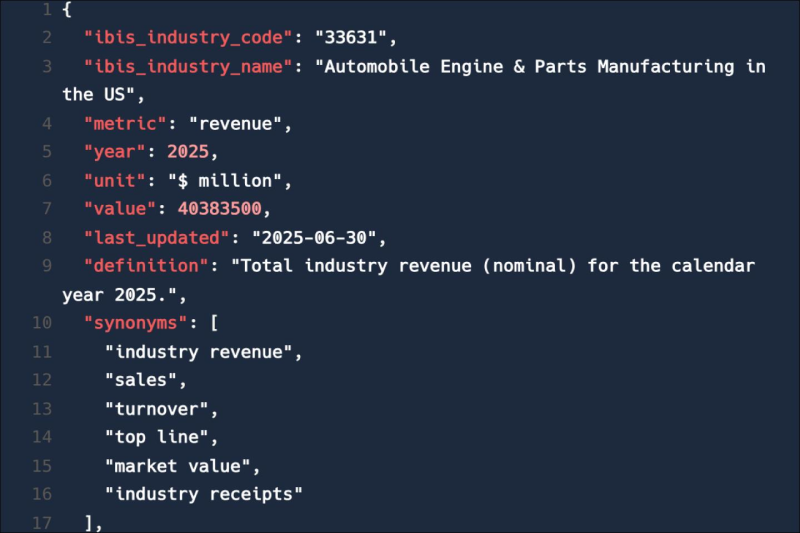
Feed trusted, human-driven industry intelligence straight into your platform.
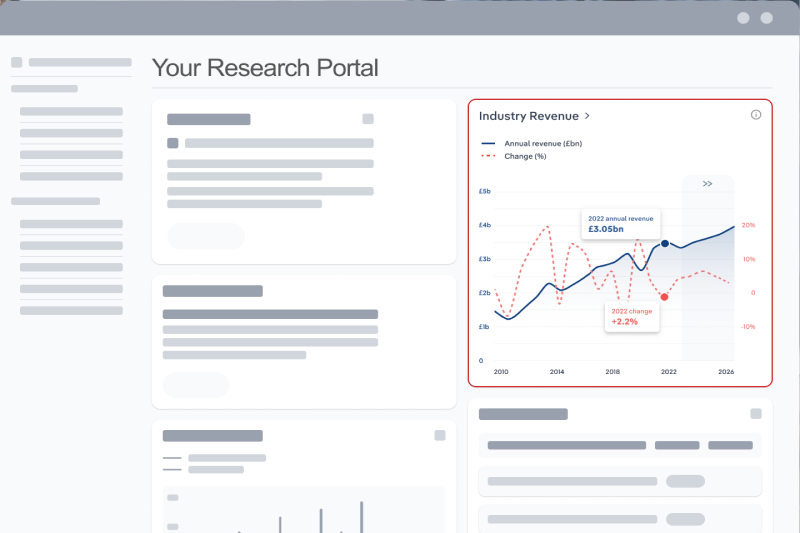
Streamline your workflow with IBISWorld’s intelligence built into your toolkit.
Explore industries with similar markets, supply chains, and economic drivers to gain broader context and insights.
| Industry | Country | Last 5-yr CAGR | Forecast 5-year CAGR | Revenue |
|---|---|---|---|---|
| Financial Asset Broking Services in New Zealand |

|
XX% | XX% | $XX |
| Banking in New Zealand |
|
XX% | XX% | $XX |
| House Construction in New Zealand |
|
XX% | XX% | $XX |
| Non-Banks and Other Financial Institutions in New Zealand |
|
XX% | XX% | $XX |
| Multi-Unit Apartment and Townhouse Construction in New Zealand |
|
XX% | XX% | $XX |
| Plastering and Ceiling Services in New Zealand |
|
XX% | XX% | $XX |
| Real Estate Services in New Zealand |
|
XX% | XX% | $XX |
When the stakes are high, you need intelligence that cuts through the noise—wherever you work.
The residential housing loan rates in New Zealand in 2026 was 5.08 percentage.
The residential housing loan rates in New Zealand grew by 0.1% in 2026.
IBISWorld’s data and analysis on residential housing loan rates in New Zealand includes forecasted growth rates over the next five years.