
IBISWorld Platform
Answer any industry question in minutes with our entire database at your fingertips.

Public funding for primary and secondary education is expected to total $10.43 billion in 2025-26, a 4.8% boost from 2024-25. In recent years, the Central Government has undertaken significant reforms to reshape New Zealand's education system. Changes to the national curriculum, adjustments to the school lunch program and the continued rollout of charter schools have required substantial investment to support schools through this transition. As part of the 2025 Budget, $2.5 billion over four years was committed to improving student achievement and attendance, with a strong emphasis on learning support. This includes more than $720 million in additional learning support funding, representing one of the most significant investments in this area in decades. The package provides $192 million over three years to fund learning support coordinators in an additional 1,250 primary schools, $122 million to meet increased demand for the Ongoing Resourcing Scheme (ORS) for students with the highest needs and $90 million to build 25 new satellite classrooms for specialist schools, alongside further support for teacher aides and early childhood intervention initiatives.The Central Government has charged ahead with several structural changes to public education. In the 2025 academic year, primary schools began implementing a new English and mathematics curriculum for Years 0-6 students. The reforms emphasise structured literacy and a more intensive mathematics framework to address ongoing concerns about student underperformance. To support these changes, primary school funding increased from around $4.6 billion in 2024 to $4.8 billion in 2025. However, increased investment in some areas has been accompanied by reductions in others. Funding for the Ka Ora, Ka Ako Healthy School Lunches program fell from $285 million to $246 million in 2025. At the same time, from 28 January 2026, the Government officially disestablished the Kahui Ako (Communities of Learning) program, removing ongoing staffing and resourcing. Kahui Ako groups were clusters of education and training providers that supported approximately 4,000 teachers to lead collaborative improvements across schools. Despite this change, there is a notable emphasis on other professional development initiatives.Nine new charter schools opened for term 1 of 2026, with one other set to open on March 2nd 2026, bringing the total to 17 in 2025-26, reflecting the Government's continued expansion of alternative schooling options. Additional initiatives include constructing new classrooms, strengthening early childhood education services, upgrading digital infrastructure and expanding structured literacy programs across state primary schools. These measures aim to lift educational standards, modernise school facilities and improve support for students and teachers nationwide.Schooling in New Zealand is compulsory for children aged 6 to 16. In 2025, approximately 856,412 students were enrolled in primary, secondary, composite and special schools. The Ministry of Education (Te Tahuhu o Te Matauranga) allocates annual operational funding based on factors like base funding, per-student entitlements and capital works requirements. Population growth has contributed to rising enrolments, which, in turn, have driven increased public investment in education over the past five years. Because schooling is compulsory, student numbers and, therefore, funding requirements tend to grow steadily over the long term. Overall, IBISWorld forecasts public funding for primary and secondary education to climb at an annualised rate of 4.9% over the five years to 2025-26.
Curious about what drives these trends? IBISWorld's analyst coverage on the public funding for primary and secondary education includes detailled analysis on the current performance, outlook and industries affected.
2004-2033
This report analyses government funding for primary and secondary school education. This includes funding from the Central Government (Te Kawanatanga o Aotearoa) and local governments for state, state-integrated, Maori-medium (Kura kaupapa Maori), independent schools and charter schools (Kura Hourua). The data for this report is sourced from The Treasury (Te Tai Ohanga) and is measured in billions of current dollars over financial years.
IBISWorld Industry Reports are available in multiple formats to fit seamlessly into your workflow.

Answer any industry question in minutes with our entire database at your fingertips.
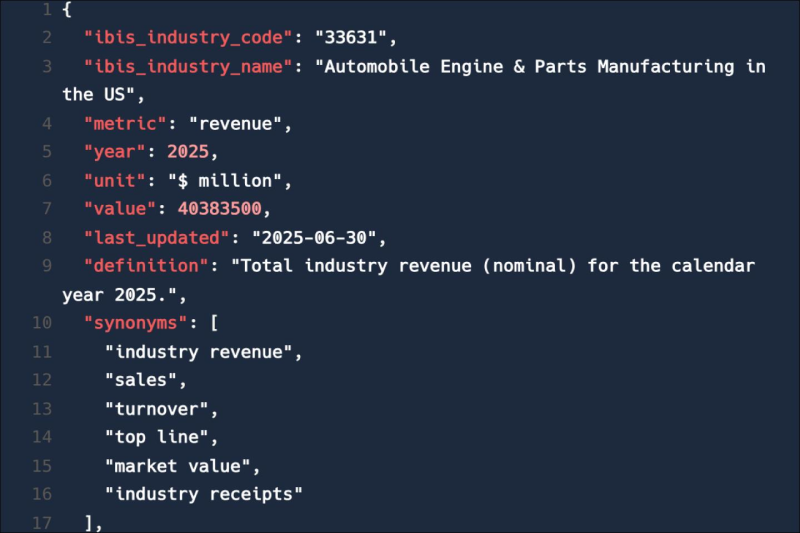
Feed trusted, human-driven industry intelligence straight into your platform.
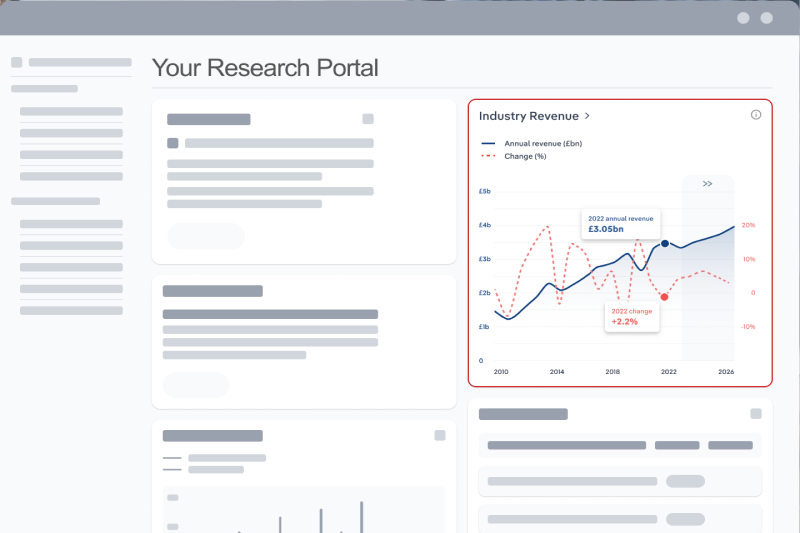
Streamline your workflow with IBISWorld’s intelligence built into your toolkit.
Explore industries with similar markets, supply chains, and economic drivers to gain broader context and insights.
| Industry | Country | Last 5-yr CAGR | Forecast 5-year CAGR | Revenue |
|---|---|---|---|---|
| School Education in New Zealand |

|
XX% | XX% | $XX |
| Institutional Building Construction in New Zealand |
|
XX% | XX% | $XX |
When the stakes are high, you need intelligence that cuts through the noise—wherever you work.
The public funding for primary and secondary education in New Zealand in 2026 was $10.43 billion.
The public funding for primary and secondary education in New Zealand grew by 4.85% in 2026.
IBISWorld’s data and analysis on public funding for primary and secondary education in New Zealand includes forecasted growth rates over the next five years.