
IBISWorld Platform
Answer any industry question in minutes with our entire database at your fingertips.

IBISWorld forecasts the population aged 14 and younger to rise by 0.1% during 2025-26, to total 974,000 people. This growth is expected to primarily result from high rate of migration during the year. Many workers and migrants that emigrate to New Zealand have families which include children under 14 years of age, who are typically also granted visas. In recent years, the New Zealand Government (Te Kawanatanga o Aotearoa) has eased migration rules in an attempt to lure skilled migrants to fill gaps in the labour market. The number of births is also forecast to rise during the year, boosting the population aged 14 and younger during the year.The New Zealand Government's COVID-19 border restrictions led to an unprecedented collapse in net migration in 2020-21 and 2021-22. This led to a decline in the population aged 14 and younger. Moreover, over the longer term, the birth rate is declining, while the population in general is rising. This means that the population aged 14 and younger has shrunk as a share of the total New Zealand population. This population segment is estimated to represent 18.0% of the New Zealand population in 2025-26, down from 19.0% in 2020-21. This trend is also a product of an ageing population, and expanding life expectancy in New Zealand. However, the population aged 14 and younger inched down in 2024-25, with significant declines in the number of two-year-olds and 11-year-olds. Overall, IBISWorld forecasts the New Zealand population aged 14 and younger to grow at a compound annual rate of 0.1% over the five years through 2025-26.
Curious about what drives these trends? IBISWorld's analyst coverage on the population aged 14 and younger includes detailled analysis on the current performance, outlook and industries affected.
1991-2033
The report analyses the estimated resident population of New Zealand aged 14 and younger. The estimated resident population refers to all the people who usually live in New Zealand on a given date. The data from this report is sourced from Statistics New Zealand (Tatauranga Aotearoa) and is measured in people residing in New Zealand at the end of each financial year.
IBISWorld Industry Reports are available in multiple formats to fit seamlessly into your workflow.

Answer any industry question in minutes with our entire database at your fingertips.

Feed trusted, human-driven industry intelligence straight into your platform.
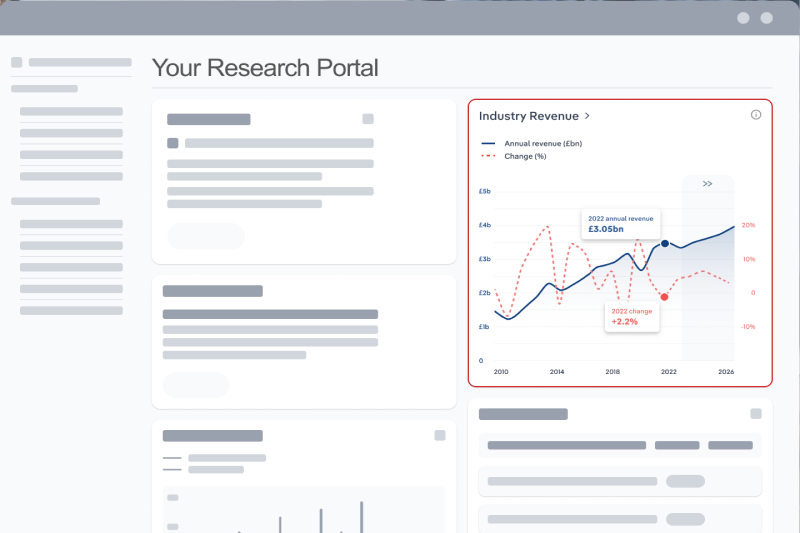
Streamline your workflow with IBISWorld’s intelligence built into your toolkit.
Explore industries with similar markets, supply chains, and economic drivers to gain broader context and insights.
| Industry | Country | Last 5-yr CAGR | Forecast 5-year CAGR | Revenue |
|---|---|---|---|---|
| Child Care Services in New Zealand |

|
XX% | XX% | $XX |
| School Education in New Zealand |
|
XX% | XX% | $XX |
When the stakes are high, you need intelligence that cuts through the noise—wherever you work.
The population aged 14 and younger in New Zealand in 2026 was 974,000 people.
The population aged 14 and younger in New Zealand grew by 0.13% in 2026.
IBISWorld’s data and analysis on population aged 14 and younger in New Zealand includes forecasted growth rates over the next five years.