
IBISWorld Platform
Answer any industry question in minutes with our entire database at your fingertips.

IBISWorld forecasts per capita gambling expenditure to fall by 0.2% in 2025-26 to total $507.48. Starting in 2026, the Government plans to regulate online casino gambling, an area of gambling that has otherwise been unregulated. This is part of the Ministry of Health's Strategy to Prevent and Minimise Gambling Harm 2025-26 to 2027-28. This is likely to contribute to the fall in per capita gambling expenditure in the current year. However, it is to be noted that the regulation will apply to online offshore casinos as well, an aspect not included in this driver.Gambling expenditure increased sharply in 2022-23 due to the easing of COVID-19 pandemic restrictions in the previous year. Casinos and other licensed gambling venues were required to temporarily close during lockdowns in 2021-22, mainly reducing casino and gaming machine gambling expenditure. As restrictions eased, revenue shot back up quite quickly, however, not to pre-pandemic levels. The persistence of high inflation weighed on real household discretionary incomes in New Zealand, which reversed the growth trend in 2023-24 despite the rising uptake of online wagering products.Per capita gambling expenditure has been highly volatile over the past five years. Gambling in New Zealand falls into four main categories: NZ Racing Board (TAB), lotteries, gaming machines and casinos. Over the past five years, per capita expenditure on lotteries and casinos have declined. Gaming and TAB expenditures have remained relatively stable. COVID-19 pandemic lockdowns particularly affected gambling venues that rely on foot traffic, such as casinos and TABs. Expenditure on lotteries can be volatile, with large jackpots often enticing a higher proportion of the population to participate. Similarly, annual expenditures at casinos can vary. National initiatives to wind back the number of non-casino poker and gaming machines reduced gambling expenditure at casinos prior to the COVID-19 pandemic. Conversely, the growing popularity of online wagering products has boosted per capita gambling, as more and more New Zealanders are opting to bet with their phones rather than attend a TAB. Smartphone betting has had a mixed impact on the growth of per capita gambling expenditure. These apps undoubtedly contribute to higher gambling expenditure, allowing punters to place more wagers more often. However, only the NZ TAB app is included in this driver, which means the rising uptake of smartphone betting may also weigh on this driver's growth.Government initiatives introduced to reduce problem gambling have decreased per capita gambling expenditure over the past five years. For instance, the number of non-casino poker and gaming machines has been in decline since 2004, as the Gambling Act has placed restrictive pressure on establishing new machines. Regional governments have the authority to approve or disallow new gaming machine licences, with community pressure to have fewer non-casino machines driving the declining trend. In addition, the Ministry of Health provides problem gambling services, such as intervention, counselling and helpline services. These initiatives have dampened gambling adoption rates and per capita gambling expenditure over the period. Overall, IBISWorld forecasts per capita gambling expenditure to fall at a compound annual rate of 2.6% over the five years through 2025-26.
Curious about what drives these trends? IBISWorld's analyst coverage on the per capita gambling expenditure includes detailled analysis on the current performance, outlook and industries affected.
2004-2033
This report analyses per capita gambling expenditure in New Zealand. The definition of gambling constitutes all legalised forms, including gambling at casinos, gaming, lotteries, horseracing and sports betting. Expenditure is taken as a net figure, in other words, expenditure is the amount lost or spent by players, as well as the gross profit of the gambling operator. Expenditure is measured per person over the year ending June. The data for the report is sourced from the Department of Internal Affairs (Te Tari Taiwhenua).
IBISWorld Industry Reports are available in multiple formats to fit seamlessly into your workflow.
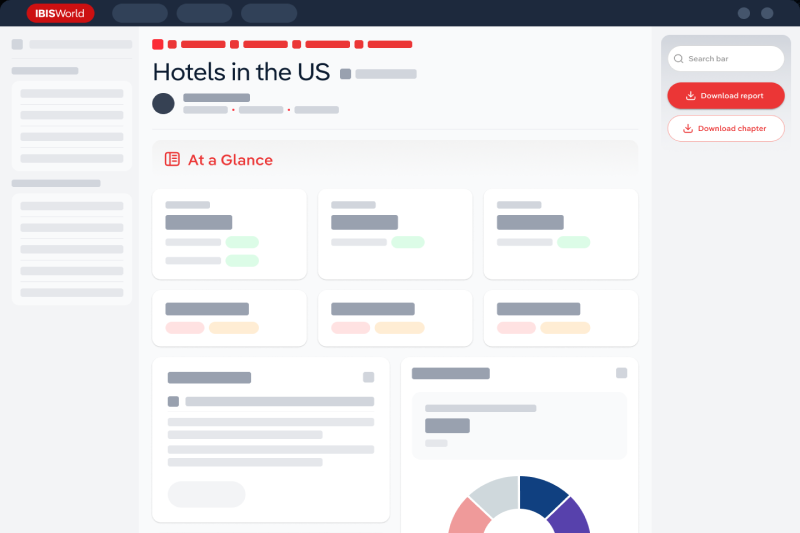
Answer any industry question in minutes with our entire database at your fingertips.
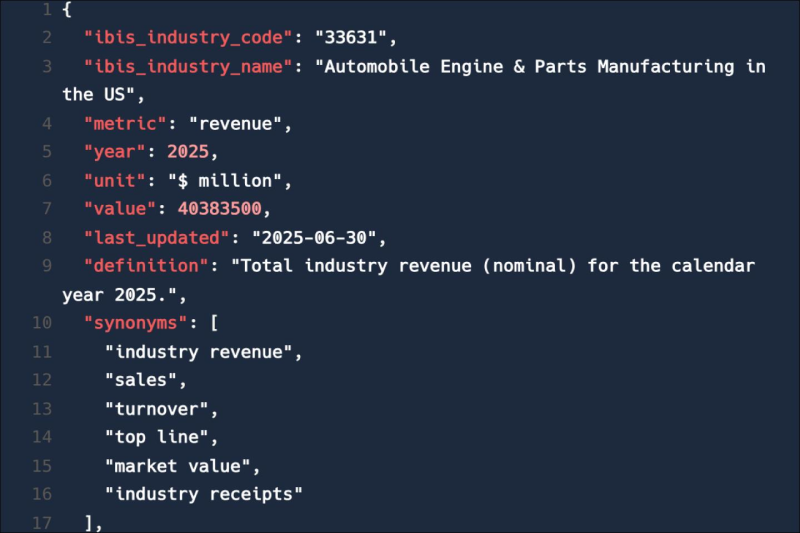
Feed trusted, human-driven industry intelligence straight into your platform.
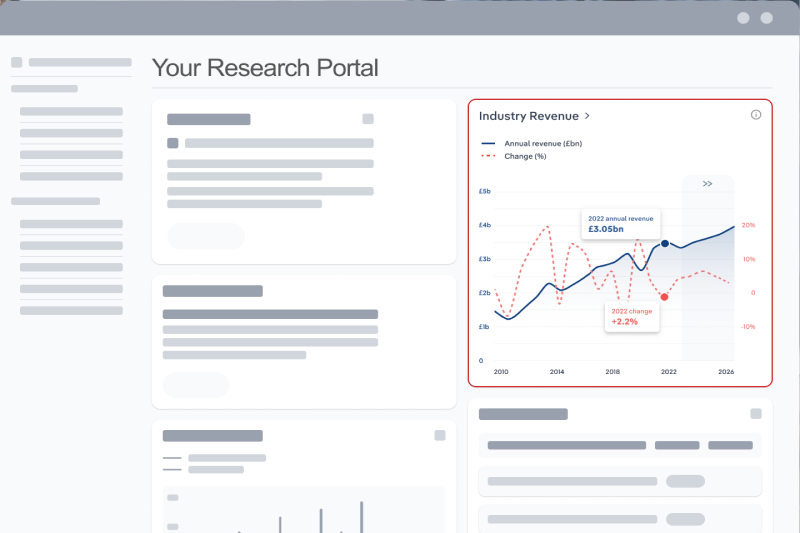
Streamline your workflow with IBISWorld’s intelligence built into your toolkit.
Explore industries with similar markets, supply chains, and economic drivers to gain broader context and insights.
| Industry | Country | Last 5-yr CAGR | Forecast 5-year CAGR | Revenue |
|---|---|---|---|---|
| Lotteries and Bookmaking Operations in New Zealand |

|
XX% | XX% | $XX |
When the stakes are high, you need intelligence that cuts through the noise—wherever you work.
The per capita gambling expenditure in New Zealand in 2026 was 507.48 $.
The per capita gambling expenditure in New Zealand declined by -2.56% in 2026.
IBISWorld’s data and analysis on per capita gambling expenditure in New Zealand includes forecasted growth rates over the next five years.