
IBISWorld Platform
Answer any industry question in minutes with our entire database at your fingertips.

IBISWorld forecasts the number of households to increase by 2.0% during 2025-26 to 2.07 million. This relatively large growth, compared with historical averages, is a result of New Zealand's expected surge in net migration. Reforms to the Accredited Employer Work Visa, like the removal of the wage threshold, will support net migration. This trend is set to contribute to hikes in the number of households in the country.Statistics New Zealand defines three main categories of households: family, other multi-person and one-person. A family household contains two or more people usually living together. It includes at least one couple or parent/child relationship. Other multi-person households include groups of unrelated people usually living together. Finally, a one-person household includes one person who usually lives alone. The 2023 New Zealand census (latest available data) shows that family households remain the largest household type, by a significant margin, at 71.6% of all households. This is a slight rise from 69.3% in 2018. One-person households are the next most common, at 22.8%. This is a 0.9% hike from 2018.Statistics New Zealand also breaks down households into owner-occupied, rented and provided free categories. Over the long term, the proportion of owner-occupied households are declining, while rentals are expanding. However, the percentage of households that are owner-occupied has remained relatively steady over the past five years, at 66.9% of households. Rented households account for 31.5%, and households provided for free make up the remaining 1.9%.There has been a drop in the number of dwelling consents issued from peaks seen in 2020-21. Yet, the New Zealand Government is committed to easing the housing crisis and boosting affordable housing supply. This trend has supported growth in the number of households. Overall, IBISWorld forecasts the number of households to expand at a compound annual rate of 1.9% over the five years through 2025-26.
Curious about what drives these trends? IBISWorld's analyst coverage on the number of households includes detailled analysis on the current performance, outlook and industries affected.
1992-2033
This report analyses the number of households in New Zealand. A household, as defined by Statistics New Zealand (Tatauranga Aotearoa), is either one person or a group of people living in a private dwelling, and sharing facilities such as, living areas, cooking and eating facilities as well as bathroom and toilet facilities. The data for this report is sourced from Statistics New Zealand and is presented in financial years.
IBISWorld Industry Reports are available in multiple formats to fit seamlessly into your workflow.

Answer any industry question in minutes with our entire database at your fingertips.
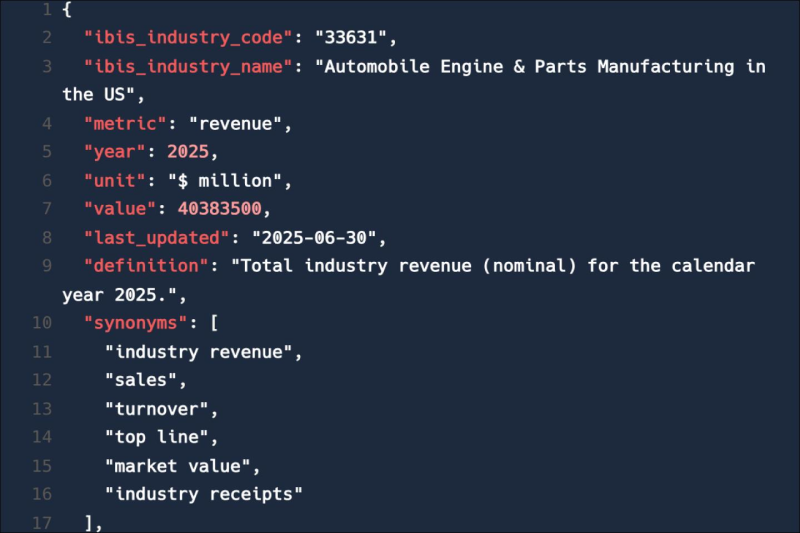
Feed trusted, human-driven industry intelligence straight into your platform.
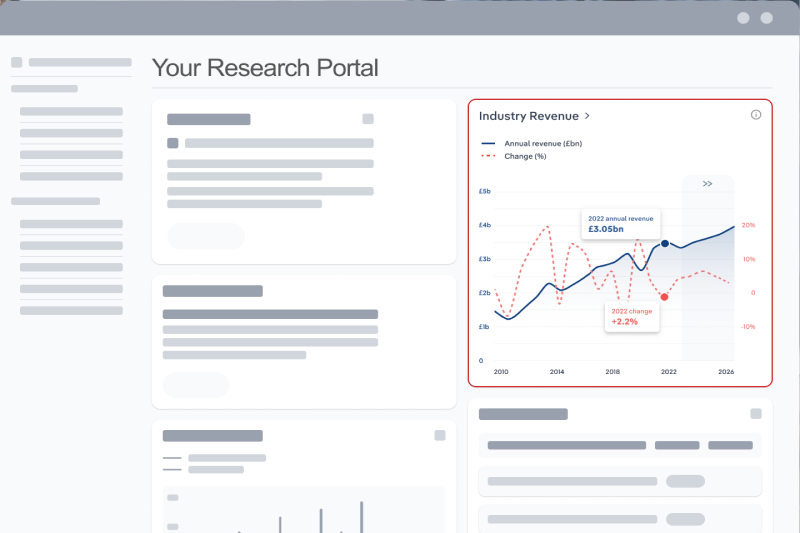
Streamline your workflow with IBISWorld’s intelligence built into your toolkit.
Explore industries with similar markets, supply chains, and economic drivers to gain broader context and insights.
When the stakes are high, you need intelligence that cuts through the noise—wherever you work.
The number of households in New Zealand in 2026 was 2.07 million.
The number of households in New Zealand grew by 1.94% in 2026.
IBISWorld’s data and analysis on number of households in New Zealand includes forecasted growth rates over the next five years.