
IBISWorld Platform
Answer any industry question in minutes with our entire database at your fingertips.

IBISWorld forecasts the national unemployment rate to climb by 0.13 percentage points in 2026-27, to 5.43%. This hike is closely tied to a combination of underlying factors. Though RBNZ (Te Putea Matua) has been easing interest rates since mid-2024, the recent conflict in the Middle East, beginning in March 2026, has added significant economic volatility, with an expected surge in inflation. Additionally, negative consumer sentiment is expected to weigh on consumer spending, placing upwards pressure on the unemployment rate. The RBNZ (Te Putea Matua) is expected to keep the OCR elevated, despite previously moderating interest rates easing in 2025-26. Tight monetary policy is set to restrain economic momentum and businesses' hiring decisions. Combined with high net migration and a growing labour force participation rate, these factors have all contributed to the uptick in unemployment over the past year.After the pandemic-driven surge in unemployment through 2020-21, strengthening economic conditions over the two years through 2022-23 improved the job market, with unemployment rates falling. Recovering business conditions supported increased labour demand, and the economy gradually reopened. Over the two years through 2024-25, the unemployment rate trended upwards as high inflation limited growth in real household incomes and slowed job creation by private sector businesses. This trend was compounded by the Reserve Bank of New Zealand holding interest rates high, reaching 5.5% in May 2023 and remaining elevated till a gradual easing in August 2024, to combat inflation, which dampened private-sector expansion amid higher borrowing costs. Towards the end of 2025-26, the US-Israel-Iran conflict has added to inflationary pressures by raising energy prices. As the RBNZ attempts to bring inflation back to target, interest rates are expected to remain steady and relatively higher, dampening private-sector expansion. As a result, IBISWorld forecasts the national unemployment rate to rise at an average annual rate of 0.40 percentage points over the five years through 2026-27.
Curious about what drives these trends? IBISWorld's analyst coverage on the national unemployment rate includes detailled analysis on the current performance, outlook and industries affected.
1987-2034
This report analyses trends in the national unemployment rate. The national unemployment rate measures the proportion of people in the labour force who are unemployed. The labour force includes all people who are employed and unemployed. Unemployment is defined as all people in the working-age population who were without a paid job, available for work and had either actively sought work in the past four weeks ending or had a new job to start within the next four weeks. The data for this report is sourced from Statistics New Zealand (Tatauranga Aotearoa) and is measured in percentage points for the year-end March.
IBISWorld Industry Reports are available in multiple formats to fit seamlessly into your workflow.

Answer any industry question in minutes with our entire database at your fingertips.
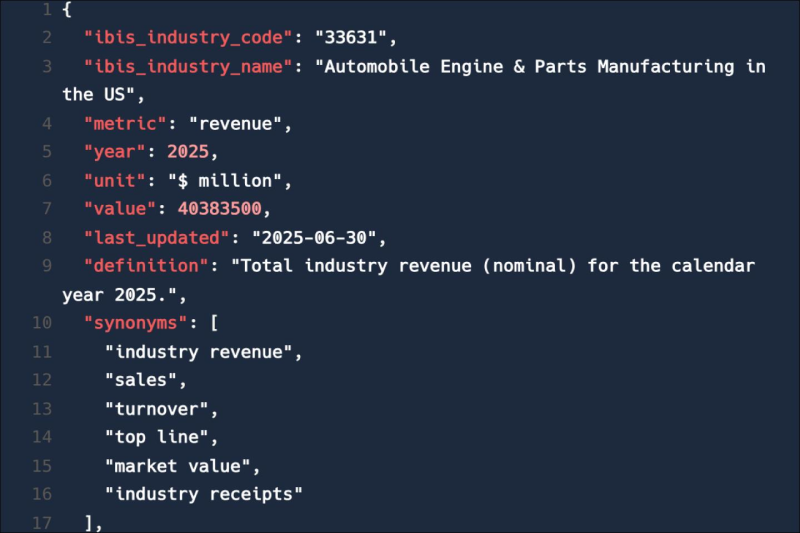
Feed trusted, human-driven industry intelligence straight into your platform.
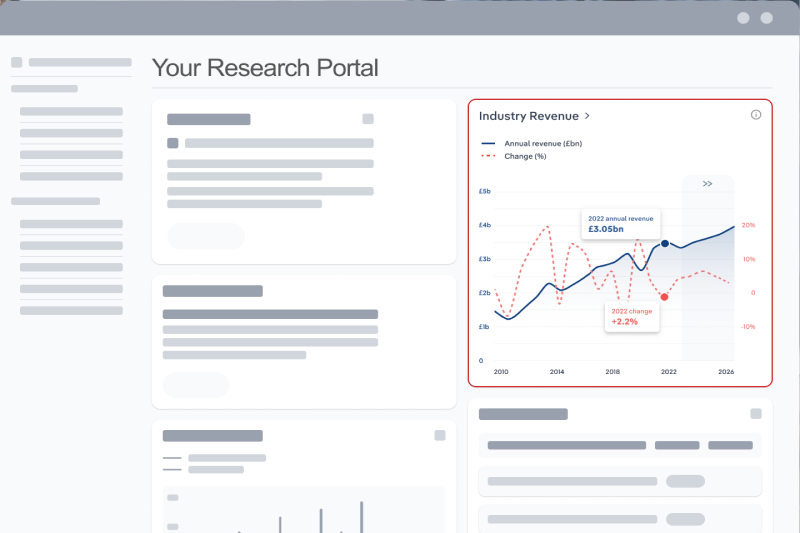
Streamline your workflow with IBISWorld’s intelligence built into your toolkit.
Explore industries with similar markets, supply chains, and economic drivers to gain broader context and insights.
| Industry | Country | Last 5-yr CAGR | Forecast 5-year CAGR | Revenue |
|---|---|---|---|---|
| Credit Reporting & Debt Collection Services in New Zealand |

|
XX% | XX% | $XX |
| Employment Placement & Recruitment Services in New Zealand |
|
XX% | XX% | $XX |
| Crisis & Care Accommodation in New Zealand |
|
XX% | XX% | $XX |
| Personal Welfare Services in New Zealand |
|
XX% | XX% | $XX |
| Temporary Staff Services in New Zealand |
|
XX% | XX% | $XX |
| Performing Arts in New Zealand |
|
XX% | XX% | $XX |
| Technical & Vocational Education & Training in New Zealand |
|
XX% | XX% | $XX |
When the stakes are high, you need intelligence that cuts through the noise—wherever you work.
The national unemployment rate in New Zealand in 2027 was 5.43 percentage.
The national unemployment rate in New Zealand grew by 0.4% in 2027.
IBISWorld’s data and analysis on national unemployment rate in New Zealand includes forecasted growth rates over the next five years.