
IBISWorld Platform
Answer any industry question in minutes with our entire database at your fingertips.

IBISWorld forecasts the motor vehicle price index to fall by 0.2% in 2025-26, to 99.8 points. Global production of new vehicles is on track to rise during the year. Rising production will likely place downward pressure on prices. A greater supply of new cars is set to soften demand for used cars, with these prices rising over the first quarter of 2025-26, while new car prices have fallen. The New Zealand Government's (Te Kawanatanga o Aotearoa) Investment Boost policy contributed to a sharp uptick in new vehicle sales since June 2025. This policy allows businesses to claim a 20.0% tax deduction on new asset purchases, including motor vehicles. As competition for new cars heated up, this may have contributed to lower prices.The value of the New Zealand dollar has a significant effect on the motor vehicle price index. Imports account for the overwhelming majority of New Zealand motor vehicles. All new cars are imported into New Zealand for sale on the domestic market. Additionally, a large number of used cars are also imported into New Zealand, particularly from locations like Japan and Australia. The trade-weighted index can have a strong influence on the price of these vehicles, with domestic prices rising if the New Zealand dollar depreciates. This trend can be particularly true for used cars, as these are less likely to have prices set by major international car manufacturers. The New Zealand dollar has depreciated over the past five years, which has placed upwards pressure on the price of imported cars. Additionally, a severe shortage of semiconductors, particularly mature node chips, which are crucial in vehicle manufacturing, along with a surge in shipping costs, which has increased the cost of importing vehicles to New Zealand, have boosted the motor vehicle price index, as motor vehicle sellers have passed these extra costs onto consumers.Sales of new cars have increased as a share of total car sales over the past five years. New car sales reached 62.0% of total car sales in New Zealand in 2022-23, but has dropped back in subsequent years, and currently represent 59.1% of total sales. Growth in discretionary incomes during the pandemic supported new car sales, as consumers were able to afford more expensive goods. However, supply chain disruptions weakened global production driving up prices for new and used cars in 2021-22 and 2022-23. Overall, IBISWorld forecasts the price of motor vehicles to rise at a compound annual rate of 1.4% over the five years through 2025-26.
Curious about what drives these trends? IBISWorld's analyst coverage on the motor vehicle price index includes detailled analysis on the current performance, outlook and industries affected.
2006-2033
This report analyses the price of motor vehicles in New Zealand (Aotearoa). The price index measures the purchase cost of motor vehicles for households and includes household purchases of new and second-hand vehicles. The index used is an input for the consumer price index. The index has a base of 100.0, with 2024-25 designated as the base year. This report uses data sourced from Statistics New Zealand (Tatauranga Aotearoa) and is measured in index points per financial year.
IBISWorld Industry Reports are available in multiple formats to fit seamlessly into your workflow.

Answer any industry question in minutes with our entire database at your fingertips.
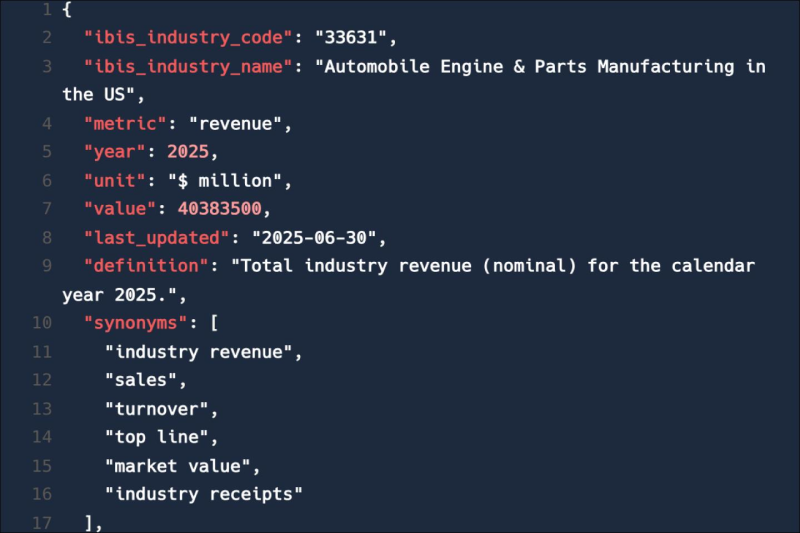
Feed trusted, human-driven industry intelligence straight into your platform.
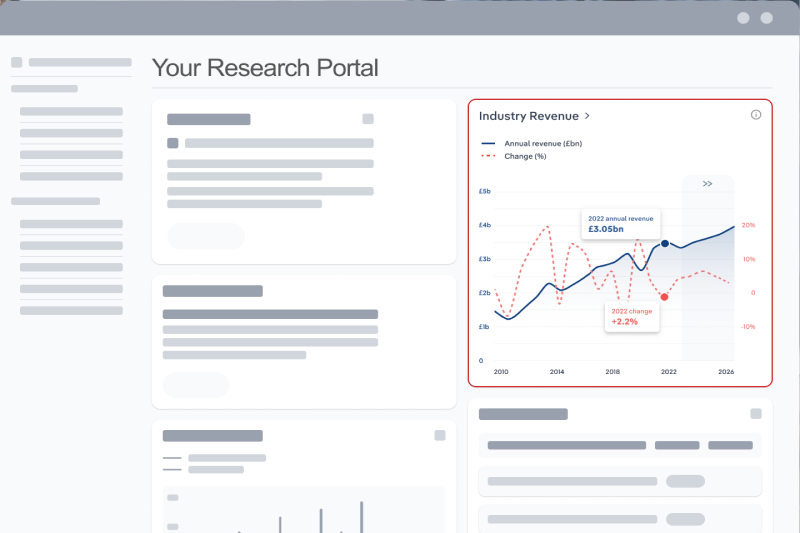
Streamline your workflow with IBISWorld’s intelligence built into your toolkit.
Explore industries with similar markets, supply chains, and economic drivers to gain broader context and insights.
| Industry | Country | Last 5-yr CAGR | Forecast 5-year CAGR | Revenue |
|---|---|---|---|---|
| Motor Vehicle Body, Paint and Interior Repair in New Zealand |

|
XX% | XX% | $XX |
| Car Wholesaling in New Zealand |
|
XX% | XX% | $XX |
| Motor Vehicle Retailing in New Zealand |
|
XX% | XX% | $XX |
When the stakes are high, you need intelligence that cuts through the noise—wherever you work.
The motor vehicle price index in New Zealand in 2026 was 99.8 index points.
The motor vehicle price index in New Zealand grew by 1.36% in 2026.
IBISWorld’s data and analysis on motor vehicle price index in New Zealand includes forecasted growth rates over the next five years.