
IBISWorld Platform
Answer any industry question in minutes with our entire database at your fingertips.

IBISWorld forecasts the proportion of household monthly earnings remaining after a mortgage repayment to rise by 1.30 percentage points in 2026-27 to 72.3%. This growth marks a continuation of the rebound in mortgage affordability witnessed in 2025-26. The aggregate value of private residential sector dwelling values is forecast to expand by 0.7% in 2026-27, based on data from the RBNZ and the NZ Treasury. However, IBISWorld expects the total number of households in New Zealand to expand at a faster rate, supported by an expansion in the total population. This increase in housing supply, in excess of forecasted residential sector dwelling values indicates the potential for housing price declines throughout 2026-27. At the same time, mortgage affordability is likely to be supported by stability in the Official Cash Rate (OCR). In the June 2026 quarter, the OCR remained stable at 2.25%, its lowest level since July 2022. This low-interest-rate environment will allow mortgage affordability to climb in 2026-27, as a smaller percentage of household income is allocated to interest repayments.The forecasted improvements in mortgage affordability in 2026-27 would mark the third consecutive year of affordability growth, after affordability levels dipped to the lowest levels witnessed in over 20 years in 2023-24. In response to an overheating property market and rising inflation following the reopening of the economy after pandemic restrictions, the RBNZ started tightening monetary policy and lifting the OCR from October 2021. The RBNZ then engaged in one of its fastest hiking cycles in history, lifting the OCR a cumulative 525 basis points between October 2021 and May 2023. As a result, mortgage affordability plummeted in 2022-23 and 2023-24. Throughout this period, a housing shortage in New Zealand also contributed to the significant rise in property prices and led to larger mortgages being taken out by households.After more than 12 months stable at 5.50%, the RBNZ began cutting the OCR in August 2024, until it reached 2.25% in November 2025. This has eased pressure on households with mortgages and boosted the amount of money left over after a mortgage repayment, as evidenced by the rebound in mortgage affordability over 2024-25, 2025-26 and 2026-27. Over this period, the average house price has also remained contained, while average monthly earnings per household have climbed, further supporting housing affordability. While lower borrowing costs have supported mortgage repayments, increased costs in other domains have kept households under budgetary pressure, offsetting further increases in mortgage affordability. Overall, IBISWorld forecasts the proportion of monthly household earnings remaining after a mortgage repayment to rise at an average annual rate of 1.58 percentage points over the five years through 2026-27.
Curious about what drives these trends? IBISWorld's analyst coverage on the mortgage affordability includes detailled analysis on the current performance, outlook and industries affected.
2006-2034
This report analyses mortgage affordability in New Zealand, which is presented as the proportion of a household's monthly earnings left over after a mortgage repayment. This is calculated using the average monthly repayment for a standard 30-year loan on the median house price with a 20% deposit. An increase in the percentage indicates the average mortgage becoming more affordable for households. The data for this report is calculated from information sourced from Statistics New Zealand (Tatauranga Aotearoa) and the Reserve Bank of New Zealand (Te Putea Matua) and is presented as a percentage of average household earnings.
IBISWorld Industry Reports are available in multiple formats to fit seamlessly into your workflow.

Answer any industry question in minutes with our entire database at your fingertips.
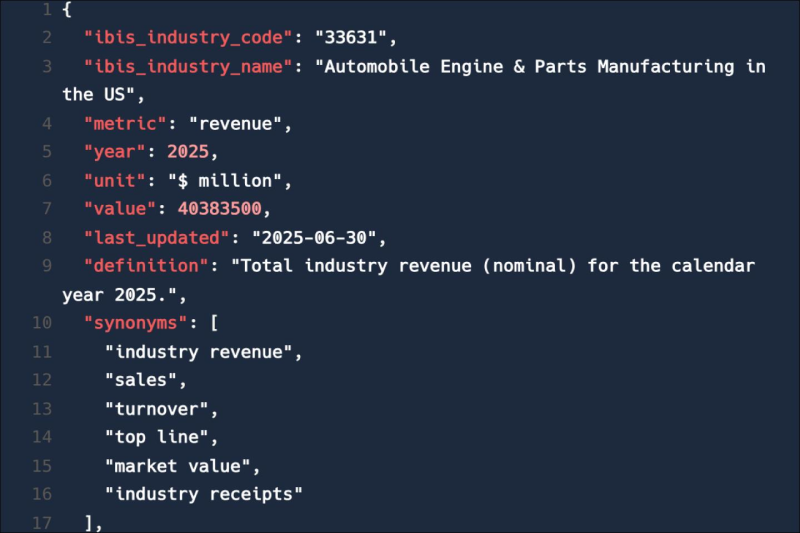
Feed trusted, human-driven industry intelligence straight into your platform.
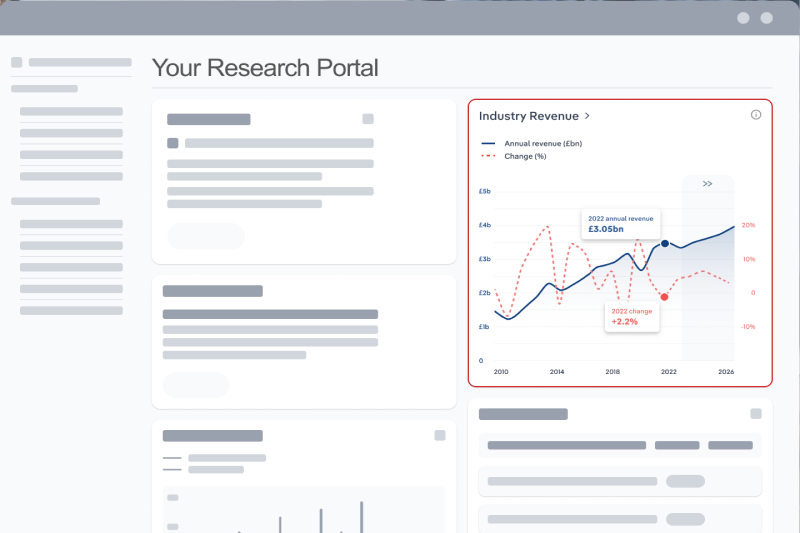
Streamline your workflow with IBISWorld’s intelligence built into your toolkit.
Explore industries with similar markets, supply chains, and economic drivers to gain broader context and insights.
| Industry | Country | Last 5-yr CAGR | Forecast 5-year CAGR | Revenue |
|---|---|---|---|---|
| Real Estate Services in New Zealand |

|
XX% | XX% | $XX |
| House Construction in New Zealand |
|
XX% | XX% | $XX |
| Multi-Unit Apartment & Townhouse Construction in New Zealand |
|
XX% | XX% | $XX |
| Carpentry Services in New Zealand |
|
XX% | XX% | $XX |
When the stakes are high, you need intelligence that cuts through the noise—wherever you work.
The mortgage affordability in New Zealand in 2027 was 72.3 percentage.
The mortgage affordability in New Zealand grew by 1.58% in 2027.
IBISWorld’s data and analysis on mortgage affordability in New Zealand includes forecasted growth rates over the next five years.