
IBISWorld Platform
Answer any industry question in minutes with our entire database at your fingertips.

IBISWorld expects milk production to rise by 0.8% in 2026-27, reaching 21,646 megalitres. An expected uptick and elevated milk prices will likely encourage cow retention, supporting milk production. Continued genetic progress will drive productivity improvements, with Dairy NZ's November 2025 report citing technology and efficiency gains as key drivers of productivity in 2024-25. Herd testing, which allows farmers to gather data and improve herd management, is also increasingly commonplace, with 77.2% of total herds tested in 2024-25, higher than the five-year national average of 75.6%. These factors have positioned New Zealand as one of the lowest-cost milk producers and contributed to the country's robust milk production. Dairy is crucial to New Zealand's economy, with the Ministry for Primary Industries estimating dairy exports to reach $27.4 billion in 2026-27.The local herd genetics and agricultural technology cooperative, Livestock Improvement Corporation (LIC), has noted significant advancements in productivity on dairy cattle farms across the country over the past five years. Each cow produced approximately 414 kg of milk solids in 2024-25, approximately 37 kg more milk solids annually than a decade ago. These gains are primarily due to genetic improvements. New Zealand's average calving interval of 368-370 days is the shortest globally, enabling the industry to maintain high productivity. The dairy industry's well-established seasonal calving system, which aligns cattle births with natural pasture growth, ensures consistent nutrition for herds year-round. This approach reduces costs and boosts overall milk productivity.Milk production has fluctuated over the past five years. Production volumes vary from season to season depending on weather conditions, herd sizes and conditions in global dairy markets. Adequate rainfall improves pasture quality, which in turn boosts dairy herd productivity. Conversely, periods of low rainfall or high temperatures increase livestock stress, leading to lower yields. For example, favourable weather conditions and improved pasture quality contributed to solid growth in milk production in 2020-21, while low rainfall in 2022-23 and 2023-24 contributed to a decline. Furthermore, adverse conditions in spring hindered pasture growth, weakening milk production volumes in 2021-22 and 2022-23.Regarding sustainability, the New Zealand Dairy Cattle Farming industry has taken steps to minimise its environmental impact while simultaneously maximising farm profitability. The industry leverages initiatives like LIC's HoofPrint index to select lower-emission bulls, enhancing cow genetics to reduce nitrogen waste. The average herd life exceeds 4.5 lactations, one of the highest in the world, indicating strong longevity and resilience within the herd. These efforts reflect the industry's adaptability and commitment to continuous improvement, ensuring it remains competitive and environmentally responsible in a rapidly changing landscape.Milk prices are heavily influenced by conditions in international markets, with domestic prices generally following global dairy prices. Higher domestic prices typically encourage farmers to maintain or increase herd sizes, boosting milk production. Dairy NZ's March 2026 report noted that elevated milk prices, robust production and improved conditions have provided farmers with a favourable trading environment. However, ongoing challenges like geopolitical tensions and potential supply chain bottlenecks could raise input prices and constrain production in 2026-27. Overall, IBISWorld expects annual milk production to rise at a compound annual rate of 0.8% over the five years through 2026-27.
Curious about what drives these trends? IBISWorld's analyst coverage on the milk production includes detailled analysis on the current performance, outlook and industries affected.
1984-2034
This report analyses milk production in New Zealand. Milk production represents the volume of milk processed yearly to May and is measured in megalitres. Data for this report is sourced from Dairy NZ.
IBISWorld Industry Reports are available in multiple formats to fit seamlessly into your workflow.

Answer any industry question in minutes with our entire database at your fingertips.
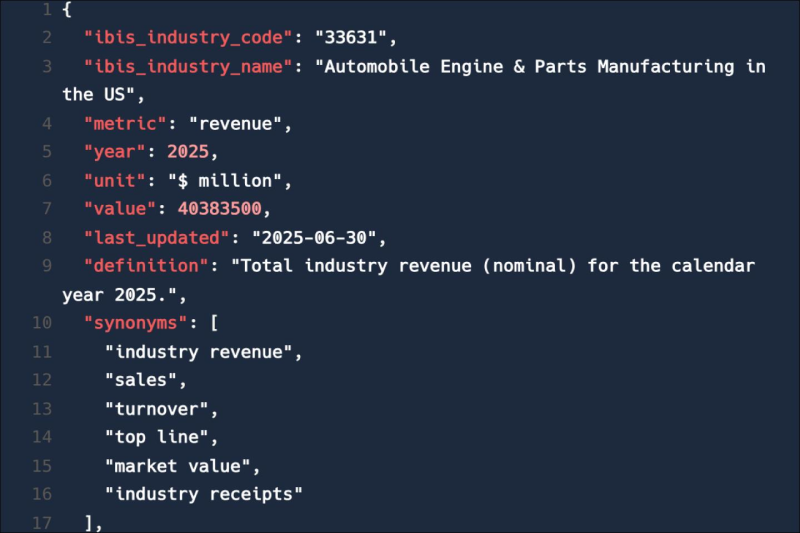
Feed trusted, human-driven industry intelligence straight into your platform.

Streamline your workflow with IBISWorld’s intelligence built into your toolkit.
Explore industries with similar markets, supply chains, and economic drivers to gain broader context and insights.
| Industry | Country | Last 5-yr CAGR | Forecast 5-year CAGR | Revenue |
|---|---|---|---|---|
| Cheese & Other Dairy Product Manufacturing in New Zealand |

|
XX% | XX% | $XX |
| Milk & Cream Processing in New Zealand |
|
XX% | XX% | $XX |
| Dairy Cattle Farming in New Zealand |
|
XX% | XX% | $XX |
| Agribusiness in New Zealand |
|
XX% | XX% | $XX |
When the stakes are high, you need intelligence that cuts through the noise—wherever you work.
The milk production in New Zealand in 2027 was 21,646 megalitre.
The milk production in New Zealand grew by 0.82% in 2027.
IBISWorld’s data and analysis on milk production in New Zealand includes forecasted growth rates over the next five years.