
IBISWorld Platform
Answer any industry question in minutes with our entire database at your fingertips.

IBISWorld forecasts milk consumption to fall by 1.0% in 2025, to reach 89.2 litres per capita. Milk consumption is influenced by a range of factors. These include changes in domestic milk prices, population demographics and consumer preferences. Declining milk production over the past three years has placed upward pressure on milk prices throughout the year, discouraging consumer demand. Furthermore, increasing demand for plant-based alternatives, like oat milk and soy milk is also expected to contribute to falling per capita milk consumption.Changes in domestic milk prices can have a significant impact on milk consumption. As milk prices rise, consumers may reduce consumption, while a decline in domestic milk prices may lead to increased consumption. Domestic milk prices are heavily influenced by global market conditions, with New Zealand exporting approximately 95% of milk produced in the country, according to the Dairy Companies Association of New Zealand. Expanding disposable incomes supported growing consumption in 2021, despite robust growth in milk prices. However, per capita consumption has dropped in subsequent years, with falling milk production weighing heavily on prices.Consumer attitudes towards dairy products, which are partly driven by health consciousness and public concern over environmental issues, have weighed on milk consumption over the past five years. The resultant growing popularity of vegan and vegetarian diets has seen an increase in consumption of non-dairy milk alternatives, such as soy milk, almond milk, oat milk and coconut milk. The launch of world-leading oat milk brand, Oatly, and re-opening of local brand Otis' New Zealand manufacturing plant in 2024 highlights the strength of growing demand of plant-based milk.Demographic changes can also influence milk consumption. An increase in the proportion of the population aged under 15 or over 70 can boost per capita milk consumption, as these age groups often consume milk due to the perceived health benefits. Growth in the population aged 70 and above is far outpacing that of the total population. However, rising health consciousness has also weighed on milk consumption in other population segments over the past five years. Overall, IBISWorld expects per capita milk consumption to fall at a compound annual 0.6% over the five years through 2025.
Curious about what drives these trends? IBISWorld's analyst coverage on the milk consumption includes detailled analysis on the current performance, outlook and industries affected.
1991-2032
This report analyses trends in milk consumption in New Zealand and is derived by dividing total national consumption by the total New Zealand population. Milk consumption is measured in litres per capita and represents the amount consumed per person in calendar years. The data for this report is sourced from the Organisation for Economic Co-operation and Development (OECD).
IBISWorld Industry Reports are available in multiple formats to fit seamlessly into your workflow.

Answer any industry question in minutes with our entire database at your fingertips.
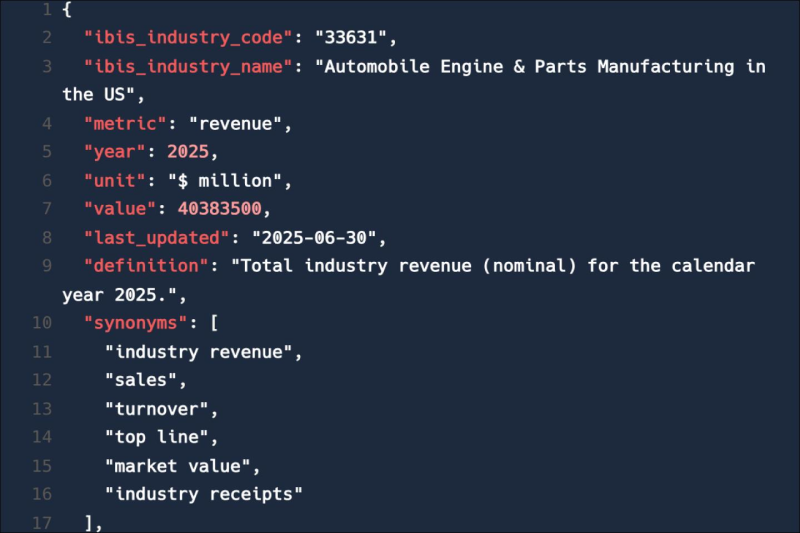
Feed trusted, human-driven industry intelligence straight into your platform.
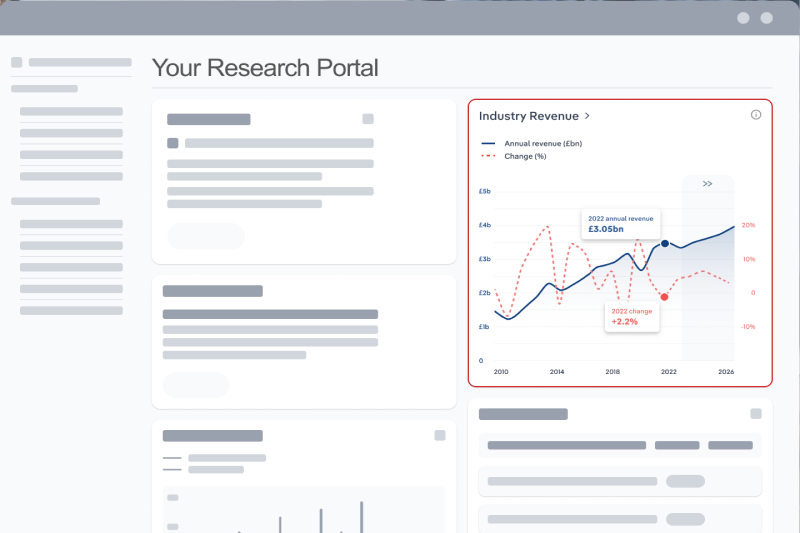
Streamline your workflow with IBISWorld’s intelligence built into your toolkit.
Explore industries with similar markets, supply chains, and economic drivers to gain broader context and insights.
When the stakes are high, you need intelligence that cuts through the noise—wherever you work.
The milk consumption in New Zealand in 2025 was 89.2 litres per capita.
The milk consumption in New Zealand declined by -0.55% in 2025.
IBISWorld’s data and analysis on milk consumption in New Zealand includes forecasted growth rates over the next five years.