
IBISWorld Platform
Answer any industry question in minutes with our entire database at your fingertips.

IBISWorld forecasts the level of obesity in New Zealanders to rise by 1.1 percentage points in 2025-26, to 65.1% of the population. New Zealand maintains high levels of involvement in sports and active leisure, thanks to continuous government programmes that promote both physical exercise and good eating habits. Recent data show that obesity rates, which are among the highest in the OECD, have begun to fall in recent years, particularly among youngsters, as diversified initiatives focus on greater exercise and improved nutrition. However, rising prices and supply challenges have caused slight declines in fruit and vegetable consumption, which may temper future reductions in obesity; nonetheless, a strong negative correlation exists between recreational activity levels and obesity, and sustained efforts in these areas are expected to benefit overall public health.Although New Zealand's adult obesity rate has grown significantly over time, the rate of growth has slowed over the last decade, with early hints of a plateau developing in recent years. Ongoing national initiatives, such as health promotion programmes, increased access to sports and recreation activities, and the installation of food labelling schemes such as health star ratings, have all contributed to a decrease in obesity rates. Increased image consciousness, particularly among younger persons, has also slowed the rise in obesity rates during the last five years.While a persistent drop in adult obesity has seldom been documented during the last forty years, there is evidence that the level of obesity may be approaching saturation, and recent interventions have had modest but significant effects. Obesity rates remain high, owing largely to long-term increases in the availability and marketing of unhealthy foods; however, reducing the national obesity burden is a major policy priority, given that obesity-related illnesses now represent the largest health cost burden for the New Zealand healthcare system, surpassing tobacco-related illnesses over the last decade. IBISWorld forecasts the level of obesity in New Zealand to slump at an average annual rate of 0.9 percentage points over the five years through 2025-26.
Curious about what drives these trends? IBISWorld's analyst coverage on the levels of obesity includes detailled analysis on the current performance, outlook and industries affected.
2003-2033
This report analyses the level of obesity in New Zealand's adult population. For the purpose of this report, obesity includes people that are overweight and obese, which is defined as having a Body Mass Index of 25.0 and over. The data for this report is sourced from the New Zealand Health Survey conducted by the Ministry of Health (Manatu Hauora). The level of obesity is expressed as a percentage of the population aged 15 and over that is considered overweight or obese for the year ending June.
IBISWorld Industry Reports are available in multiple formats to fit seamlessly into your workflow.

Answer any industry question in minutes with our entire database at your fingertips.

Feed trusted, human-driven industry intelligence straight into your platform.
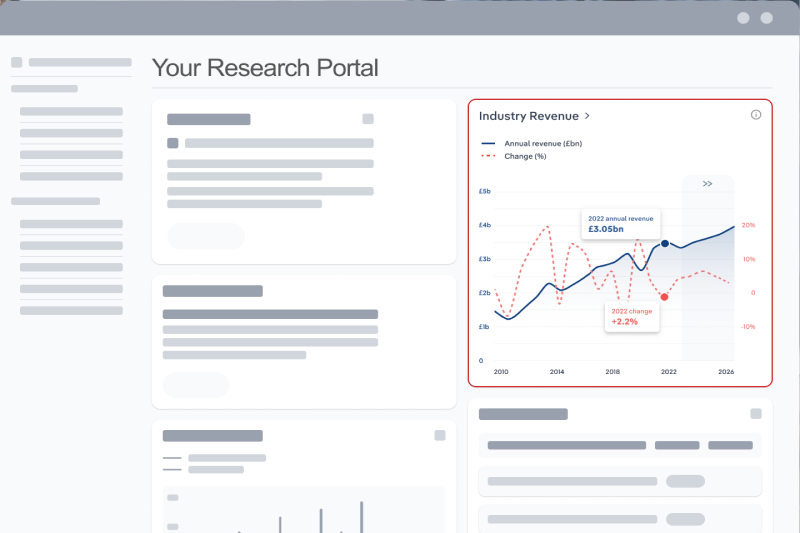
Streamline your workflow with IBISWorld’s intelligence built into your toolkit.
Explore industries with similar markets, supply chains, and economic drivers to gain broader context and insights.
| Industry | Country | Last 5-yr CAGR | Forecast 5-year CAGR | Revenue |
|---|---|---|---|---|
| Gyms and Fitness Centres in New Zealand |

|
XX% | XX% | $XX |
| Funeral, Crematorium and Cemetery Services in New Zealand |
|
XX% | XX% | $XX |
When the stakes are high, you need intelligence that cuts through the noise—wherever you work.
The levels of obesity in New Zealand in 2026 was 65.1 percentage.
The levels of obesity in New Zealand declined by -0.58% in 2026.
IBISWorld’s data and analysis on levels of obesity in New Zealand includes forecasted growth rates over the next five years.