
IBISWorld Platform
Answer any industry question in minutes with our entire database at your fingertips.

IBISWorld forecasts the labour force participation rate to fall by 0.62 percentage points in 2025-26, to reach 70.46%, as the working age population increases and the labour force contracts. This marks a continuation of the downward trend observed in 2024-25, following three consecutive years of growth from 2020-21 to 2023-24.The decline is a result of cyclical factors, four consecutive quarters of declining annual GDP growth from December 2024 to September 2025, climbing unemployment, a rising underutilisation rate, declining public-sector employment, and the impact of discouraged workers. The New Zealand Treasury put the decline down to discouraged workers leaving the labour force, with unemployment reaching near-decade highs. The decline in the labour force participation rate has limited the rise in unemployment, as many discouraged workers have exited the labour force. The labour force participation rate typically falls during periods of weak economic activity. A rise in the unemployment rate often characterises these periods. Some unemployed individuals do not immediately seek work, which is considered an exit from the labour force. For this reason, the sharp rise in unemployment during 2025-26 is projected to cause a decline in the labour force participation rate over the year.New Zealand citizen departures reached 72,700 in the year to September 2025. The majority of departing New Zealand citizens moved to Australia, attracted by higher wages and stronger job and economic prospects. This removes highly skilled workers from the labour force in their prime working years, the individuals most likely to participate actively.The labour force participation rate has been trending upwards over several decades. New Zealand's ageing population has had a mostly positive effect on workforce participation over the past five years. Healthcare improvements have led to better health among older workers, enabling many to continue working. Technological changes that have reduced the manual intensity of some labour functions have also supported longer working lives.From 2021-22 to 2023-24, the labour force participation rate rose steadily from 70.2% to 71.9%. This was due to a strong recovery in the labour market after the pandemic. As restrictions eased, firms expanded, leading to employment growth and workers returning to the labour force. This built on longer-term trends like rising female participation and later retirement, pushing labour force participation to historic highs in 2023-24.Changing social norms have had a mixed effect on the labour force participation rate over several decades and over the past five years. Females have increasingly been entering the workforce as parenting norms continue to evolve. The labour force participation rate among women has risen over the period, from 65.13% in 2020-21 to an estimated 66.35% in 2025-26. Meanwhile, participation among males has dipped, falling from 75.38% in 2020-21 to 74.66% in 2025-26. This is partially attributable to more males taking on stay-at-home parenting roles. In addition, younger males are also becoming increasingly likely to complete secondary and tertiary education before entering the workforce. For both sexes, labour force participation among people aged 65 and over has risen strongly over the period. This is in response to an increasing number of New Zealanders pushing back retirement. Overall, the prevailing upward pressures from increasing participation among females and older New Zealanders are expected to more than offset the slump in the labour force participation rate during 2024-25 and 2025-26. IBISWorld forecasts the participation rate to increase at an average annual rate of 0.06 percentage points over the five years through 2025-26.
Curious about what drives these trends? IBISWorld's analyst coverage on the labour force participation rate includes detailled analysis on the current performance, outlook and industries affected.
1987-2033
This report analyses trends in the labour force participation rate. The labour force participation rate is calculated as the number of people who are employed and unemployed but looking for a job divided by the total working-age population. The working-age population is defined as the number of individuals aged 15 years and above. The data for this report is sourced from Statistics New Zealand (Tatauranga Aotearoa) and is measured in percentage points per financial year.
IBISWorld Industry Reports are available in multiple formats to fit seamlessly into your workflow.

Answer any industry question in minutes with our entire database at your fingertips.
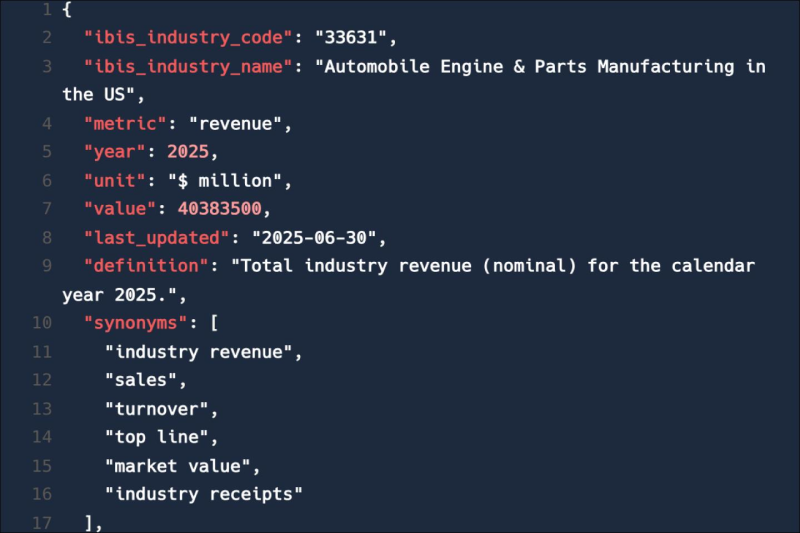
Feed trusted, human-driven industry intelligence straight into your platform.
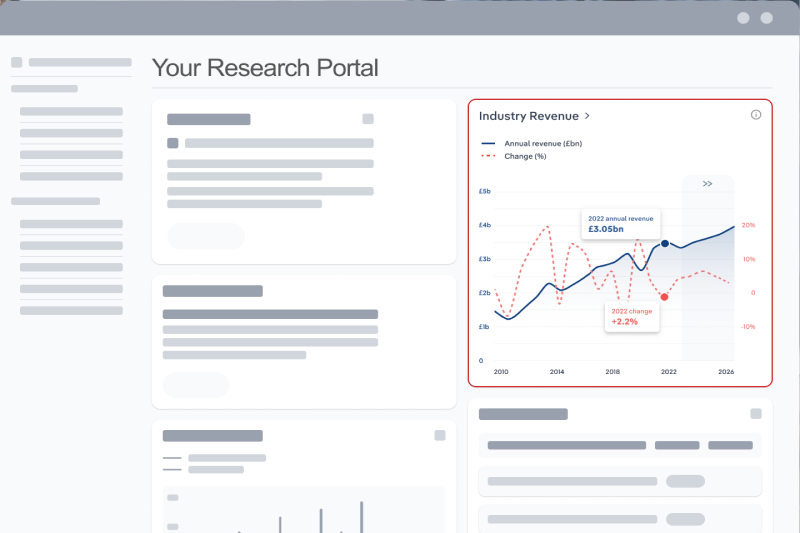
Streamline your workflow with IBISWorld’s intelligence built into your toolkit.
Explore industries with similar markets, supply chains, and economic drivers to gain broader context and insights.
| Industry | Country | Last 5-yr CAGR | Forecast 5-year CAGR | Revenue |
|---|---|---|---|---|
| Child Care Services in New Zealand |

|
XX% | XX% | $XX |
When the stakes are high, you need intelligence that cuts through the noise—wherever you work.
The labour force participation rate in New Zealand in 2026 was 70.46 percentage.
The labour force participation rate in New Zealand grew by 0.06% in 2026.
IBISWorld’s data and analysis on labour force participation rate in New Zealand includes forecasted growth rates over the next five years.