
IBISWorld Platform
Answer any industry question in minutes with our entire database at your fingertips.

IBISWorld forecasts that high-income earners will receive a growing share of total income in 2025-26, rising by 0.10 percentage points to 27.7%. This shift is driven by robust capital inflows and recent policy reforms aimed at attracting high-net-worth individuals. In April 2025, New Zealand overhauled its "Active Investor Plus" (Golden Visa) scheme, lowering investment thresholds, relaxing residency and language requirements and emphasising local economic impact. These changes reversed stricter previous rules, making it easier for global investors to obtain residency through two new pathways: the Growth Category (minimum NZD 5 million invested in areas like managed funds or direct local investments) and the Balanced Category (NZD 10 million in diversified assets). New Zealand's rapid capital income growth and surging house prices, averaging $790,000 in March 2025 (up 5.2% annually over the past decade), are fueling rising inequality. With pronounced wage gaps in high-skill sectors and minimal impact from taxes and welfare, income disparities are widening. The influx of global wealth is accelerating this trend, concentrating after-tax income and swelling the ranks of high-net-worth individuals.Over most of the past five-year period, rising housing prices have boosted the value of housing portfolios for high-income earners, increasing their earning potential from rent or capital gains. The rising value of residential properties in New Zealand has allowed investors to make gains from buying and selling property over the period. Over the past five years, the NZX 50 index has also mostly risen, granting shareholders additional income. Volatile economic conditions and lockdowns during the COVID-19 pandemic restricted the earning potential for some low-income earners, like employees in hospitality, retail and tourism-related industries. These conditions have supported growth in the share of total income received by high-income earners over the past five years.A low cash rate over the three years through 2021-22 supported gains made by high-income individuals, as the cost of borrowing was low, which also allowed for more leveraged investments. This encouraged high-income individuals to invest more of their earnings to ensure consistent returns. Individuals with lower earnings generally do not have sufficient excess savings to invest effectively, which has increased the gap between low and high earners over the period. The cash rate has risen since, impacting earnings for individuals in the high-income bracket. Overall, IBISWorld forecasts the share of income received by high-income earners to increase by an annual average rate of 0.14 percentage points over the five years through 2025-26.
Curious about what drives these trends? IBISWorld's analyst coverage on the high income earners includes detailled analysis on the current performance, outlook and industries affected.
1982-2033
This report analyses the proportion of after-tax cash income that is generated by New Zealand households classified as high income earners. High income earners are defined as households that fall into the highest decile for after-tax income. Data for this report is sourced from the Ministry of Social Development (Te Manatu Whakahiato Ora) and is presented in years ending June.
IBISWorld Industry Reports are available in multiple formats to fit seamlessly into your workflow.

Answer any industry question in minutes with our entire database at your fingertips.

Feed trusted, human-driven industry intelligence straight into your platform.
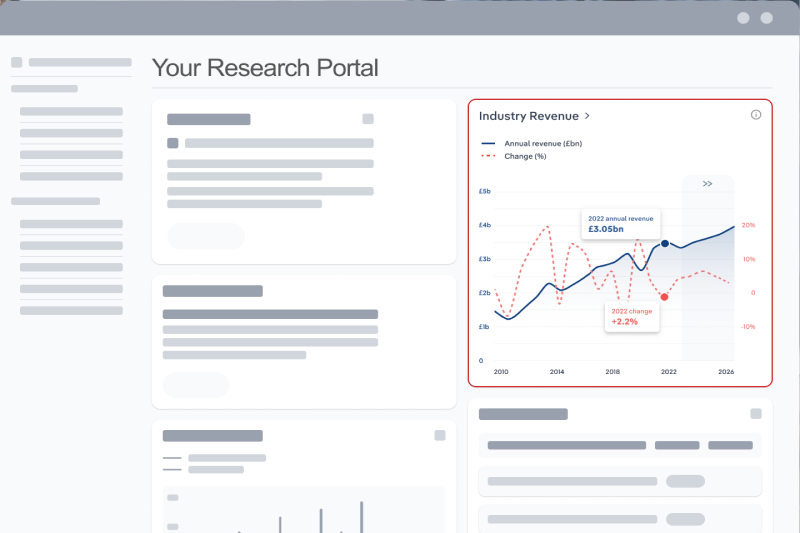
Streamline your workflow with IBISWorld’s intelligence built into your toolkit.
Explore industries with similar markets, supply chains, and economic drivers to gain broader context and insights.
| Industry | Country | Last 5-yr CAGR | Forecast 5-year CAGR | Revenue |
|---|---|---|---|---|
| Funds Management and Other Investment Services in New Zealand |

|
XX% | XX% | $XX |
| Aircraft Manufacturing and Repair Services in New Zealand |
|
XX% | XX% | $XX |
| Veterinary Services in New Zealand |
|
XX% | XX% | $XX |
When the stakes are high, you need intelligence that cuts through the noise—wherever you work.
The high income earners in New Zealand in 2026 was 27.7 percentage.
The high income earners in New Zealand grew by 0.14% in 2026.
IBISWorld’s data and analysis on high income earners in New Zealand includes forecasted growth rates over the next five years.