
IBISWorld Platform
Answer any industry question in minutes with our entire database at your fingertips.

IBISWorld forecasts household expenditure on recreation and culture to fall by 0.1% in 2025-26, to $20.59 billion. According to the 2025 NZ Budget, private consumption is projected to rise just 0.1% in 2024-25 and 1.6% in 2025-26, reflecting weak momentum in discretionary spending. The Reserve Bank notes per-capita household consumption has dropped since 2023, with high interest rates, a cautious labour market and ongoing economic uncertainty continuing to dampen demand for non-essentials. This underpins that expenditure on recreation and culture will be flat in the current year.Household expenditure on recreation and culture as a proportion of total household consumption expenditure was relatively stable from 2002-03 to 2018-19, ranging from 9.3% to 9.8% of total consumption throughout the period. Over the three years through 2022-23, this proportion jumped above 10.0%, when expenditure on recreation and cultural activities grew substantially following a sharp rise in discretionary income over the period. Growing consumption on recreation and culture has been partially fuelled by a rise in the number of subscription television subscribers and increased pet ownership and pet-related expenditure. The COVID-19 outbreak accelerated this trend, as unprecedented levels of government stimulus contributed to a sharp rise in real household discretionary income for New Zealand households. Expenditure was further fuelled by restrictions on substitute spending, such as outbound travel.Strong growth in household discretionary incomes over a majority of the past five years has supported an expansion in household expenditure on recreation and culture. Discretionary incomes have also been boosted by low interest rates during the earlier part of the period. In addition, greater government expenditure on recreation and culture has increased community engagement with related activities, notably, Maori culture and traditions. However, intermittent pandemic-related lockdowns caused disruptions to events, cinemas, and other public-gathering activities as well as economic uncertainty since curbing household discretionary spending has limited an otherwise strong growth over the five-year period. Overall, IBISWorld forecasts expenditure on recreation and culture to grow at a compound annual rate of 3.8% over the five years through 2025-26.
Curious about what drives these trends? IBISWorld's analyst coverage on the expenditure on recreation and culture includes detailled analysis on the current performance, outlook and industries affected.
1988-2033
This report analyses total consumption expenditure by New Zealand households on recreation and culture. This expenditure includes purchases of audio-visual equipment, subscriber television charges, and purchases of pets and pet-related products, along with admission charges related to cultural activities or events. The data for this report is sourced from Statistics New Zealand (Tatauranga Aotearoa) and is measured in billions of dollars.
IBISWorld Industry Reports are available in multiple formats to fit seamlessly into your workflow.

Answer any industry question in minutes with our entire database at your fingertips.
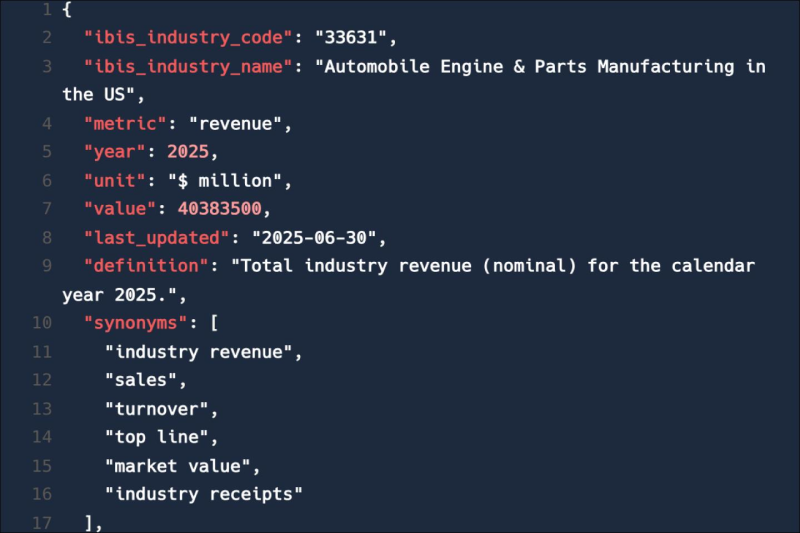
Feed trusted, human-driven industry intelligence straight into your platform.
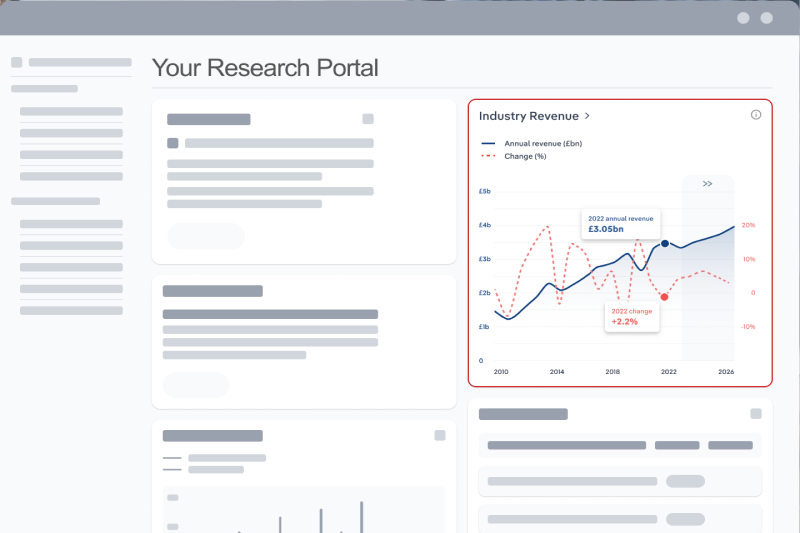
Streamline your workflow with IBISWorld’s intelligence built into your toolkit.
Explore industries with similar markets, supply chains, and economic drivers to gain broader context and insights.
| Industry | Country | Last 5-yr CAGR | Forecast 5-year CAGR | Revenue |
|---|---|---|---|---|
| Performing Arts Operation in New Zealand |

|
XX% | XX% | $XX |
When the stakes are high, you need intelligence that cuts through the noise—wherever you work.
The expenditure on recreation and culture in New Zealand in 2026 was $20.59 billion.
The expenditure on recreation and culture in New Zealand grew by 3.83% in 2026.
IBISWorld’s data and analysis on expenditure on recreation and culture in New Zealand includes forecasted growth rates over the next five years.