
IBISWorld Platform
Answer any industry question in minutes with our entire database at your fingertips.

IBISWorld forecasts the electricity service price index to rise by 5.8% in 2025-26, to 1000.0 index points. This is primarily driven by the Commerce Commission's Default Price-Quality Path (DPP4) reset for electricity distribution businesses, which came into effect at the start of the 2025-26 financial year. The new price path allowed distribution companies to boost their revenue allowances to address rising operational expenses driven by higher material and contractor costs, elevated interest rates on capital financing and significant investment requirements to modernise ageing infrastructure. The wholesale electricity price fell during 2025-26 due to strong hydro inflows and high renewable generation after the severe supply crisis seen during 2024-25 spiked wholesale prices. This limited the increase in the service price index.Domestic electricity prices in New Zealand are often relatively insulated from global trends, as over 80% of New Zealand's electricity generation is derived from renewable sources. Hydro-electric generation makes up the majority of electricity production in New Zealand. As a result, the supply and price of electricity can be significantly influenced by changes in the volume of water stored in hydro lakes. Despite New Zealand's strong reliance on local renewables, global factors can still influence electricity prices. During the pandemic, electricity demand dropped due to strict lockdowns. However, volatility in gas supply, coupled with low hydro storage, placed significant stress on New Zealand's electricity market, especially as restrictions eased and demand rebounded towards pre-pandemic levels.The electricity service price index has fluctuated over the five years to 2025-26, reflecting New Zealand's exposure to global energy market disruptions and domestic supply constraints. The price surged during 2021-22 as electricity demand rebounded from pandemic-induced lockdowns and the Russia-Ukraine conflict disrupted global energy supplies, sending international coal and gas prices soaring. Despite New Zealand generating over 80% of its electricity from renewable sources, the country relies on gas and coal for backup generation during dry periods. Yet, in 2022-23, these trends reversed, and prices plummeted. Heavy rainfall contributed to a sharp increase in storage volume at New Zealand's hydro lakes, which depressed spot-market prices and flowed through to commercial customers. However, this decline was temporary, as the index climbed sharply during 2023-24 and 2024-25. This spike was largely driven by low hydropower generation, the country's main source of energy. Drought conditions driven by El Niño weather patterns in the Pacific Ocean caused hydro-lake levels to reach record lows, diminishing their ability to meet New Zealand's energy demand. Natural gas shortages also contributed to the decline in electricity supply, pushing up electricity prices. Tight supplies have driven up wholesale electricity prices, which have been passed down to end customers. Overall, IBISWorld expects the electricity service price index to increase over the five years through to 2025-26, at a compound annual rate of 4.5%.
Curious about what drives these trends? IBISWorld's analyst coverage on the electricity service price index includes detailled analysis on the current performance, outlook and industries affected.
2007-2033
This report analyses the price paid by commercial consumers to acquire electricity. The data for this report is sourced from Stats NZ (Tatauranga Aotearoa). The historical data for this report uses the average value of a quarterly index over each financial year and is measured in index points. The electricity service price is presented as an index with a base year of 2023-24.
IBISWorld Industry Reports are available in multiple formats to fit seamlessly into your workflow.

Answer any industry question in minutes with our entire database at your fingertips.
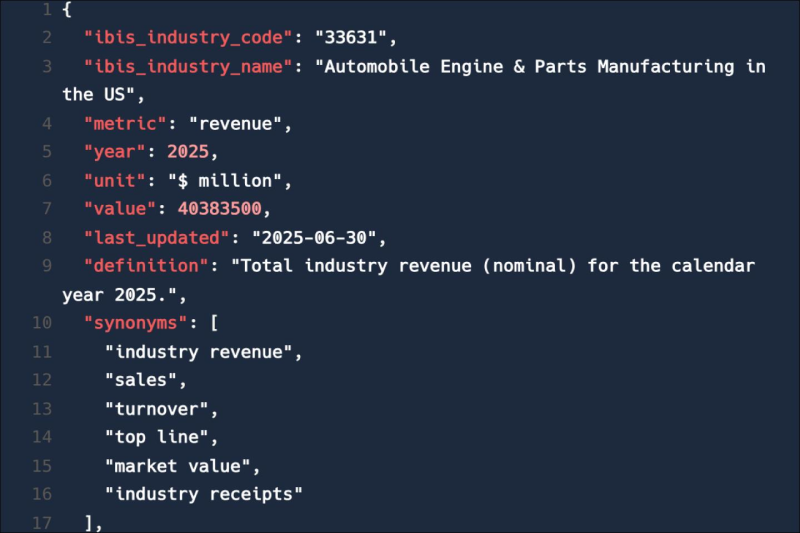
Feed trusted, human-driven industry intelligence straight into your platform.
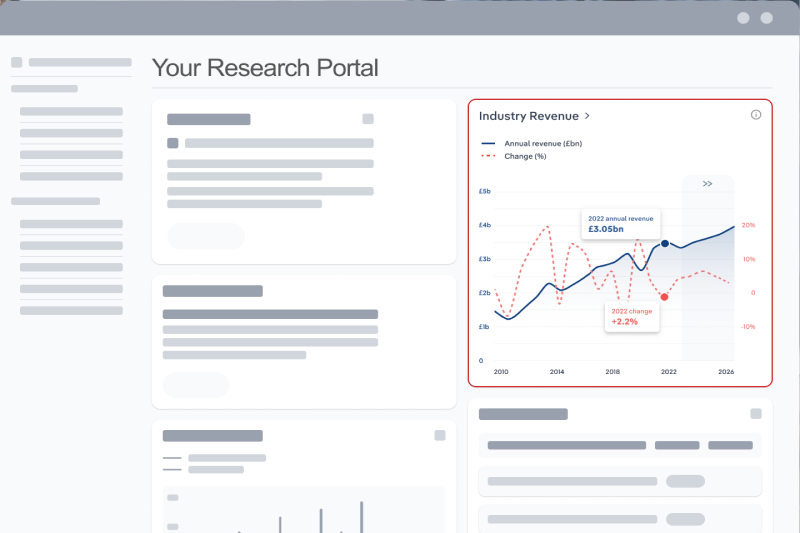
Streamline your workflow with IBISWorld’s intelligence built into your toolkit.
Explore industries with similar markets, supply chains, and economic drivers to gain broader context and insights.
| Industry | Country | Last 5-yr CAGR | Forecast 5-year CAGR | Revenue |
|---|---|---|---|---|
| Gas Supply in New Zealand |

|
XX% | XX% | $XX |
| Non-Ferrous Metal Product Manufacturing in New Zealand |
|
XX% | XX% | $XX |
| Electricity Transmission and Distribution in New Zealand |
|
XX% | XX% | $XX |
When the stakes are high, you need intelligence that cuts through the noise—wherever you work.
The electricity service price index in New Zealand in 2026 was 1,000 index points.
The electricity service price index in New Zealand grew by 4.52% in 2026.
IBISWorld’s data and analysis on electricity service price index in New Zealand includes forecasted growth rates over the next five years.