
IBISWorld Platform
Answer any industry question in minutes with our entire database at your fingertips.

After two challenging years marked by oversupply and destocking, IBISWorld forecasts the domestic price of wine grapes to rise by 1.1% in 2025-26, to 97.1 index points. A moderate recovery in export volumes, supported by MPI and Stats NZ data, is expected to contribute to upwards price pressure, despite an expected large 2025 harvest. Stabilising demand and improved export performance are set to encourage wineries to bid more competitively for grapes. At the same time, limited tank space in 2025 saw some Marlborough growers leave lower-value fruit unpicked. This pattern highlights a market shift towards higher-quality grapes. These factors are culminating in a price climb in 2025-26. The Wine Production industry has faced volatile conditions over the past five years. A major source of demand at the beginning of the period was from wine tourism. This trend supported higher prices as consumers increasingly purchased premium wines directly from producers. In addition, strong export demand has also supported prices, particularly as New Zealand wine has gained a stronger reputation in export markets. Mixed weather conditions have affected prices significantly, like when Cyclone Gabrielle hit New Zealand's North Island in February 2023. The cyclone reduced the volume of harvested and crushed grapes.The United States is the largest export market by value, which is significant because, as a mature market, the main demand is for premium wine. COVID-19 restrictions impacted demand for wine in both the domestic and overseas markets for much of the period. However, these restrictions have since eased. The introduction of a 15% U.S. import duty on New Zealand wine from April 2025 has created new pricing pressure. This is expected to reduce export volumes or compress exporter margins from the US, both of which could dampen grape prices paid by wineries in 2025-26. This is set to temper the wine grape price increase in 2025-26. The depreciation of the New Zealand dollar has aided wine exports and supported wine grape prices since 2022. As New Zealand wine products have become more affordable in international markets, the Grape-Growing industry has been able to sustain higher prices for most of the period. Overall, IBISWorld forecasts the domestic price of wine grapes to rise at a compound annual rate of 1.6% over the five years through 2025-26.
Curious about what drives these trends? IBISWorld's analyst coverage on the domestic price of wine grapes includes detailled analysis on the current performance, outlook and industries affected.
2002-2033
This report analyses the domestic price of wine grapes in New Zealand. The data is based on New Zealand dollar per tonne price of wine grapes, and is sourced from the New Zealand Winegrowers Annual Report. It is measured as an index, and is presented in financial years, with a designated base year of 2021-22.
IBISWorld Industry Reports are available in multiple formats to fit seamlessly into your workflow.

Answer any industry question in minutes with our entire database at your fingertips.
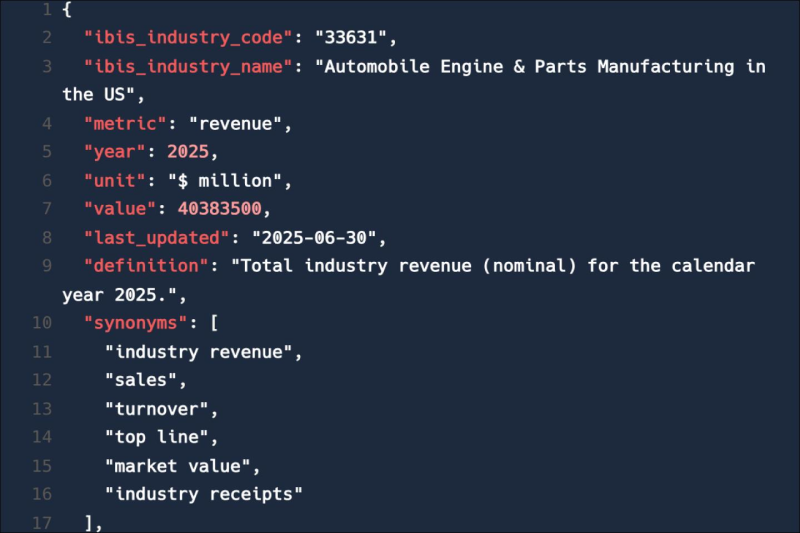
Feed trusted, human-driven industry intelligence straight into your platform.

Streamline your workflow with IBISWorld’s intelligence built into your toolkit.
Explore industries with similar markets, supply chains, and economic drivers to gain broader context and insights.
| Industry | Country | Last 5-yr CAGR | Forecast 5-year CAGR | Revenue |
|---|---|---|---|---|
| Grape Growing in New Zealand |

|
XX% | XX% | $XX |
| Wine Production in New Zealand |
|
XX% | XX% | $XX |
When the stakes are high, you need intelligence that cuts through the noise—wherever you work.
The domestic price of wine grapes in New Zealand in 2026 was 97.12 index points.
The domestic price of wine grapes in New Zealand grew by 1.62% in 2026.
IBISWorld’s data and analysis on domestic price of wine grapes in New Zealand includes forecasted growth rates over the next five years.