
IBISWorld Platform
Answer any industry question in minutes with our entire database at your fingertips.

IBISWorld expects the domestic price of timber to rise by 1.7% in 2025-26, to $134.5. The increase reflects a modest recovery in demand from timber wholesalers and sawmills as residential construction activity begins to stabilise following earlier declines in dwelling consents. Harvested wood volumes remain relatively high, but balanced export demand and firm pulp prices are expected to support a small uplift in domestic pricing. A weaker New Zealand dollar has also contributed to higher local prices by boosting the competitiveness of exports and raising the cost of imported substitutes.Over the past five years, timber prices have been shaped by volatility in both global and domestic markets. The world price of wood pulp has swung sharply, with China's demand for New Zealand radiata pine providing intermittent support for local exporters. Radiata pine accounts for about 90% of New Zealand's harvested forests, according to the Ministry for Primary Industries, and remains sought after for its consistency and quality. A weaker New Zealand dollar has also bolstered export competitiveness, making imported timber relatively more expensive in the local market. With more than 55% of harvested wood exported, strong offshore demand has often placed a floor under domestic pricing, even as local demand fluctuated.Domestic conditions have been mixed. Demand from forestry and logging, along with timber wholesaling, has been constrained by cyclical swings in construction activity since the COVID-19 pandemic. A surge in dwelling consents during 2021–22 temporarily boosted domestic demand, but weaker property market conditions and rising interest rates have since dampened building activity. Population growth and elevated property prices have supported underlying long-term demand, but in the short term, these factors have not been enough to prevent a pullback in prices. Overall, IBISWorld estimates the domestic price of timber will increase at a compound annual rate of 1.0% over the five years through 2025-26.
Curious about what drives these trends? IBISWorld's analyst coverage on the domestic price of timber includes detailled analysis on the current performance, outlook and industries affected.
1994-2033
This report analyses the domestic price of timber. Data for this report is sourced from the Ministry for Primary Industries (Manatu Ahu Matua) and represents a weighted average price for all grades of timber. Prices are measured in nominal New Zealand dollars and presented in financial years.
IBISWorld Industry Reports are available in multiple formats to fit seamlessly into your workflow.

Answer any industry question in minutes with our entire database at your fingertips.
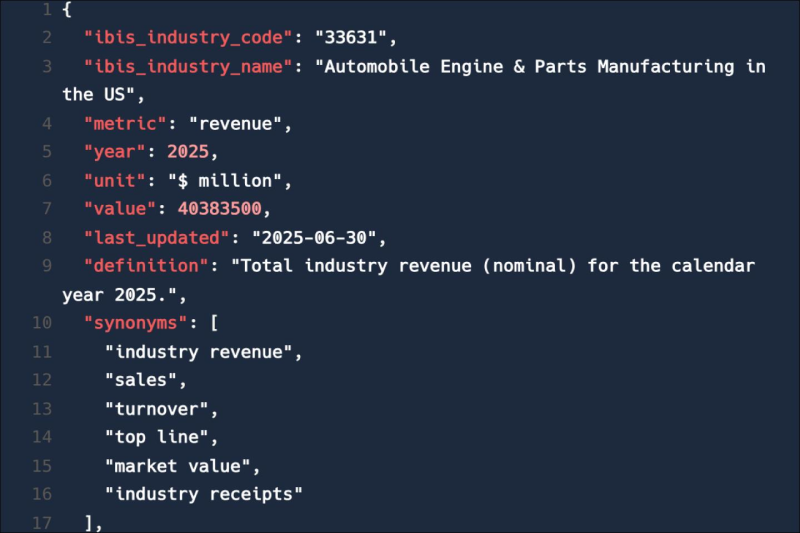
Feed trusted, human-driven industry intelligence straight into your platform.
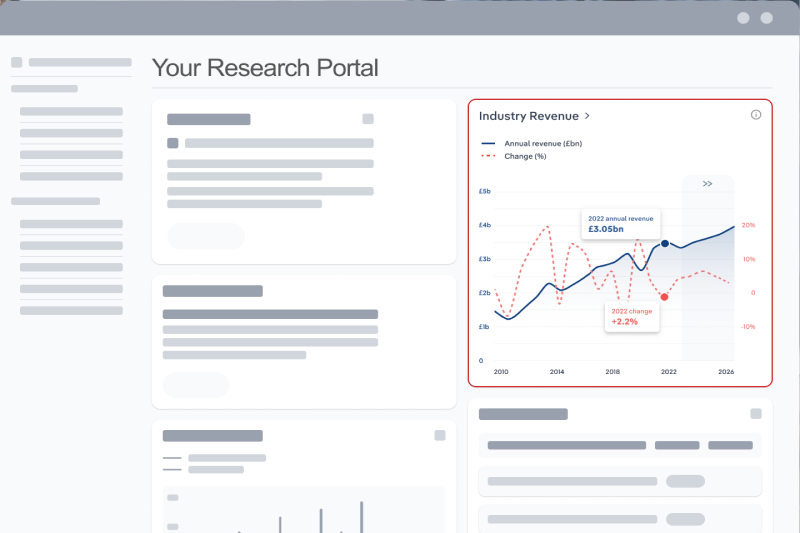
Streamline your workflow with IBISWorld’s intelligence built into your toolkit.
Explore industries with similar markets, supply chains, and economic drivers to gain broader context and insights.
| Industry | Country | Last 5-yr CAGR | Forecast 5-year CAGR | Revenue |
|---|---|---|---|---|
| Forestry and Logging in New Zealand |

|
XX% | XX% | $XX |
| Log Sawmilling in New Zealand |
|
XX% | XX% | $XX |
| Wood Chipping in New Zealand |
|
XX% | XX% | $XX |
| Wooden Structural Fitting and Component Manufacturing in New Zealand |
|
XX% | XX% | $XX |
| Fabricated Wood Manufacturing in New Zealand |
|
XX% | XX% | $XX |
| Timber Resawing and Dressing in New Zealand |
|
XX% | XX% | $XX |
| Timber Wholesaling in New Zealand |
|
XX% | XX% | $XX |
When the stakes are high, you need intelligence that cuts through the noise—wherever you work.
The domestic price of timber in New Zealand in 2026 was 134.5 $.
The domestic price of timber in New Zealand grew by 1% in 2026.
IBISWorld’s data and analysis on domestic price of timber in New Zealand includes forecasted growth rates over the next five years.