
IBISWorld Platform
Answer any industry question in minutes with our entire database at your fingertips.

IBISWorld forecasts the domestic price of milk to push up by 0.7% in 2025-26, reaching 118.5 index points. With more than 95% of New Zealand's milk exported, according to the Dairy Companies Association of New Zealand, domestic prices are largely dictated by global markets rather than local consumption. In 2025, sluggish demand growth in China and other Asian economies has weighed on Global Dairy Trade (GDT) auction results, with the FAO's dairy price index also easing through mid-2025. These developments have produced only a marginal gain in New Zealand's domestic milk price index this year.The current stabilisation follows a volatile period. Pandemic-era disruptions from 2020 to 2022 pushed freight costs to record highs and lifted feed and fertiliser prices, straining profitability for producers and inflating consumer prices. Adverse weather compounded these pressures, leading to reduced milk production across New Zealand and other exporters like the EU and the United States. These conditions contributed to the sharp rise in domestic prices in 2021-22 and maintained elevated levels through 2022-23, before easing as supply chains recovered.Export dynamics have continued to reinforce local pricing trends. While recent Chinese demand has softened, income growth in South-East Asia has supported consumption of processed dairy, maintaining strong export volumes overall. The New Zealand dollar weakened through the first half of 2025 as the Reserve Bank cut rates, improving exporter returns and limiting downwards price adjustments domestically. Farmgate signals have reflected similar dynamics, with Fonterra opening its 2025-26 payout range at a relatively high level, reinforcing that global markets remain supportive despite short-term demand softness. Overall, IBISWorld estimates the domestic milk price index to increase at a compound annual rate of 3.5% over the five years through 2025-26.
Curious about what drives these trends? IBISWorld's analyst coverage on the domestic price of milk includes detailled analysis on the current performance, outlook and industries affected.
1982-2033
This report analyses trends in the domestic price of fluid milk. Data is represented as the consumer price index for fresh milk. The index has a base of 100.0, with 2020-21 designated as the base year. The data for this report is sourced from Statistics New Zealand (Tatauranga Aotearoa) and is presented in financial years.
IBISWorld Industry Reports are available in multiple formats to fit seamlessly into your workflow.

Answer any industry question in minutes with our entire database at your fingertips.
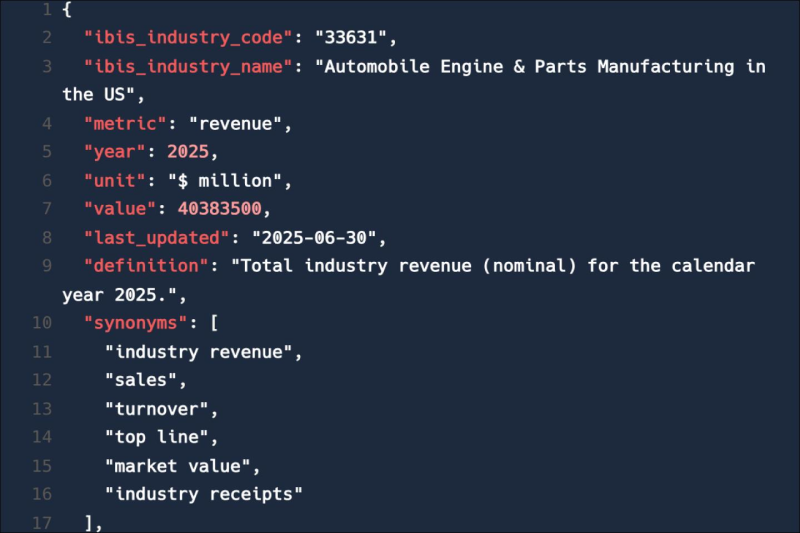
Feed trusted, human-driven industry intelligence straight into your platform.
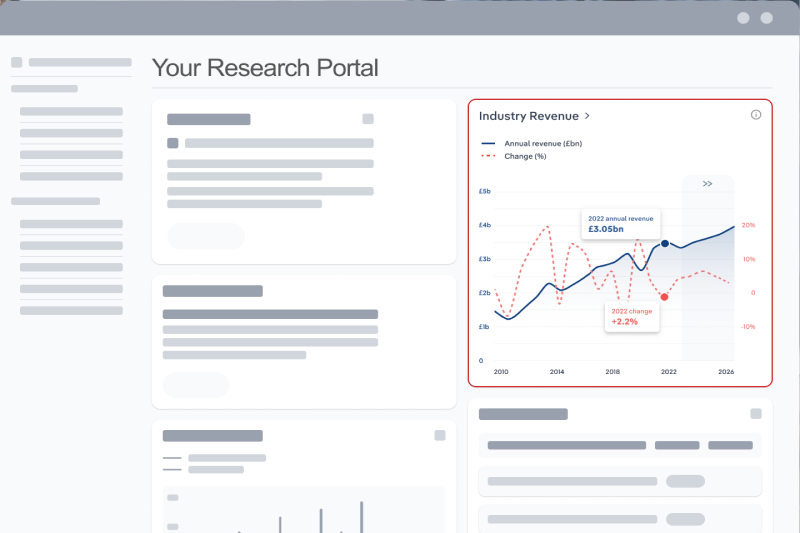
Streamline your workflow with IBISWorld’s intelligence built into your toolkit.
Explore industries with similar markets, supply chains, and economic drivers to gain broader context and insights.
| Industry | Country | Last 5-yr CAGR | Forecast 5-year CAGR | Revenue |
|---|---|---|---|---|
| Dairy Cattle Farming in New Zealand |

|
XX% | XX% | $XX |
| Milk and Cream Processing in New Zealand |
|
XX% | XX% | $XX |
| Agribusiness in New Zealand |
|
XX% | XX% | $XX |
When the stakes are high, you need intelligence that cuts through the noise—wherever you work.
The domestic price of milk in New Zealand in 2026 was 118.5 index points.
The domestic price of milk in New Zealand grew by 3.45% in 2026.
IBISWorld’s data and analysis on domestic price of milk in New Zealand includes forecasted growth rates over the next five years.