
IBISWorld Platform
Answer any industry question in minutes with our entire database at your fingertips.

IBISWorld forecasts the domestic price of fruit to increase by 3.4% in 2025-26, reaching 128.3 index points. Fruit and vegetable consumption is expected to rebound in 2025–26 as easing cost-of-living pressures and improved household sentiment lift grocery demand. This recovery is likely to support higher retail prices, as supermarkets respond to increased willingness to pay, particularly for premium and organic fruit varieties. Lingering soil health issues and heightened tree death stemming from the lasting impacts of Cyclone Gabrielle are also expected to weigh on yields in 2025-26. Constraints on supply will also place upwards pressure on fruit prices throughout the year.In February 2023, Cyclone Gabrielle devastated key pip fruit regions in Hawke's Bay, destroying over 610 hectares of apple orchards and causing estimated losses of $1.4 billion. This caused fruit prices to skyrocket in 2022-23 and 2023-24, marking the highest period of volatility since the late 2000s . The impacts of Cyclone Gabrielle were exacerbated by sharp spikes in fertiliser prices, as the agricultural sector was debilitated by supply chain disruptions stemming from the Russia-Ukraine war.While farmers experienced record-high national rainfall in 2022-23 , conditions have since regressed to the norm across much of the country. This rainfall volatility has contributed to price increases over the past five years. Flood-damaged crops and drought-stressed orchards have tightened supply, pushing domestic fruit prices higher. The Recognised Seasonal Employer scheme has helped farmers maintain labour availability. However, many growers reported higher labour costs in 2023-24, pushing up output prices. Farmers continued to grapple with input costs throughout 2024-25. Despite a decline in the domestic price of fertiliser in 2024–25, imported fertilisers and agricultural chemicals remained relatively expensive due to a weak New Zealand dollar against key trade partners, such as Australia, China and Saudi Arabia. While these input costs did not directly drive fruit price growth, they limited growers' ability to pass on cost savings to consumers, keeping fruit prices elevated despite easing in some farm-level expenses. Despite the challenges faced by farmers, export demand for New Zealand fruit has remained strong, particularly from Asian markets where incomes are rising and demand for premium fresh produce continues to grow. Over the five years through 2025-26, the domestic price of fruit is anticipated to increase at a compound annual rate of 5.8%.
Curious about what drives these trends? IBISWorld's analyst coverage on the domestic price of fruit includes detailled analysis on the current performance, outlook and industries affected.
2000-2033
This report analyses trends in the domestic price of fruit. Data is represented as the consumer price index for fruit. The index has a base of 100.0, with 2021-22 designated as the base year. The data for this report is sourced from Statistics New Zealand (Tatauranga Aotearoa) and is measured in index points per financial year.
IBISWorld Industry Reports are available in multiple formats to fit seamlessly into your workflow.

Answer any industry question in minutes with our entire database at your fingertips.
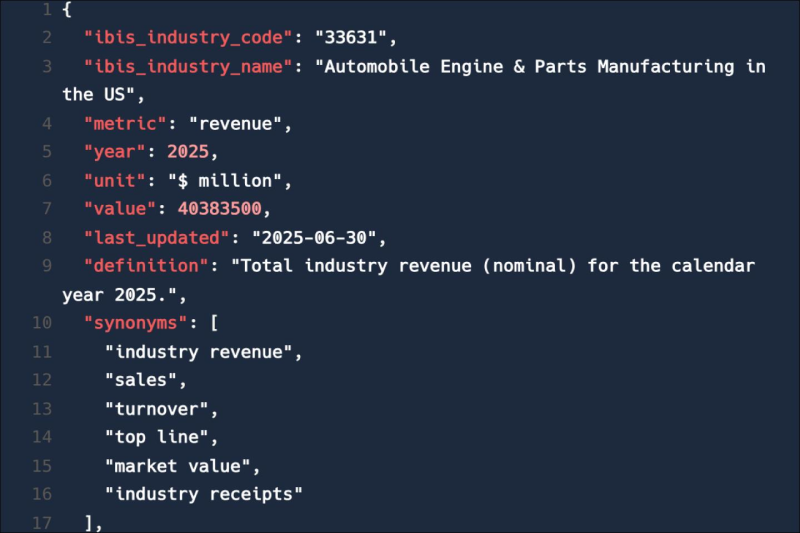
Feed trusted, human-driven industry intelligence straight into your platform.
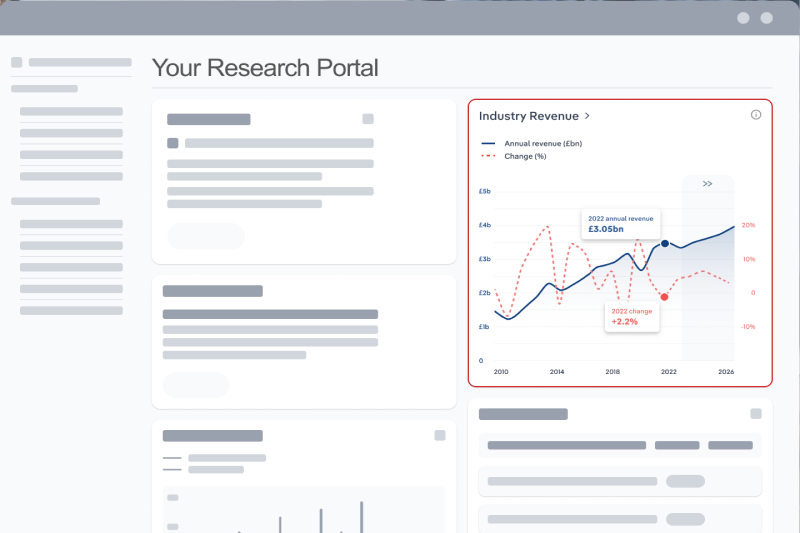
Streamline your workflow with IBISWorld’s intelligence built into your toolkit.
Explore industries with similar markets, supply chains, and economic drivers to gain broader context and insights.
| Industry | Country | Last 5-yr CAGR | Forecast 5-year CAGR | Revenue |
|---|---|---|---|---|
| Apple, Citrus and Other Fruit and Nut Growing in New Zealand |

|
XX% | XX% | $XX |
| Fruit and Vegetable Wholesaling in New Zealand |
|
XX% | XX% | $XX |
| Kiwifruit and Berry Growing in New Zealand |
|
XX% | XX% | $XX |
| Specialised Grocery Retailing in New Zealand |
|
XX% | XX% | $XX |
| Fruit and Vegetable Processing in New Zealand |
|
XX% | XX% | $XX |
When the stakes are high, you need intelligence that cuts through the noise—wherever you work.
The domestic price of fruit in New Zealand in 2026 was 128.3 index points.
The domestic price of fruit in New Zealand grew by 5.82% in 2026.
IBISWorld’s data and analysis on domestic price of fruit in New Zealand includes forecasted growth rates over the next five years.