
IBISWorld Platform
Answer any industry question in minutes with our entire database at your fingertips.

IBISWorld expects the domestic price of feed to rise by 2.0% during 2025-26, to 150.9 index points. As New Zealand imports a significant share of its feed, the domestic price of feed is influenced by global supply and prices of Palm Kernel Extract (PKE), wheat and coarse grains. Although world prices of wheat are falling, along with domestic coarse grain prices, the world price of palm kernel oil has skyrocketed due to adverse weather conditions and labour shortages in key growing locations like Indonesia, Malaysia and Thailand. Furthermore, the New Zealand dollar has depreciated over the past two years due to weak GDP growth and low consumer confidence, which has accelerated inflationary pressures.PKE prices remained elevated over the two years through 2021-22, due to the lasting effects of labour supply disruptions caused by the pandemic as well as adverse weather conditions. Production delays in Indonesia and Malaysia also contributed to this price hike. Palm kernel oil prices plunged over the two years through 2023-24, on the back of improving supply conditions. However, world wheat and grain prices skyrocketed over the two years through 2022-23 due to the war in Ukraine, which reduced global supply, as these countries are major wheat exporters. Despite a drop in 2023-24, they remained substantially above pre-war levels as supply conditions normalised. Rising transport costs due to surging oil prices and a weakening New Zealand dollar placed further upward pressure on imported feed in New Zealand. Additionally, weather events like Cyclone Gabrielle have resulted in a loss of feed, elevating domestic feed prices as supply shortages are exacerbated. World wheat prices are on a downwards trend through 2025-26, with recovering production in key grain-exporting countries supporting global stocks.Livestock farmers purchase feed for their livestock when pasture crop qualities are constrained. Growing conditions for pasture often dictate how much feed is purchased. As a result, the domestic price of feed is greatly influenced by New Zealand weather conditions. Drought conditions lead to poorer pastures, boosting demand for feed and sending prices higher. PKE is predominantly used as a dairy cow feed supplement when pasture supplies are not sufficient. Other supplements include grass silage, corn silage, soy derivatives, barley, corn and wheat grain. Improved growing conditions bolstered domestic wheat and grain harvests, placing downward pressure on domestic coarse grain prices over the two years through 2024-25, moderating the domestic price of feed.Demand for feed is also influenced by the number of livestock in New Zealand. When turn-off rates increase, demand for feed tends to fall, dampening the domestic price of feed. For example, sheep farms tend to hold their livestock for longer when the domestic price of wool is high in a bid to increase wool production. This leads to increased feed requirements, especially in years of insufficient or ill-timed rainfall, when pasture quality declines. Local weather conditions have been volatile over the past five years. Annual rainfall levels fell in 2020-21 but rose sharply in 2021-22 and 2022-23, leading to flooding and contributing to rising feed prices. However, rainfall levels have moderated in the year through 2025-26.Agricultural and production conditions have contributed to rising global supply and domestic demand of feed over the period, directly affecting the price of feed. Increasing international trade costs due to a depreciating New Zealand dollar have further contributed to price hikes. Overall, IBISWorld forecasts that the domestic price of feed will increase at a compound annual rate of 4.6% over the five years through 2025-26.
Curious about what drives these trends? IBISWorld's analyst coverage on the domestic price of feed includes detailled analysis on the current performance, outlook and industries affected.
1984-2033
This report analyses the price paid by farmers for feed, which is used as an input in farming production. The price is presented as an index, with a base year of 2013-14. The index represents movements in the average price paid for feed. Data for this report is sourced from Statistics New Zealand (Tatauranga Aotearoa) and is recorded as an average price over each financial year.
IBISWorld Industry Reports are available in multiple formats to fit seamlessly into your workflow.

Answer any industry question in minutes with our entire database at your fingertips.
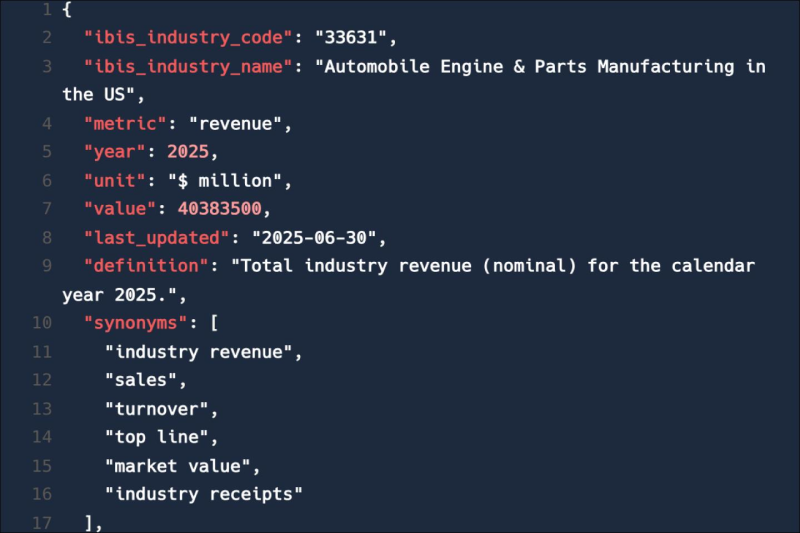
Feed trusted, human-driven industry intelligence straight into your platform.
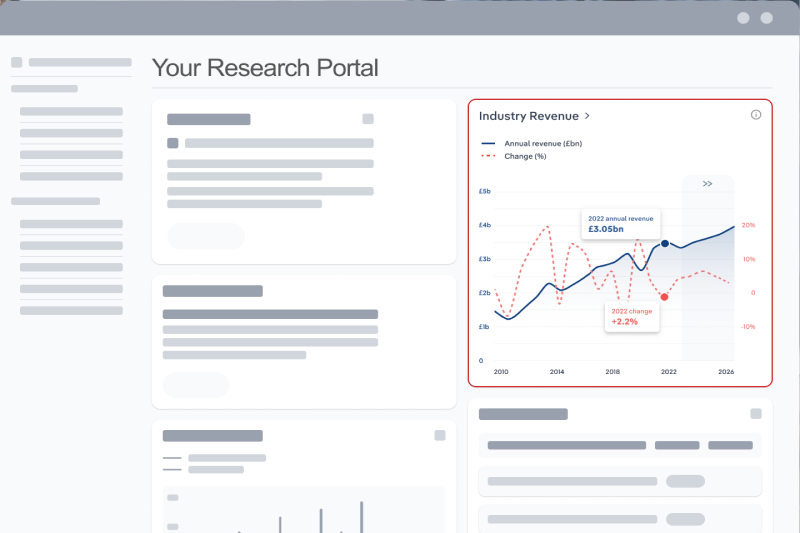
Streamline your workflow with IBISWorld’s intelligence built into your toolkit.
Explore industries with similar markets, supply chains, and economic drivers to gain broader context and insights.
When the stakes are high, you need intelligence that cuts through the noise—wherever you work.
The domestic price of feed in New Zealand in 2026 was 150.9 index points.
The domestic price of feed in New Zealand grew by 4.64% in 2026.
IBISWorld’s data and analysis on domestic price of feed in New Zealand includes forecasted growth rates over the next five years.