
IBISWorld Platform
Answer any industry question in minutes with our entire database at your fingertips.

IBISWorld forecasts the domestic price of eggs to increase 1.4% in 2025-26, to reach 101.4 index points. A phased legislative ban was imposed on the use of battery cages for hens, which was completed on 1 January 2023. Woolworths New Zealand has announced its move to cage-free eggs by the end of 2025. This is likely to push up the prices of eggs in the current year. Demand for barn and free-range eggs is increasing, as consumer concern for animal welfare rises. The cost of production of these categories of eggs is significantly higher than that of cage eggs, also leading to an increase in prices. However, stabilising supply conditions have limited further price rises in the current year.Egg producers in New Zealand have been making the transition away from conventional cage eggs since the introduction of the Code of Welfare for Layer Hens in 2012. The code set a deadline for the phasing out of the use of conventional cages by the end of 2022. The move has hindered egg production over the past five years, while at the same time, it has encouraged demand as more consumers seek to purchase cage-free eggs. As a result, New Zealand experienced an egg shortage in 2019-20, as farmers moved away from conventional cages while demand continued to rise. The increased demand caused a significant rise in the domestic price of eggs in 2019-20. Furthermore, the price of eggs, similar to many other groceries, shot up during the peak of the COVID-19 pandemic. Additionally, supply chain disruptions and inflationary pressures over the three years through 2023-24 further increased egg prices, as rising costs were passed onto consumers. Input costs, mainly of feed, also soared due to inflationary pressures. Ukraine, being a major exporter of feed, caused global feed prices to surge following the Russia-Ukraine conflict.Domestic demand for eggs has increased over the past five years. Rising health consciousness has led consumers to add eggs to their diets as organisations like the Heart Foundation suggest that they can form a part of a healthy eating regimen. Increasing concerns over animal welfare have boosted demand for the more labour-intensive and therefore more expensive free-range eggs. These factors, along with surging input prices including the rising cost of fuel to transport eggs from barn to shelves, have contributed to higher egg prices. However, supply conditions have improved over the past year, with a rebound in the hen population causing a price fall in 2024-25. Overall, IBISWorld forecasts the domestic price of eggs to rise at a compound annual rate of 13.2% over the five years through 2025-26.
Curious about what drives these trends? IBISWorld's analyst coverage on the domestic price of eggs includes detailled analysis on the current performance, outlook and industries affected.
1990-2033
This report analyses the domestic price of eggs, including conventional cage eggs, colony cage eggs, barn eggs and free-range eggs. This data is sourced from Statistics New Zealand (Tatauranga Aotearoa). The price is measured in index points, and is presented in financial years, with a base year of 2024-25.
IBISWorld Industry Reports are available in multiple formats to fit seamlessly into your workflow.

Answer any industry question in minutes with our entire database at your fingertips.
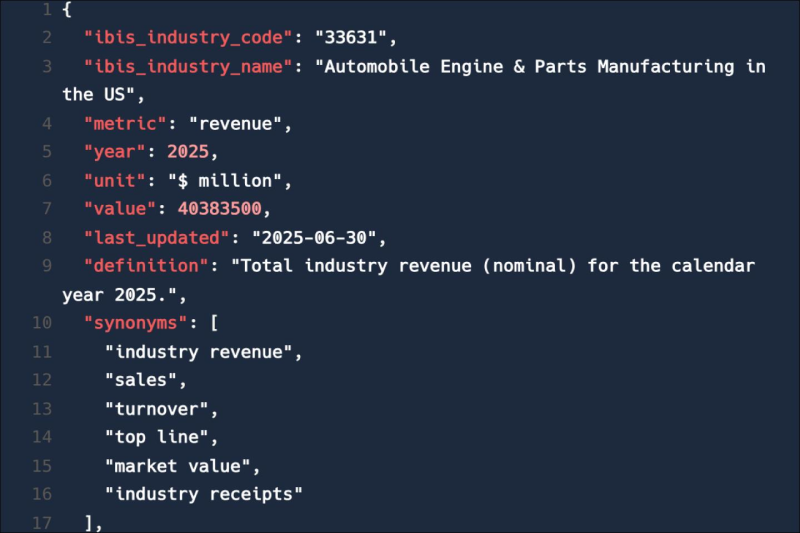
Feed trusted, human-driven industry intelligence straight into your platform.
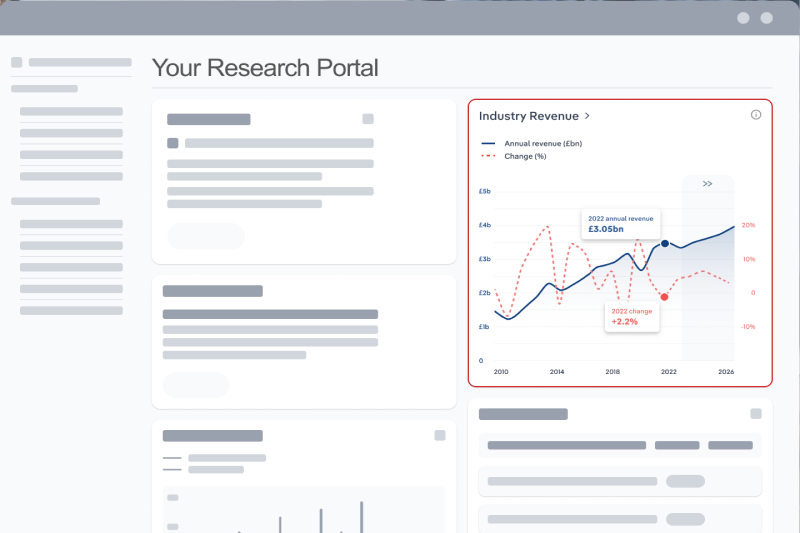
Streamline your workflow with IBISWorld’s intelligence built into your toolkit.
Explore industries with similar markets, supply chains, and economic drivers to gain broader context and insights.
| Industry | Country | Last 5-yr CAGR | Forecast 5-year CAGR | Revenue |
|---|---|---|---|---|
| Poultry Meat and Egg Farming in New Zealand |

|
XX% | XX% | $XX |
When the stakes are high, you need intelligence that cuts through the noise—wherever you work.
The domestic price of eggs in New Zealand in 2026 was 101.4 index points.
The domestic price of eggs in New Zealand grew by 13.22% in 2026.
IBISWorld’s data and analysis on domestic price of eggs in New Zealand includes forecasted growth rates over the next five years.