
IBISWorld Platform
Answer any industry question in minutes with our entire database at your fingertips.

IBISWorld forecasts the domestic price of beef to climb by 7.0% in 2025-26 to reach 158.9 index points. Domestic per capita beef and veal production is projected to rise during the year, as the national beef cattle herd climbs slightly and more cattle are slaughtered. Domestic consumption will remain relatively stable, but a rise in export prices, which provides farmers with a selling opportunity, will put pressure on the local market supply. This, in turn, will put pressure on domestic beef prices to rise in 2025-26, driven by increased beef exports. Falling production from Australia and Brazil has strengthened demand for New Zealand beef.The domestic price of beef is influenced by a range of factors. A substantial majority of beef produced in New Zealand is expected to be exported, with exports having increased as a share of production over the past five years. As a result, domestic beef prices are heavily influenced by international supply and demand conditions. In 2019-20, China overtook the United States as the largest destination for New Zealand beef. Outbreaks of African Swine Fever (ASF) led to a substantial protein shortage, which boosted demand for New Zealand beef substantially. Subsequent outbreaks of ASF in other countries in Asia and Europe, as well as outbreaks of lumpy skin disease and foot-and-mouth disease in Indonesia and other countries in the Asia-Pacific region, have tightened global beef supplies in recent years. However, in 2023-24, the United States again overtook China as the number one destination, with local supply there impacted by drought.Beef prices are also influenced by domestic supply and demand conditions. Per capita beef consumption has fallen over the past five years. Rising health consciousness has led some consumers to seek out lean sources of protein, which are sometimes perceived as healthier, such as poultry. The volume of beef and veal production in a given year also affects domestic beef prices. Adverse weather conditions, such as low rainfall, can increase feed costs and constrain beef supply, boosting domestic beef prices. Domestic milk prices can also impact beef supply, as during periods of low milk prices, dairy farmers may reduce their herd sizes, thereby increasing the supply of beef and exerting downward pressure on beef prices.Over the past five years, the domestic price of beef has increased robustly. While domestic production volumes have increased, exports have risen at a faster rate and now account for over two-thirds of total production. Higher feed prices and other global supply chain disruptions have also been reflected in higher domestic beef prices for consumers in New Zealand. Overall, IBISWorld anticipates the domestic price of beef to rise at a compound annual rate of 7.0% over the five years through 2025-26.
Curious about what drives these trends? IBISWorld's analyst coverage on the domestic price of beef includes detailled analysis on the current performance, outlook and industries affected.
1990-2033
This report analyses the domestic price of beef, measured by the consumer price index. The index measures domestic prices paid at the retail level for fresh, chilled and frozen beef and veal. The index has a base of 100.0, with 2016-17 designated as the base year. The data for this report is sourced from Statistics New Zealand (Tatauranga Aotearoa) and is presented in financial years.
IBISWorld Industry Reports are available in multiple formats to fit seamlessly into your workflow.
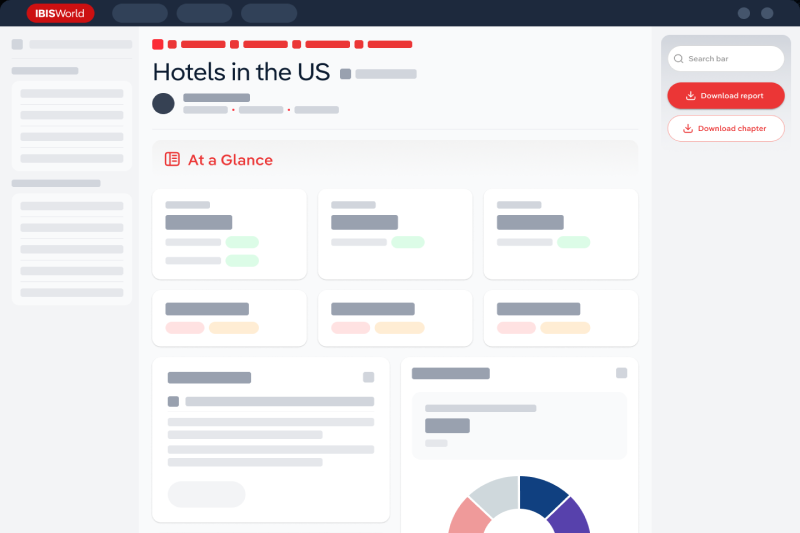
Answer any industry question in minutes with our entire database at your fingertips.
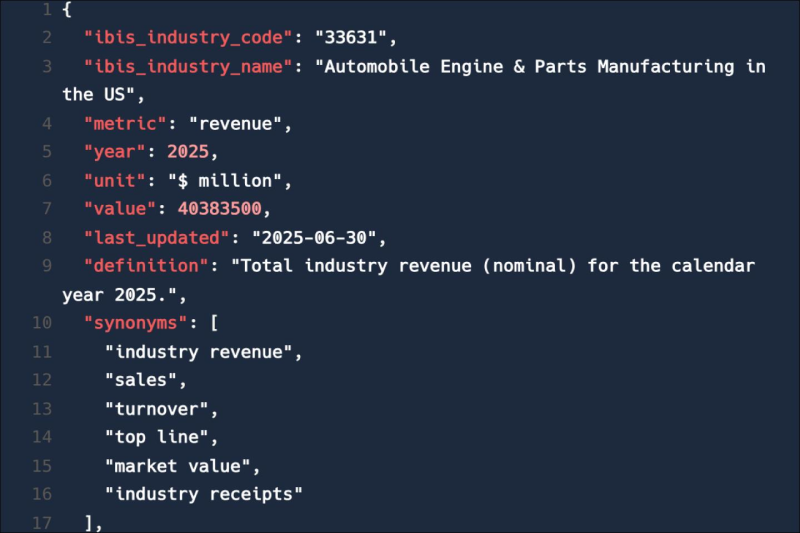
Feed trusted, human-driven industry intelligence straight into your platform.
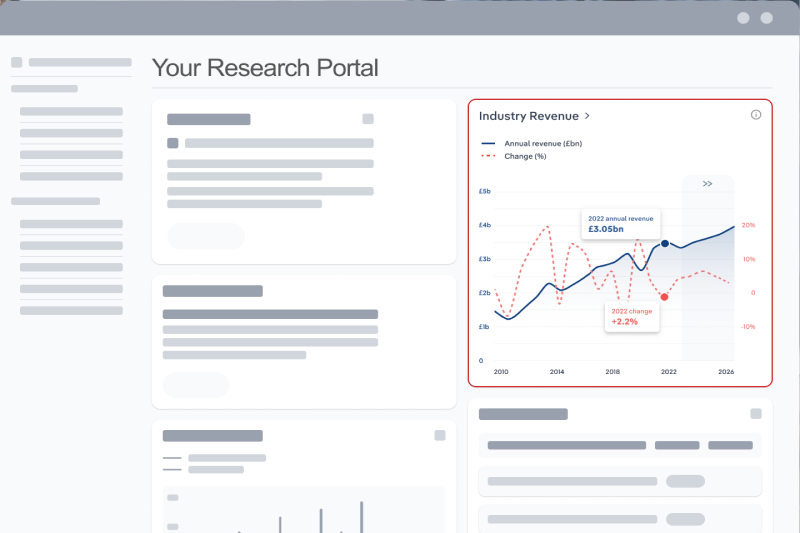
Streamline your workflow with IBISWorld’s intelligence built into your toolkit.
Explore industries with similar markets, supply chains, and economic drivers to gain broader context and insights.
| Industry | Country | Last 5-yr CAGR | Forecast 5-year CAGR | Revenue |
|---|---|---|---|---|
| Beef Cattle Farming in New Zealand |

|
XX% | XX% | $XX |
| Sheep-Beef Cattle Farming in New Zealand |
|
XX% | XX% | $XX |
| Poultry Processing in New Zealand |
|
XX% | XX% | $XX |
When the stakes are high, you need intelligence that cuts through the noise—wherever you work.
The domestic price of beef in New Zealand in 2026 was 158.9 index points.
The domestic price of beef in New Zealand grew by 7.04% in 2026.
IBISWorld’s data and analysis on domestic price of beef in New Zealand includes forecasted growth rates over the next five years.