
IBISWorld Platform
Answer any industry question in minutes with our entire database at your fingertips.

IBISWorld forecasts the CPI to increase by 2.4% in 2025-26, to reach 1,182.0 index points, continuing the recent trend of lower inflation following the elevated rates experienced between 2021–22 and 2023–24. The easing in CPI growth reflects the impact of the Reserve Bank of New Zealand's (Te Putea Matua) (RBNZ) previously elevated cash rate, which helped rein in inflation. With inflation now returning to within the RBNZ's 1–3% target band, monetary policy has begun to shift, with the cash rate now being lowered to support broader economic activity. Falling petrol prices have also helped contain inflationary pressures, contributing to the softer CPI growth in 2025–26.Over the two years through 2022–23, supply chain disruptions and rising oil prices drove up input costs, contributing to significantly elevated inflation. In particular, rising retail petrol and diesel prices increased transport costs and ultimately drove up the CPI. The RBNZ raised the cash rate in an attempt to maintain price stability and facilitate sustainable employment. Higher interest rates made it more expensive to borrow, while restricting spending on goods and services. This helped limit growth in spending despite strong population growth driving up aggregate demand, reducing CPI growth during 2024-25. The RBNZ has stated the difficulties that strong population growth has created in limiting inflation, and despite a cooling labour market, is still among the most hawkish reserve banks in maintaining the cash rate.The aim of the RBNZ inflation-wise is to keep future CPI inflation outcomes between 1.0% and 3.0% on average over the medium term. Furthermore, there is a focus on keeping average inflation near the 2.0% target midpoint. The RBNZ tries to accomplish that goal by using a number of monetary policy instruments, like through setting the cash rate. After increasing the cash rate from October 2021 to May 2023, the RBNZ held the rate at a peak level until August 2024. With inflation easing and economic conditions softening, it has since begun lowering the cash rate to support growth.New Zealand's inflation rate has been high over the past five years, by historical standards, almost double the RBNZ's average inflation target. The RBNZ, like many reserve banks around the world, has been required to perform some of the most rapid rate increases in decades, after a near-zero cash rate during the pandemic. Overall, IBISWorld forecasts the CPI will increase at a compound annual rate of 4.5% over the five years through 2025-26.
Curious about what drives these trends? IBISWorld's analyst coverage on the consumer price index includes detailled analysis on the current performance, outlook and industries affected.
1980-2033
This report analyses trends in the consumer price index (CPI). The CPI measures the changing price of the goods and services New Zealand households buy. It is the standard measure of the rate of inflation in New Zealand. The index has a base of 1,000.0, with 2021-22 designated as the base year. The data for this report is sourced from Statistics New Zealand (Tatauranga Aotearoa).
IBISWorld Industry Reports are available in multiple formats to fit seamlessly into your workflow.

Answer any industry question in minutes with our entire database at your fingertips.
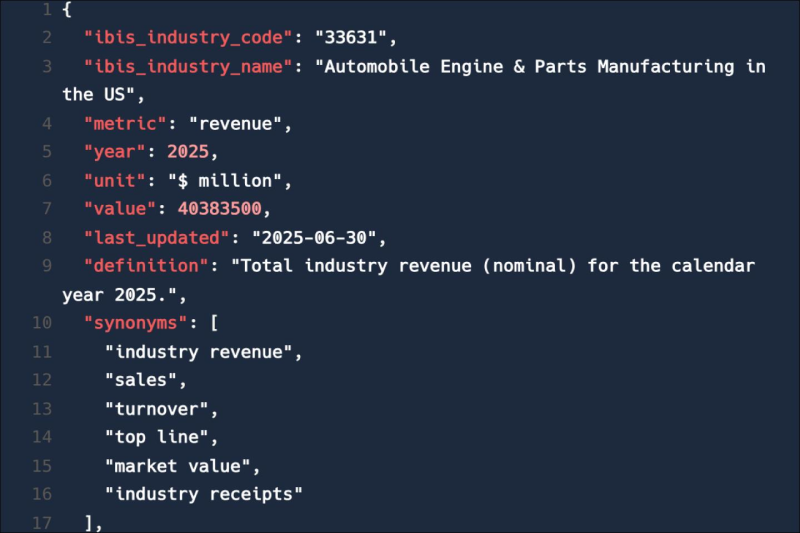
Feed trusted, human-driven industry intelligence straight into your platform.
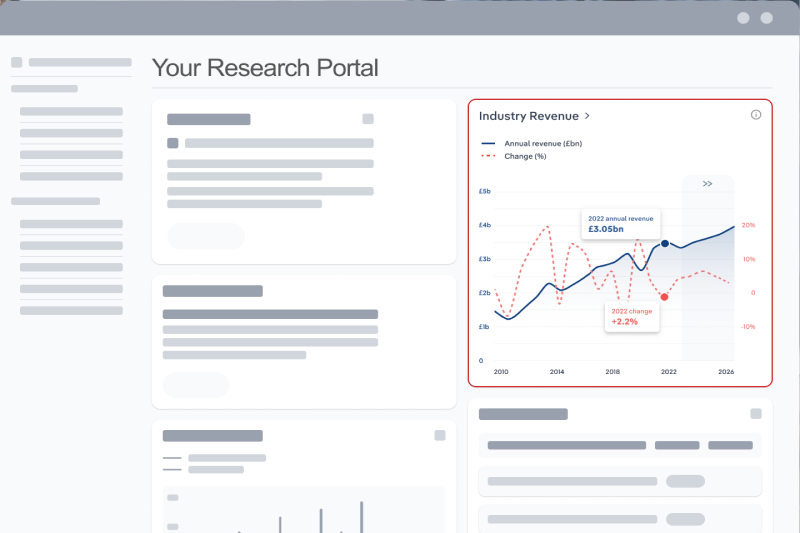
Streamline your workflow with IBISWorld’s intelligence built into your toolkit.
Explore industries with similar markets, supply chains, and economic drivers to gain broader context and insights.
When the stakes are high, you need intelligence that cuts through the noise—wherever you work.
The consumer price index in New Zealand in 2026 was 1,182 index points.
The consumer price index in New Zealand grew by 4.47% in 2026.
IBISWorld’s data and analysis on consumer price index in New Zealand includes forecasted growth rates over the next five years.