
IBISWorld Platform
Answer any industry question in minutes with our entire database at your fingertips.

IBISWorld forecasts the cash rate to inch lower by 0.03 percentage points in 2026-27 to average 2.72% over the year. This fall largely reflects the roll away from the high-interest rate environment that the economy endured during early 2025-26. Following a cycle of rate cuts in mid 2025-26, inflationary pressures could creep back into the economy. Conflict between the United States and Iran has severed oil supply chains, ballooning global energy and shipping costs. These impacts will compound recent inflationary resurgences, illustrated by the 3.1% 12-month rolling inflation rate posted in the first quarter of 2026. If inflation persistently tops the RBNZ's target 1-3% band, the economy could suffer a new bout of contractionary monetary policy, lifting the OCR from its May 2026 levels of 2.25%.While inflationary pressures will support a case for contractionary monetary policy during 2026-27, the RBNZ will closely monitor the unemployment rate. According to March 2026 data from Stats NZ, the labour market remains weak, with an unemployment rate of 5.3% coupled with slowing wage growth. In tough labour-market conditions, consumer demand falls, naturally pressuring inflation down. These conditions could give the RBNZ some wiggle room to take a cautious wait-and-see approach before committing to a new rate-hiking cycle.Still, the monetary policy outlook for 2026-27 offers significantly calmer waters than the economic turmoil experienced between the COVID-19 pandemic and the ensuing series of rate hikes. Following the outbreak of COVID-19, the RBNZ reduced the OCR to 0.25% at an emergency meeting in March 2020. This OCR remained unchanged for much of the pandemic, before rising to 1.0% as economic conditions improved in 2021-22.Under the expansionary monetary policy regime, the economy overheated. Factors like surging energy prices, global supply chain disruptions and tight conditions, compounded against the artificially low-interest-rate environment. This overstretched the economy, leading to inflation reaching 7.2% in both September and December 2022, slightly below the record high of 7.3% in June 2022. As inflation roared past the 1-3% target range, the RBNZ raised the OCR several times over the three years through 2023-24, with the OCR reaching 5.5% in May 2023. Yet, as businesses struggled in a contractionary economic environment, the labour market contracted, and GDP growth stalled. In response, the RBNZ began easing the cash rate in August 2024, aiming to counter the economy's progressive march towards recessionary conditions. Overall, IBISWorld forecass the cash rate to rise at an average annual rate of 0.44 percentage points over the five years through 2026-27.
Curious about what drives these trends? IBISWorld's analyst coverage on the cash rate includes detailled analysis on the current performance, outlook and industries affected.
2000-2033
This report analyses the Official Cash Rate (OCR) of the Reserve Bank of New Zealand (Te Putea Matua). The main objective of the OCR is to maintain price stability (between 1-3% inflation) and support sustainable full employment. The RBNZ influences market interest rates and the cost of borrowing and lending money through its OCR decisions. Interest rates affect the level of household and business spending, which has an impact on the prices of goods and services. The RBNZ generally reviews the OCR every six weeks. The data for this report is sourced from the Reserve Bank of New Zealand and is presented as the average rate over each financial year.
IBISWorld Industry Reports are available in multiple formats to fit seamlessly into your workflow.

Answer any industry question in minutes with our entire database at your fingertips.
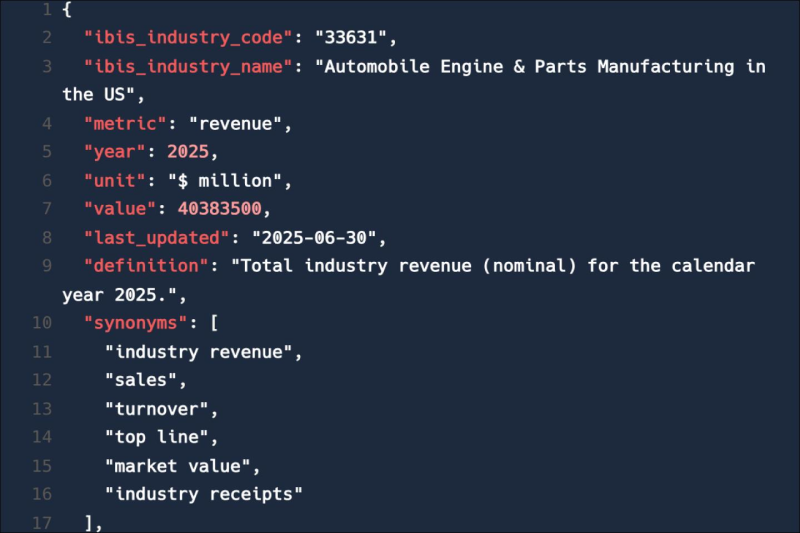
Feed trusted, human-driven industry intelligence straight into your platform.
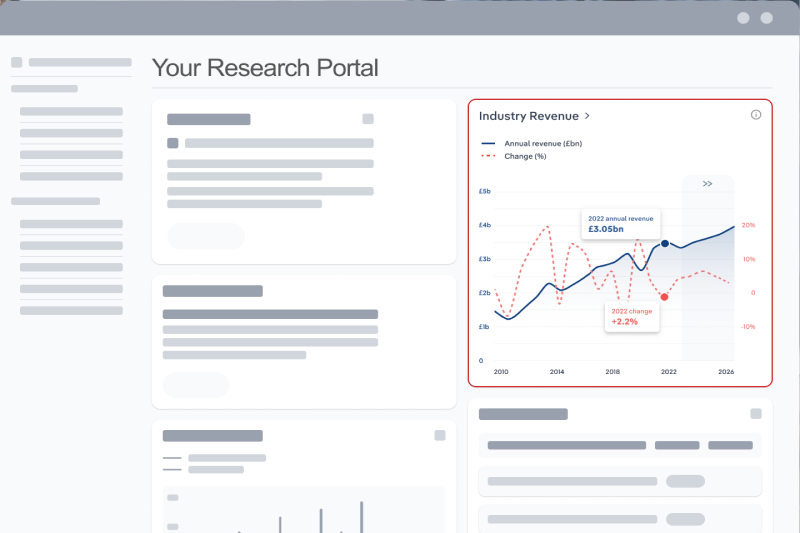
Streamline your workflow with IBISWorld’s intelligence built into your toolkit.
Explore industries with similar markets, supply chains, and economic drivers to gain broader context and insights.
| Industry | Country | Last 5-yr CAGR | Forecast 5-year CAGR | Revenue |
|---|---|---|---|---|
| Banking in New Zealand |

|
XX% | XX% | $XX |
| Non-Banks & Other Financial Institutions in New Zealand |
|
XX% | XX% | $XX |
| Credit Reporting & Debt Collection Services in New Zealand |
|
XX% | XX% | $XX |
| Agricultural Machinery Manufacturing in New Zealand |
|
XX% | XX% | $XX |
| Fund Management & Other Investment Services in New Zealand |
|
XX% | XX% | $XX |
| Financial Asset Broking Services in New Zealand |
|
XX% | XX% | $XX |
| General Insurance in New Zealand |
|
XX% | XX% | $XX |
| Employment Placement & Recruitment Services in New Zealand |
|
XX% | XX% | $XX |
| Furniture Retailing in New Zealand |
|
XX% | XX% | $XX |
When the stakes are high, you need intelligence that cuts through the noise—wherever you work.
The cash rate in New Zealand in 2027 was 2.79 percentage.
The cash rate in New Zealand grew by 0.45% in 2027.
IBISWorld’s data and analysis on cash rate in New Zealand includes forecasted growth rates over the next five years.