
IBISWorld Platform
Answer any industry question in minutes with our entire database at your fingertips.

IBISWorld estimates capital expenditure on residential buildings to fall by 0.7% in 2026-27, to $13.4 billion, as the sector stabilises following a steep contraction since the 2021-22 peak. Capital expenditure on residential buildings continues to fall despite the recovery in dwelling consents, up 16% on the prior year in April 2026, as the rebound in actual building activity has been slower to materialise. A collapse in net migration has weighed on underlying housing demand, with the annual net gain falling to 14,200 in the year to December 2025 from a peak above 135,000 two years earlier, leading to an increase in unsold dwellings that has kept prices flat and limited the incentive to commission new builds. This weakness is compounded by persistently elevated construction costs, among the highest in the developed world, alongside tighter financing conditions and longstanding land-use and regulatory constraints that continue to limit the pipeline of new residential development.The housing supply shortage contributed to the expansion in capital expenditure on residential buildings over the two years through 2021-22. Housing prices in Auckland and Wellington surged over the period, supporting construction activity and residential capital expenditure. In response to a growing housing supply shortage, the Central Government enacted several reforms to improve the situation. It introduced the KiwiBuild program in May 2018, which aimed to support housing affordability by building 100,000 homes by 2027-28; however, the program was scrapped in 2024 after delivering only a small fraction of its target. In March 2021, the Central Government announced the Housing Acceleration Fund, and in May 2022, it introduced the Affordable Housing Fund, both of which aim to boost affordable housing supply.However, significant interest rate hikes in 2022-23 and 2023-24 have negatively impacted affordability and development feasibility in more recent years, pushing down dwelling consents issued and leading to a reduction in capital expenditure on residential buildings, including falls of 12.5% in 2024-25 and 3.6% in 2025-26. Declines in net migration have pulled demand out of the market, further weakening investment. Although the Reserve Bank of New Zealand has since sharply cut the Official Cash Rate from August 2024 to November 2025, financial stress in the construction sector has been acute, accounting for almost a quarter of all company failures in 2025, according to Deloitte. Overall, IBISWorld estimates capital expenditure on residential buildings to fall at a compound annual rate of 4.7% over the five years through the end of 2026-27.
Curious about what drives these trends? IBISWorld's analyst coverage on the capital expenditure on residential buildings includes detailled analysis on the current performance, outlook and industries affected.
1988-2034
This report analyses the level of expenditure on residential buildings, including outlays on new dwellings, including houses, flats and apartments. The value of additions and alterations to domestic buildings, like garages, is also included. Statistics New Zealand (Tatauranga Aotearoa) is the data source for this report, which IBISWorld expresses in billions of chain-adjusted 2009-10 dollars per financial year.
IBISWorld Industry Reports are available in multiple formats to fit seamlessly into your workflow.

Answer any industry question in minutes with our entire database at your fingertips.
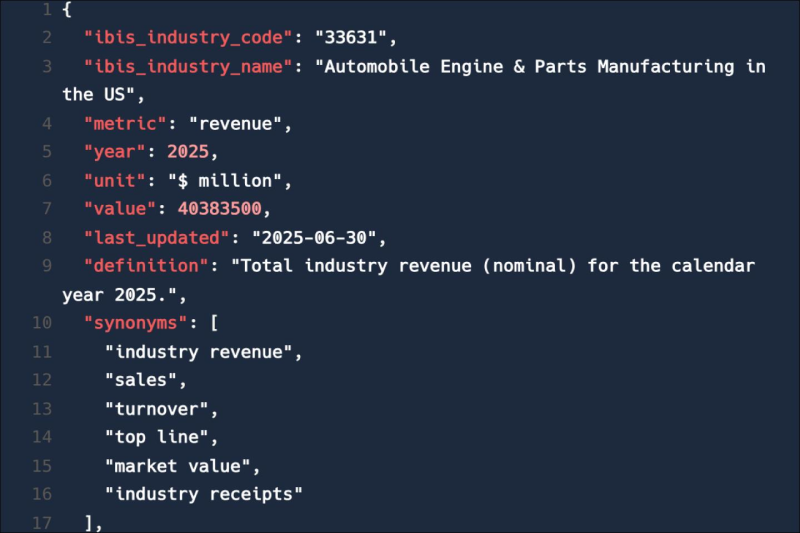
Feed trusted, human-driven industry intelligence straight into your platform.
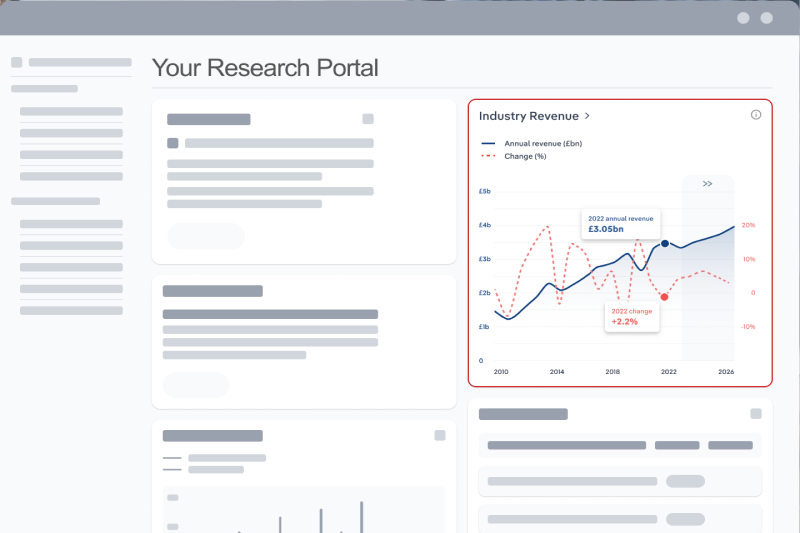
Streamline your workflow with IBISWorld’s intelligence built into your toolkit.
Explore industries with similar markets, supply chains, and economic drivers to gain broader context and insights.
| Industry | Country | Last 5-yr CAGR | Forecast 5-year CAGR | Revenue |
|---|---|---|---|---|
| Multi-Unit Apartment & Townhouse Construction in New Zealand |

|
XX% | XX% | $XX |
| House Construction in New Zealand |
|
XX% | XX% | $XX |
| Electrical Services in New Zealand |
|
XX% | XX% | $XX |
| Floor Covering Retailing in New Zealand |
|
XX% | XX% | $XX |
| Hardware & Building Supply Retailing in New Zealand |
|
XX% | XX% | $XX |
| Wooden Structural Fitting & Component Manufacturing in New Zealand |
|
XX% | XX% | $XX |
| Furniture Retailing in New Zealand |
|
XX% | XX% | $XX |
When the stakes are high, you need intelligence that cuts through the noise—wherever you work.
The capital expenditure on residential buildings in New Zealand in 2027 was $13.4 billion.
The capital expenditure on residential buildings in New Zealand declined by -4.76% in 2027.
IBISWorld’s data and analysis on capital expenditure on residential buildings in New Zealand includes forecasted growth rates over the next five years.