
IBISWorld Platform
Answer any industry question in minutes with our entire database at your fingertips.

IBISWorld forecasts capital expenditure on computer software to rise by 9.0% in 2025-26 to $11.15 billion. A dip in interest rates has supported this trend, with businesses and consumers more inclined to spend on computer software compared to their activity during the inflation peak in 2023-24. Growth-based businesses and tech companies have found obtaining and financing their more expensive business loan repayments challenging over the past couple of years. In addition, downstream consumers and businesses have looked to cut costs on hefty up-front investments, including computer software, leading to a slower growth in expenditure over the past few years.Since the COVID-19 outbreak, spending on technology solutions has dramatically tilted upwards as businesses have adopted more intense remote working arrangements domestically and abroad. Furthermore, the nationwide move to Alert Level 4 in August 2021 renewed investment in technological solutions. On and off pandemic restrictions remained in place for another year, maintaining strong demand for technology solutions. As a share of GDP, capital expenditure on computer software has increased from 2.2% in 2015-16 to an expected 3.8% in 2025-26.Over the past five years, the productive applications of software have expanded. Businesses have shifted operations to online channels and have invested heavily in productivity software, like Artificial Intelligence (AI). Examples of applications in which software has boosted productivity include digital communication, performance monitoring, inventory management and the analysis of consumer purchase data. An area of software development that has displayed robust growth has been the uptake of mobile application software. The expansive technological capabilities of mobile devices have led businesses to offer more services via mobile platforms, including banking or grocery shopping. Overall, IBISWorld forecasts capital expenditure on computer software to increase at a compound annual rate of 9.1% over the five years through 2025-26.
Curious about what drives these trends? IBISWorld's analyst coverage on the capital expenditure on computer software includes detailled analysis on the current performance, outlook and industries affected.
1987-2033
This report analyses total fixed capital expenditure on computer software. This includes software that is purchased externally or developed in-house and capitalised. Software includes computer programs, supporting materials, program descriptions and applications software. The data for this report is sourced from Statistics New Zealand (Tatauranga Aotearoa) and is measured in billions of nominal dollars per financial year.
IBISWorld Industry Reports are available in multiple formats to fit seamlessly into your workflow.

Answer any industry question in minutes with our entire database at your fingertips.
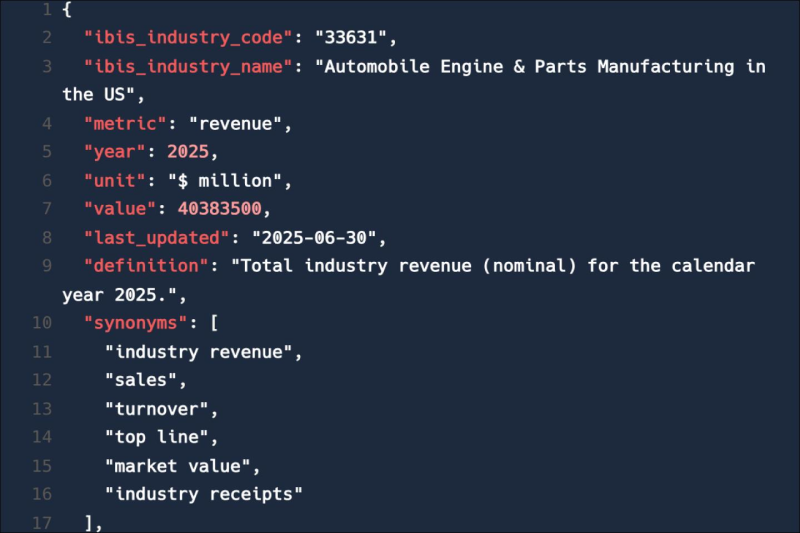
Feed trusted, human-driven industry intelligence straight into your platform.
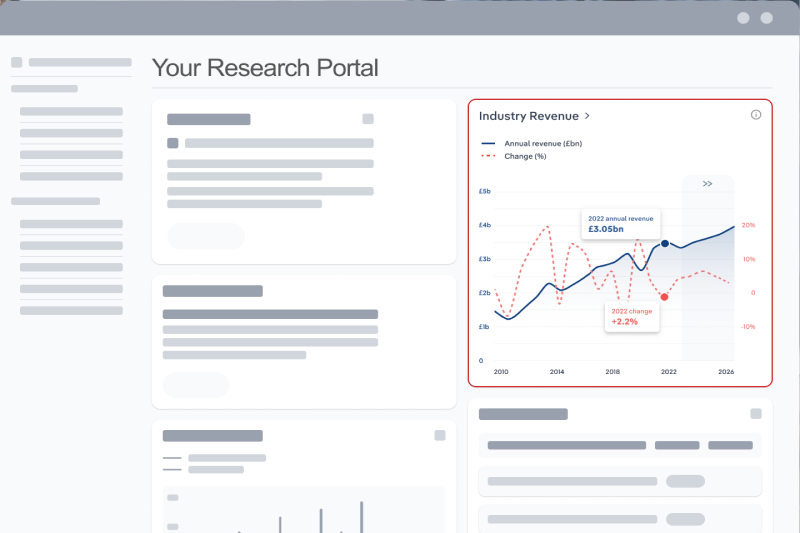
Streamline your workflow with IBISWorld’s intelligence built into your toolkit.
Explore industries with similar markets, supply chains, and economic drivers to gain broader context and insights.
| Industry | Country | Last 5-yr CAGR | Forecast 5-year CAGR | Revenue |
|---|---|---|---|---|
| Computer System Design Services in New Zealand |

|
XX% | XX% | $XX |
| Data Processing and Web Hosting Services in New Zealand |
|
XX% | XX% | $XX |
| Wireless Telecommunications Carriers in New Zealand |
|
XX% | XX% | $XX |
| Office Administration and Document Preparation Services in New Zealand |
|
XX% | XX% | $XX |
| Accounting Services in New Zealand |
|
XX% | XX% | $XX |
When the stakes are high, you need intelligence that cuts through the noise—wherever you work.
The capital expenditure on computer software in New Zealand in 2026 was $11.15 billion.
The capital expenditure on computer software in New Zealand grew by 9.11% in 2026.
IBISWorld’s data and analysis on capital expenditure on computer software in New Zealand includes forecasted growth rates over the next five years.