
IBISWorld Platform
Answer any industry question in minutes with our entire database at your fingertips.

IBISWorld forecasts the business confidence index to retreat by 52.1 index points in 2026-27, to average 100.7. Business confidence entered the year at elevated levels following a sustained recovery, with the ANZ Business Outlook index reaching a 12-year high in January 2026. However, a rapid reversal occurred in the opening months of the 2026-27 financial year, as the escalating Iran-Israel conflict raised energy prices and compounded an already fragile domestic economic environment. In response, the Reserve Bank of New Zealand (Te Putea Matua) is expected to hold rates in the near term before likely tightening later in the financial year, a change which will compound pressure on business confidence.New Zealand entered 2026-27 facing a range of structural challenges that weighed on business sentiment. According to Stats NZ's Labour Market Statistics, the national unemployment rate peaked at approximately 5.5% in late 2025 and early 2026, while GDP growth remained weak at just 0.8% in the year to March 2026, raising concerns of a stagflationary environment. According to Stats NZ's International Migration statistics, net migration from New Zealand deteriorated sharply, with a net loss of approximately 40,760 New Zealand citizens recorded in the year ended November 2025, shrinking the domestic demand base. Youth emigration accelerated, with Stats NZ data showing that approximately 36% of all long-term migrant departures in the year ended November 2025 were aged between 15 and 29, contributing to a tightening skilled labour pool and subdued long-run growth expectations.The business confidence index has remained highly volatile in recent years, a trend that has characterised the index for the better part of the last three decades. The trough of 49.2 in 2022-23 was followed by a sharp rebound as the Reserve Bank of New Zealand (Te Putea Matua) signalled an end to its aggressive tightening cycle and inflation began to moderate. Business confidence recovered strongly through 2023-24, 2024-25 and into 2025-26, reaching elevated levels well above the long-run historical average. The sharp dip forecast for 2026-27 reflects the convergence of domestic structural headwinds and external geopolitical uncertainty, following a period of unusually strong confidence. Overall, IBISWorld forecasts the business confidence index to strengthen at an average annual rate of 3.16 index points over the five years through 2026-27.
Curious about what drives these trends? IBISWorld's analyst coverage on the business confidence index includes detailled analysis on the current performance, outlook and industries affected.
1988-2034
IBISWorld Industry Reports are available in multiple formats to fit seamlessly into your workflow.

Answer any industry question in minutes with our entire database at your fingertips.
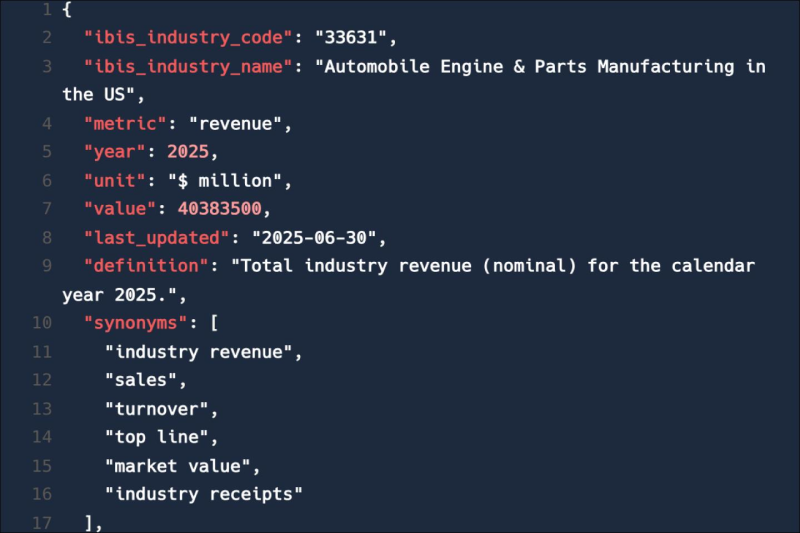
Feed trusted, human-driven industry intelligence straight into your platform.
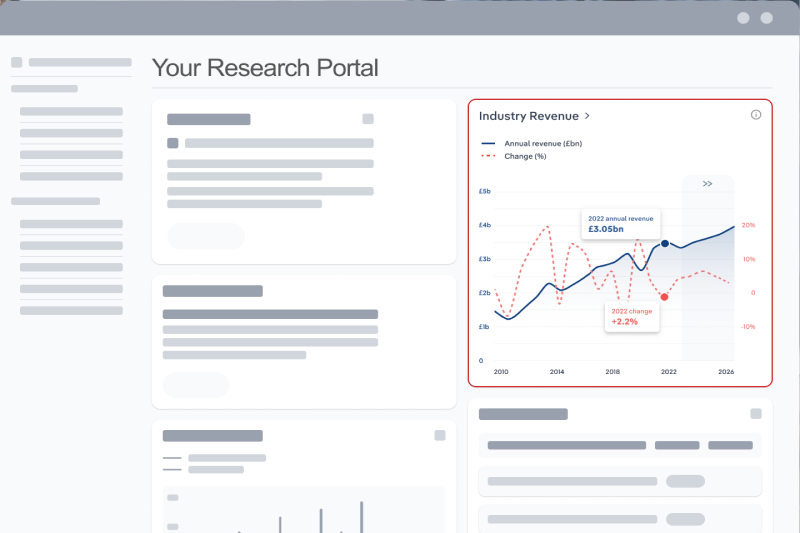
Streamline your workflow with IBISWorld’s intelligence built into your toolkit.
Explore industries with similar markets, supply chains, and economic drivers to gain broader context and insights.
When the stakes are high, you need intelligence that cuts through the noise—wherever you work.
The business confidence index in New Zealand in 2027 was 100.7 index points.
The business confidence index in New Zealand grew by 3.47% in 2027.
IBISWorld’s data and analysis on business confidence index in New Zealand includes forecasted growth rates over the next five years.