
IBISWorld Platform
Answer any industry question in minutes with our entire database at your fingertips.

IBISWorld anticipates the average weekly hours worked to inch downwards by 0.3% in 2025-26 to 33.9 hours per employed person. According to data from Stats NZ, employees worked an average of 33.84 hours per week in the June 2025 quarter, a decrease of 1.1% from the previous quarter. While average weekly paid hours recovered over the following two quarters, they weren't sufficient to fully offset the earlier decline in overall working hours across 2025-26. Seasonal variations like public holidays and shifts in employment patterns have contributed to this decline. Notably, the share of FTE has dipped from 76.0% in the March 2025 quarter to around 75.1% in the December 2025 quarter, highlighting changes in New Zealand's employment mix that weighed on overall average working hours. The dip in average weekly hours over recent years also underlies challenges within New Zealand's economy and the labour market has also weighed on average weekly hours over the two years through 2025-26. Companies have navigated economic uncertainty by implementing reduced working hours or shifting towards more flexible employment models to manage costs. While employment figures saw a modest gain of 6,200, 7,600 and 9,700 jobs in the June, September and December 2025 quarters, the rise in part-time employees has outpaced FTEs, as reflected in the rising part-time employees' employment share. Also, Stats NZ reported an increase in underemployment, suggesting that many individuals are available and willing to work more hours than they currently do.A significant contributor to the increase in average weekly hours worked over the past five years is the artificially low base in 2020-21, when restrictions and border closures suppressed activity in non-essential industries, which temporarily pushed down hours per worker. As these constraints eased and affected sectors normalised, average hours per worker rose in the past five years. Overall, IBISWorld forecasts the average weekly hours worked to rise minimally at a compound annual rate of 0.5% over the five years through 2025-26.
Curious about what drives these trends? IBISWorld's analyst coverage on the average weekly hours worked includes detailled analysis on the current performance, outlook and industries affected.
1990-2033
This report analyses the average number of weekly hours worked in New Zealand. The report includes all employed individuals and uses the actual number of hours worked during the survey period, rather than the usual number of hours worked. The data is an average of all weeks in a given financial year. The data for this report is sourced from Statistics New Zealand (Tatauranga Aotearoa) and is measured in hours per employed person per week.
IBISWorld Industry Reports are available in multiple formats to fit seamlessly into your workflow.

Answer any industry question in minutes with our entire database at your fingertips.
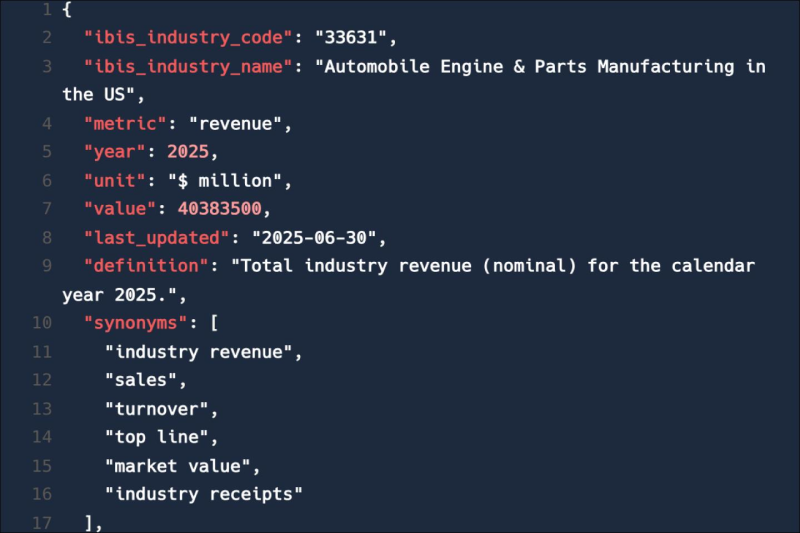
Feed trusted, human-driven industry intelligence straight into your platform.
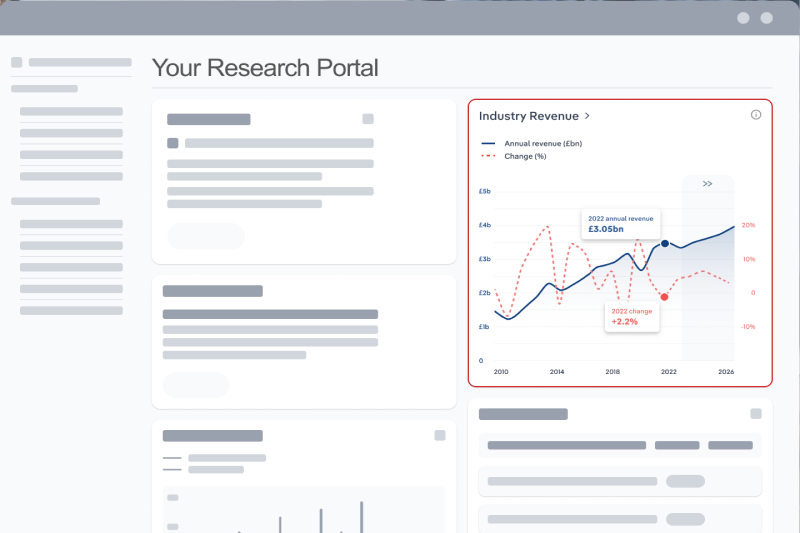
Streamline your workflow with IBISWorld’s intelligence built into your toolkit.
Explore industries with similar markets, supply chains, and economic drivers to gain broader context and insights.
| Industry | Country | Last 5-yr CAGR | Forecast 5-year CAGR | Revenue |
|---|---|---|---|---|
| Cafes and Restaurants in New Zealand |

|
XX% | XX% | $XX |
| Fast Food and Takeaway Food Services in New Zealand |
|
XX% | XX% | $XX |
| Magazine and Book Publishing in New Zealand |
|
XX% | XX% | $XX |
| Cinemas in New Zealand |
|
XX% | XX% | $XX |
| Liquor Retailing in New Zealand |
|
XX% | XX% | $XX |
| Sport and Camping Equipment Retailing in New Zealand |
|
XX% | XX% | $XX |
When the stakes are high, you need intelligence that cuts through the noise—wherever you work.
The average weekly hours worked in New Zealand in 2026 was 33.9 hours.
The average weekly hours worked in New Zealand grew by 0.54% in 2026.
IBISWorld’s data and analysis on average weekly hours worked in New Zealand includes forecasted growth rates over the next five years.