
IBISWorld Platform
Answer any industry question in minutes with our entire database at your fingertips.

IBISWorld forecasts the average age of the vehicle fleet to fall by 0.3% in 2026 to 14.58 years. Rising cost-of-living constraints and high financing prices, fueled by a sticky cash rate, have continued to weigh on new automobile sales in 2025-26, compounding lacklustre demand from individual consumers. The Reserve Bank of New Zealand maintained the official cash rate at approximately 3% as of mid-2025, with predictions predicting that it will remain over 2.5% until the end of 2026. This protracted period of relatively high borrowing prices is expected to reduce consumer expenditure on large-ticket products such as automobiles. While the worldwide microprocessor shortage significantly affected supply chains over the threeyears through 2020-2023, the problem has partly subsided. However, persisting logistical issues and cautious modifications by manufacturers have prevented the complete recovery of new car supply in New Zealand in 2024 and 2025, limiting market growth.These considerations have kept new vehicle sales muted in 2025-26, putting additional upward pressure on the average age of the vehicle fleet, which remains among the oldest globally. The light vehicle fleet's average age increased slightly to over 15 years in 2023, with nearly 44% of vehicles aged 15 years or more, reflecting delayed fleet renewal amid constrained supply and affordability challenges.As of 2025, light passenger cars account for around 74.8% of the overall fleet, continuing a slow fall from slightly less than 80% a decade earlier. Light commercial vehicles have grown their contribution to roughly 16%, indicating higher purchases and lower average ages than other vehicle classes. This infusion of newer light commercial vehicles has helped to moderate the increase in the average age of the vehicle fleet. Meanwhile, large commercial vehicles, motorbikes, buses, and other vehicle categories account for around 9% of the fleet.As of 2025-26, New Zealand continues to rely largely on used car imports to satisfy demand, however the proportion of used vehicles in imports has decreased over the last five years. In 2025, used passenger cars accounted for around 38-40% of imported light vehicles, falling from around 42% in 2022. Used trucks accounted for 28-30% of total imports, which was somewhat lower than prior years. This decrease in the share of used vehicle imports has resulted in slower rise in the average age of the vehicle fleet as newer cars join the market. Japan continues to account for the majority of used passenger car imports, accounting for more than 95%, with minor percentages coming from Australia, the United Kingdom, and the United States. Increasing customer desire for certified pre-owned vehicles with warranties, along with an increase in hybrid and electric vehicle imports, is altering the used vehicle industry in New Zealand, encouraging a more diverse fleet. Overall, IBISWorld forecasts the average age of the vehicle fleet to rise at a compound annual rate of 0.3% over the five years through 2025-26.
Curious about what drives these trends? IBISWorld's analyst coverage on the average age of vehicle fleet includes detailled analysis on the current performance, outlook and industries affected.
2000-2033
This report analyses the average age of New Zealand's vehicle fleet. This includes both passenger and commercial vehicles, motorcycles, trucks, buses and other vehicles. The data for this report is sourced from the Ministry of Transport (Te Manatu Waka) and is presented in calendar years.
IBISWorld Industry Reports are available in multiple formats to fit seamlessly into your workflow.

Answer any industry question in minutes with our entire database at your fingertips.
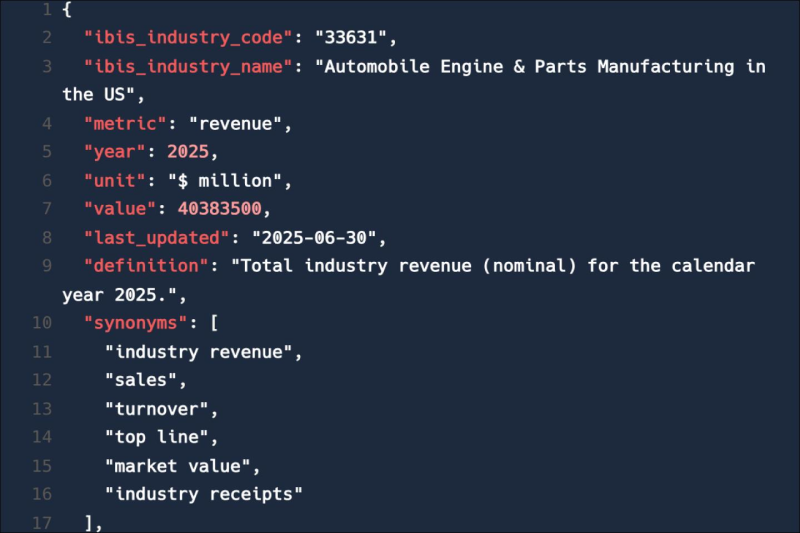
Feed trusted, human-driven industry intelligence straight into your platform.
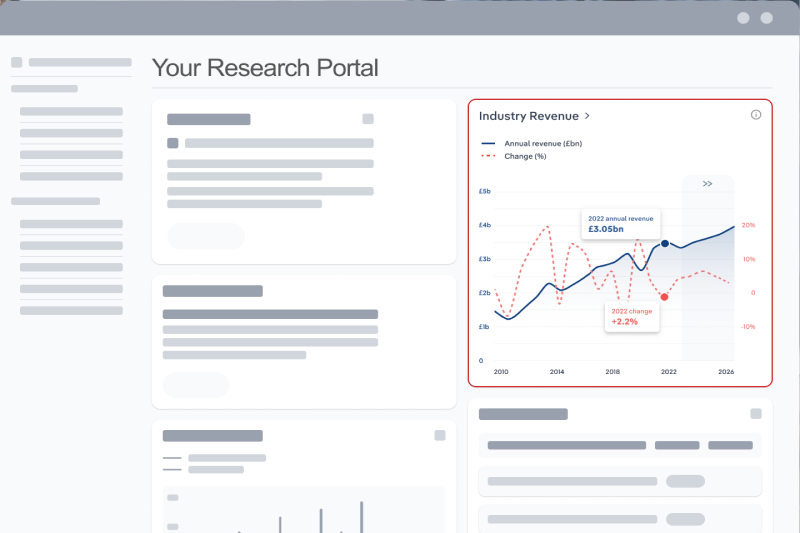
Streamline your workflow with IBISWorld’s intelligence built into your toolkit.
Explore industries with similar markets, supply chains, and economic drivers to gain broader context and insights.
| Industry | Country | Last 5-yr CAGR | Forecast 5-year CAGR | Revenue |
|---|---|---|---|---|
| Motor Vehicle Body, Paint and Interior Repair in New Zealand |

|
XX% | XX% | $XX |
| Motor Vehicle Engine and Parts Repair and Maintenance in New Zealand |
|
XX% | XX% | $XX |
| Motor Vehicle Parts Retailing in New Zealand |
|
XX% | XX% | $XX |
| Motor Vehicle New Parts Wholesaling in New Zealand |
|
XX% | XX% | $XX |
| Tyre Retailing in New Zealand |
|
XX% | XX% | $XX |
When the stakes are high, you need intelligence that cuts through the noise—wherever you work.
The average age of vehicle fleet in New Zealand in 2026 was 14.58 years.
The average age of vehicle fleet in New Zealand grew by 0.33% in 2026.
IBISWorld’s data and analysis on average age of vehicle fleet in New Zealand includes forecasted growth rates over the next five years.