
IBISWorld Platform
Answer any industry question in minutes with our entire database at your fingertips.

Freight activity for metallic ores and concentrates in Canada is set to increase by 0.8% in 2026, reaching 62.4 million metric tons. Demand from China's construction and industrial sectors remains subdued, limiting the need for iron and other ores shipped from Canada. The imposition of US tariffs on Canadian metals, including a 25% levy on iron and steel exports, has constrained cross-border shipment volumes and narrowed the market's recovery window. Modest support from domestic Canadian construction activity is providing some offset, though it is insufficient to drive broad expansion given the decline of key US export activity.Freight activity for metallic ores and concentrates experienced contraction, a brief recovery and prolonged stagnation over the five years through 2026. Lingering pandemic disruptions in 2021 caused a sharp drop in volumes as global demand collapsed and supply chains fractured. After restrictions eased, the sector rebounded in 2022 with freight activity rising 6.1%, driven by revived mining labor and pent-up demand from construction and manufacturing sectors both domestically and internationally.That recovery proved short-lived. By 2023, weakening industrial output in China and tightening trade policy had already begun reversing gains. New trade barriers, policy uncertainty and the emergence of US tariffs on Canadian nickel and other metals forced carriers and exporters to seek alternative markets, adding cost and complexity to their operations. Shifts in construction and manufacturing technology toward modular and lightweight designs also reduced reliance on traditional metallic ores over the period, placing further structural pressure on freight demand.Throughout the five-year period, non-metallic minerals outperformed metals due to their relative abundance, simpler extraction and insulation from geopolitical trade tensions. Rising operating costs, recurring labor shortages and commodity price volatility compounded difficulties for metallic ore freight carriers, requiring greater investment in supply chain efficiency and adaptability. Growing emphasis on sustainability and decarbonization in extraction and construction further reshaped material flows and freight demand. Overall, the freight of metallic ores and concentrates in Canada is set to have grown at a compound annual rate of 1.2% over the five years through 2026.
Curious about what drives these trends? IBISWorld's analyst coverage on the freight of metallic ores and concentrates includes detailled analysis on the current performance, outlook and industries affected.
1999-2032
This freight driver measures non-intermodal traffic for iron, copper, nickel, lead, zinc and other metallic ores and concentrates. Data is sourced from Statistics Canada.
IBISWorld Industry Reports are available in multiple formats to fit seamlessly into your workflow.

Answer any industry question in minutes with our entire database at your fingertips.
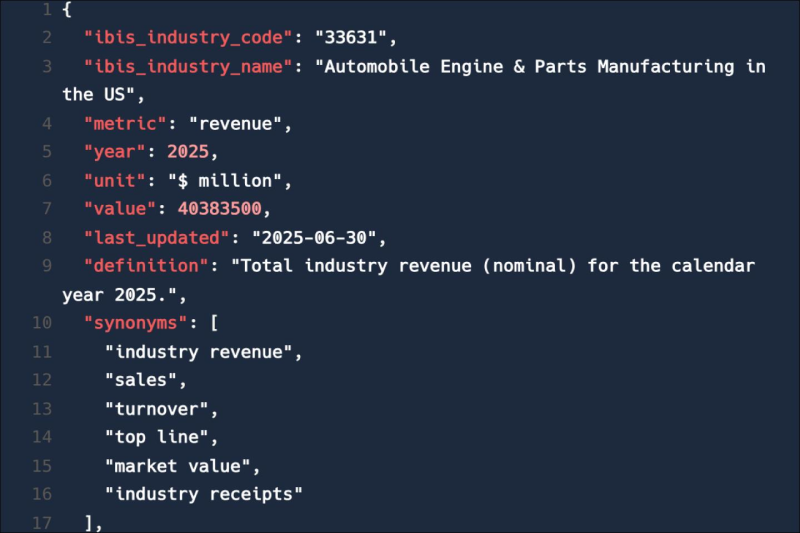
Feed trusted, human-driven industry intelligence straight into your platform.
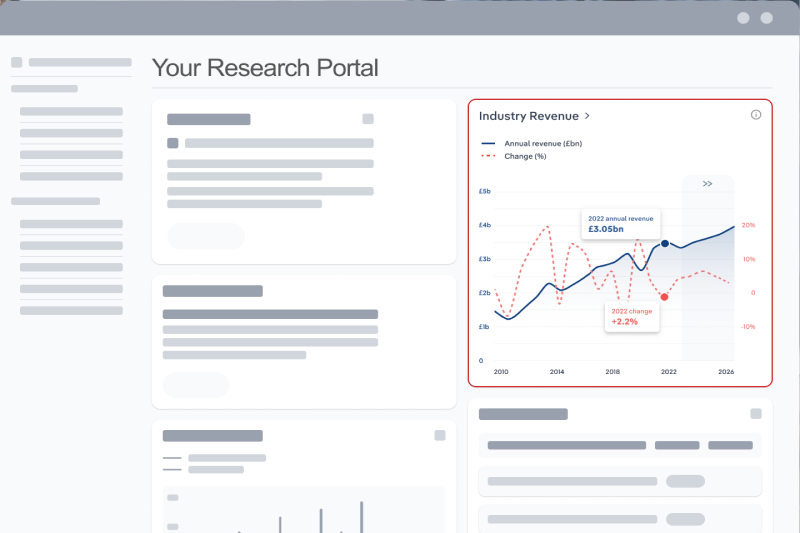
Streamline your workflow with IBISWorld’s intelligence built into your toolkit.
Explore industries with similar markets, supply chains, and economic drivers to gain broader context and insights.
| Industry | Country | Last 5-yr CAGR | Forecast 5-year CAGR | Revenue |
|---|---|---|---|---|
| Copper, Nickel, Lead & Zinc Mining in Canada |

|
XX% | XX% | $XX |
When the stakes are high, you need intelligence that cuts through the noise—wherever you work.
The freight of metallic ores and concentrates in Canada in 2026 was 62.37 million metric tons.
The freight of metallic ores and concentrates in Canada grew by 1.18% in 2026.
IBISWorld’s data and analysis on freight of metallic ores and concentrates in Canada includes forecasted growth rates over the next five years.