
IBISWorld Platform
Answer any industry question in minutes with our entire database at your fingertips.

IBISWorld expects the Australian population to increase by 1.3% during 2025-26, to reach 28,012,200 people. Growth in the population comes from natural increases, represented by births minus deaths, and net overseas migration. Net migration consists of three broad categories, which are net permanent arrivals, net temporary residents, and net other arrivals, such as returning and departing citizens. Net migration is expected to remain above 230,000 people in 2025-26, placing upwards pressure on the nation's population. Similarly, the number of births is expected to outweigh the number of deaths by over 90,000 in 2025-26, further contributing to population growth.Over the past five years, the total population has increased. Improving medical technology and advances in healthcare services have contributed to population growth, as life expectancy has risen and people are living longer. As a result, the number of people aged 70 and over is growing at a faster rate than the overall population, which is indicative of Australia's ageing population. The proportion of people in this age group relative to the total population was 5.3% in 1970-71 but had increased to 12.3% in 2023-24, according to the latest available data from the ABS.Population growth has been impacted by volatility in net migration over the past five years, primarily due to the pandemic and its lasting impacts. Population growth was subdued in 2020-21, as the Australian Government's border restrictions limited migration into the country. As a result, net migration was negative for the first time since the end of World War II. Outside of the decline in inbounds migrants, Australia's birth rate remained in excess of the death rate, resulting in the total population growing by 0.1% over the course of the year, marking the lowest rate since before the 1970s. As restrictions eased, net migration rebounded with inbound migrants outweighing outbound emigrants. This drove strong population growth over the three years through 2023-24. Net migration declined but remained above 200,000 people in 2024-25, continuing to push up the Australian population. The number of births also remained above the number of deaths, exacerbating this trend. Overall, IBISWorld forecasts the Australian population to grow at a compound annual rate of 1.7% over the five years through 2025-26.
Curious about what drives these trends? IBISWorld's analyst coverage on the population includes detailled analysis on the current performance, outlook and industries affected.
1971-2033
This report analyses the Australian population, including all citizens and residents. A resident is someone that has been residing in, or plans to reside in, Australia for 12 months or more over a 16-month period. The data for this report is sourced from the Australian Bureau of Statistics and is measured in people residing in Australia at the end of each financial year.
IBISWorld Industry Reports are available in multiple formats to fit seamlessly into your workflow.

Answer any industry question in minutes with our entire database at your fingertips.
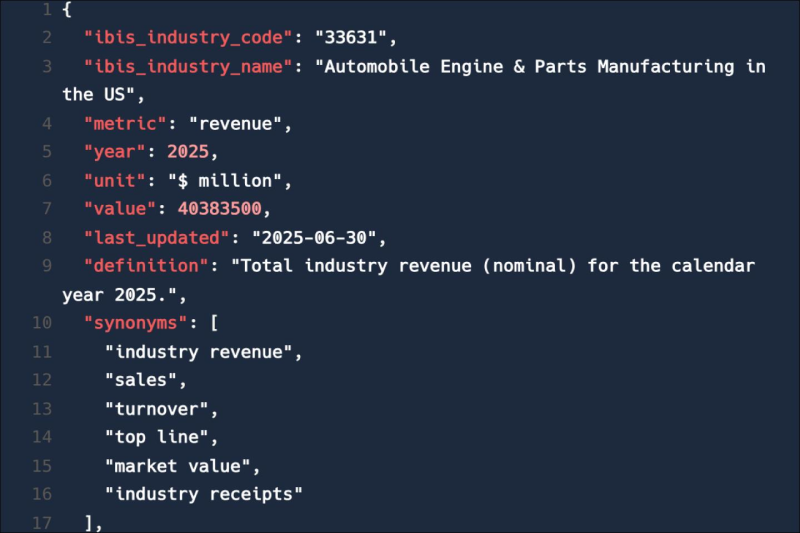
Feed trusted, human-driven industry intelligence straight into your platform.
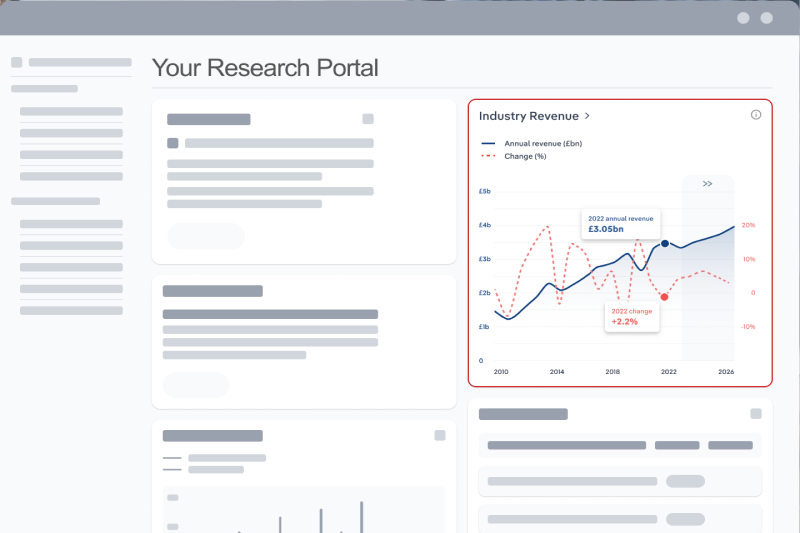
Streamline your workflow with IBISWorld’s intelligence built into your toolkit.
Explore industries with similar markets, supply chains, and economic drivers to gain broader context and insights.
When the stakes are high, you need intelligence that cuts through the noise—wherever you work.
The population in Australia in 2026 was 28,012,200 people.
The population in Australia grew by 1.75% in 2026.
IBISWorld’s data and analysis on population in Australia includes forecasted growth rates over the next five years.