
IBISWorld Platform
Answer any industry question in minutes with our entire database at your fingertips.

IBISWorld forecasts the national unemployment rate to rise by 0.17 percentage points in 2025-26, to average 4.26% over the year. As of April 2026, the national unemployment rate was measured at 4.49%, up from 4.08% the previous year. The RBA anticipates the labour market to remain tight over the next few months, with the unemployment rate stabilising around 4.2% in the first half of 2026. However, these conditions are expected to ease slightly, placing upwards pressure on the unemployment rate over the rest of the year, rising marginally to 4.3% throughout the later stage of 2026. Recent geopolitical tensions in the Middle East, beginning in March 2026, have added to inflationary pressure. As the RBA hikes the cash rate, tight monetary policy is set to soften labour demand. The US-Israel-Iran conflict has added significant volatility to the economy, and weakening real GDP growth amid these global supply shocks will also slow hiring activity. Forecasts from major banks estimate the unemployment rate will continue to climb, peaking up to 4.73% by the end of 2027-28 before normalising.The unemployment rate rose sharply in late 2019-20, due to the onset of the pandemic and associated lockdown measures. Lockdowns and social distancing requirements led to the Australian economy entering a recession for the first time in nearly 30 years. The closure of many non-essential businesses and international borders effectively shut down demand for sectors like tourism, retail and recreational activities. In response, many businesses cut costs and personnel, resulting in reduced employment across the economy. The unemployment rate peaked at 7.44% in July 2020, but remained elevated throughout 2020-21, particularly in the first half of the financial year. However, the unemployment rate largely trended downward between the start of 2021 and the end of the 2021-22 financial year. Economic support packages, including quantitative easing via the Reserve Bank and the Federal Government's JobKeeper Payment scheme, placed downward pressure on the unemployment rate throughout this period. By October 2022, the national unemployment rate had fallen to a low of 3.44%, with job vacancies near record highs in the wake of the pandemic. In 2022-23, the unemployment rate was relatively stable, ranging from 3.4% to 3.7% throughout the year. Labour demand was strong as the economy rebounded, with households spending excess savings accumulated during the pandemic's high discretionary incomes.The unemployment rate trended upwards across 2023-24 and 2024-25, as high inflation caused households to cut back on spending, limiting private-sector businesses' ability to maintain high job-creation rates. This trend was exacerbated by the RBA holding interest rates at or above 4.10% for the two-year period to combat high inflation. Continued strong positive net migration also allowed supply to catch up to the labour demand created by the initial post-pandemic boom, placing further upwards pressure on the unemployment rate. The Middle East conflict, beginning in March 2026, has added to inflationary pressures, prompting the RBA to hike the cash rate to bring it under control. Businesses are also grappling with surging energy and transportation costs. All of these factors, like elevated borrowing costs and hiked operational costs, have reduced private-sector expansion. Overall, IBISWorld forecasts the national unemployment rate to decline at an average annual rate of 0.39 percentage points over the five years through 2025-26, coming from a relatively high base year.
Curious about what drives these trends? IBISWorld's analyst coverage on the national unemployment rate includes detailled analysis on the current performance, outlook and industries affected.
1979-2033
This report analyses the national unemployment rate. The national unemployment rate measures the number of people who are unemployed, actively looking for work and available to start work immediately, as a percentage of the total labour force. The labour force includes everyone aged 15 or older who is working or unemployed. People who are not employed and not seeking employment are excluded from the labour force, and therefore do not contribute to the national unemployment rate. The data is presented as a 12-month average of monthly unemployment figures each financial year. The data is seasonally adjusted and sourced from the Australian Bureau of Statistics. The national unemployment rate is measured in percentage points.
IBISWorld Industry Reports are available in multiple formats to fit seamlessly into your workflow.

Answer any industry question in minutes with our entire database at your fingertips.
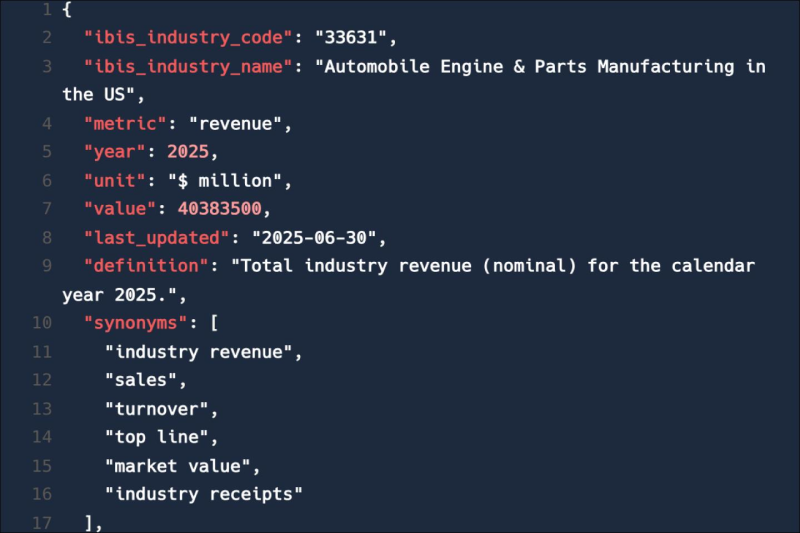
Feed trusted, human-driven industry intelligence straight into your platform.
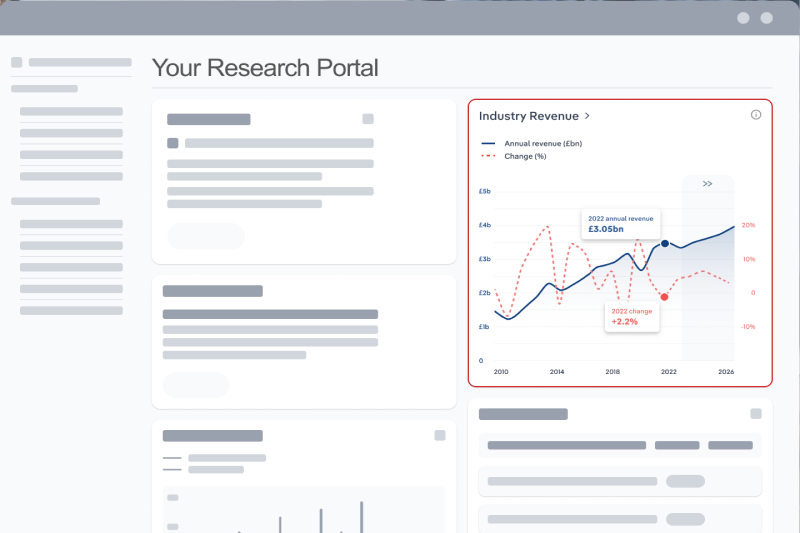
Streamline your workflow with IBISWorld’s intelligence built into your toolkit.
Explore industries with similar markets, supply chains, and economic drivers to gain broader context and insights.
When the stakes are high, you need intelligence that cuts through the noise—wherever you work.
The national unemployment rate in Australia in 2026 was 4.26 percentage.
The national unemployment rate in Australia declined by -0.4% in 2026.
IBISWorld’s data and analysis on national unemployment rate in Australia includes forecasted growth rates over the next five years.