
IBISWorld Platform
Answer any industry question in minutes with our entire database at your fingertips.

IBISWorld forecasts the proportion of household income remaining after making mortgage repayments to dip by 0.6 percentage points in 2025-26 to 60.4%. This indicates that mortgages are expected to become less affordable for households over 2025-26, as a higher proportion of their income is allocated to repayments. This comes about as the Reserve Bank of Australia (RBA) has hiked the cash rate by 25 basis points to 3.85%, the first rate hike since November 2023. The central bank has attributed the decision to mounting inflationary pressure in the second half of 2025. With the cash rate still remaining at the same level as in July 2025, expected increases in the residential housing prices will also contribute to the dip in mortgage affordability.Interest rates are typically the primary driver of mortgage affordability and are responsible for much of the change in mortgage repayments. The cash rate was at its historic lows as the central bank sought to address concerns like slower growth, below-target inflation and rising unemployment. The subdued economic activity caused by the pandemic also led the RBA to extend the length of time the cash rate would remain low as it sought to stimulate the economy and encourage lending. At the same time, competition between lenders also reduced interest rates. This has helped partially offset the rise in household mortgage repayments over the period. Notably, the cash rate reached its lowest rate in November 2020 and stayed low until May 2022. This low cash rate translated into lower mortgage interest rates for households, making it less costly to borrow money.Another major component of mortgage affordability is residential property prices. Residential housing prices have grown enormously over most of the past five-year period because of the demand-supply imbalance. Although trends in residential property prices can vary by state, average residential housing prices have grown across all states and territories over the period. Low interest rates and increasing demand for residential property from owner-occupiers and first home buyers fuelled strong housing price growth. In addition, government incentives like the First Home Buyer Schemes, negative gearing and capital gains tax discounts provided aspiring homeowners and investors with additional incentives to purchase residential property, fuelling the rise in house prices. Supply-side induced pressures, driven by surging construction costs and labour scarcity, have slowed construction activity, exacerbating the price hike over most of the past five years.High rates of overseas migration into Australia have pushed housing prices further upwards in recent years - especially in 2023, which saw 737,170 arrivals, the largest number over the past 20 years. This, combined with favourable policies like negative gearing, capital gains tax discounts and slow housing approvals, has led to a demand-supply imbalance, further contributing to the sustainability of high housing prices in Australia. Henceforth, in recent years, high interest rates and housing prices have contributed to higher monthly mortgage repayments over the past five years. However, this has been partially curbed by growth in household incomes. Low unemployment rates and government support packages have supported income growth, limiting declines in housing affordability over the same period. Overall, IBISWorld forecasts the proportion of household income remaining after making mortgage repayments to fall at an average annual rate of 3.2 percentage points over the five years through 2025-26.
Curious about what drives these trends? IBISWorld's analyst coverage on the mortgage affordability includes detailled analysis on the current performance, outlook and industries affected.
2004-2033
This report analyses mortgage affordability in Australia, which is measured as the proportion of a household's monthly income that remains after making their mortgage repayment. This is calculated based on the average monthly repayments for a standard 25-year mortgage on the mean house price less a deposit in Australia. An increase in the percentage indicates an improvement in the affordability of the average mortgage. The data for this report is sourced from the Australian Bureau of Statistics and is measured as a percentage of average household income.
IBISWorld Industry Reports are available in multiple formats to fit seamlessly into your workflow.

Answer any industry question in minutes with our entire database at your fingertips.
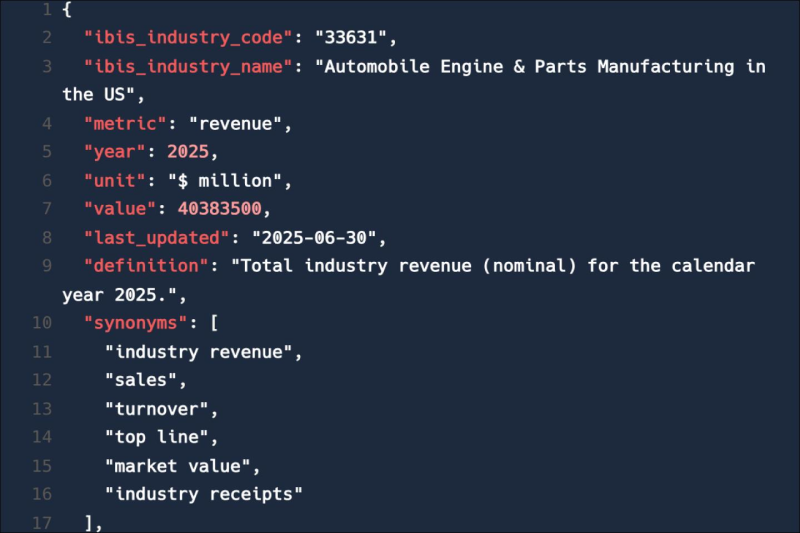
Feed trusted, human-driven industry intelligence straight into your platform.
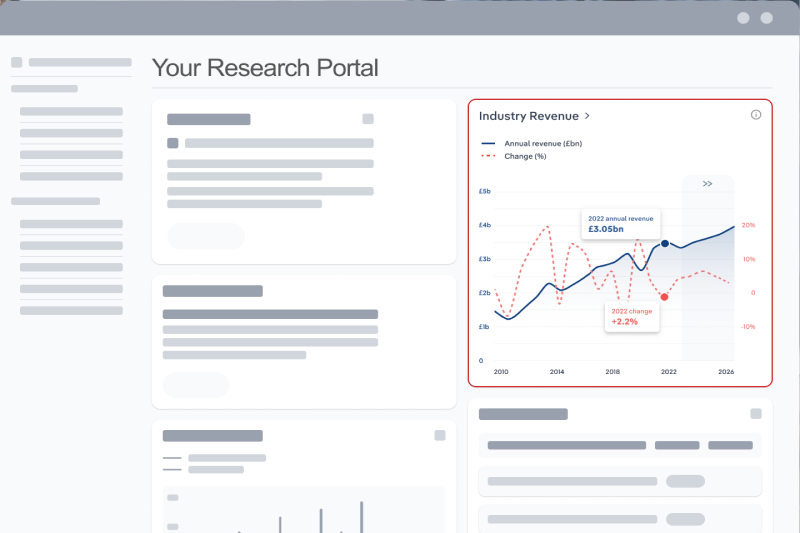
Streamline your workflow with IBISWorld’s intelligence built into your toolkit.
Explore industries with similar markets, supply chains, and economic drivers to gain broader context and insights.
When the stakes are high, you need intelligence that cuts through the noise—wherever you work.
The mortgage affordability in Australia in 2026 was 60.4 percentage.
The mortgage affordability in Australia declined by -3.18% in 2026.
IBISWorld’s data and analysis on mortgage affordability in Australia includes forecasted growth rates over the next five years.