
IBISWorld Platform
Answer any industry question in minutes with our entire database at your fingertips.

IBISWorld expects international arrivals into Australia to rise by 1.0% in 2025-26, to 8.48 million. International visitor arrivals performed strongly between July and December 2025, increasing by 12.5% over the same 6-month period in 2024-25. In particular, international visitor arrivals were up 19.5% in November 2025 compared to November 2024, buoyed by strong increases in Chinese tourism and highly anticipated international sporting events, including the Ashes cricket series, which brought in an estimated 40,000 to 50,000 visitors from the United Kingdom. The strategic partnership between Virgin Australia and Qatar Airways, which began in July 2025, has also supported growth in inbound international travel by increasing the number of flights to Australia from Europe via Doha and intensifying price competition with the traditionally dominant Qantas-Emirates codeshare routes travelling via Dubai. Despite figures from the first half of the year putting international visitor arrivals on pace to eclipse pre-pandemic benchmarks for the first time, the onset of the conflict between the United States and Iran is set to significantly impact tourism between February and June 2026. While flight routes from some of Australia's largest tourist markets, like New Zealand, Asia and North America, are relatively insulated from the conflict, flight routes from and via major airports in the Middle East have been significantly impacted. As a result, tourists from Europe are likely to reconsider or cancel travel plans entirely over the coming months, reversing some of the gains in inbound tourism witnessed in the first half of 2025-26. This impact is also set to be magnified by an appreciation of the Australian Dollar, as the RBA's contractionary monetary policy decision has diverged from the monetary policy trends in many other developed economies. Higher interest rates in the Australian market have created demand for the Australian dollar from investors, driving up currency valuation but simultaneously reducing the purchasing power of many foreign tourists.Over the past five years, international travel to Australia has slowly recovered from pandemic-induced declines, with international visitors plummeting to 150,000 in 2020-21. This figure improved to 1.19 million in 2021-22 as international borders opened to all vaccinated travellers in February 2022. From 6 July 2022, international visitors no longer need to provide proof of vaccination or complete passenger declaration forms. While international travel has been operating under mostly normal conditions since this period, the recovery has been long-winded. International arrivals spiked throughout 2022-23 and 2023-24, reaching 7.97 million by the end of this two-year period. However, international traveller inflows remained well below pre-pandemic benchmarks, as global economic challenges, like high inflation, resulted in escalating travel expenses and tighter budgets for potential foreign travellers. While the growth rate of international visitors to Australia continued to diminish in 2024-25, total short-term visitor arrivals continued to climb, jumping by almost 450,000 over the year. A depreciation of the Australian dollar in 2024-25 relative to many major currencies, including the US Dollar, Pound Sterling, Euro and Chinese Yuan, made travel to Australia more attractive by boosting international visitors' purchasing power. Overall, IBISWorld expects the number of international arrivals to expand by a compound annual rate of 124.1% over the five years through 2025-26, with this figure being highly inflated by a pandemic-impacted base year.
Curious about what drives these trends? IBISWorld's analyst coverage on the international travel to australia includes detailled analysis on the current performance, outlook and industries affected.
1992-2033
This report analyses the number of short-term foreign arrivals into Australia. This is defined as people who intend to stay in Australia for less than one year. Reasons for arriving in Australia include holidays, visiting friends and relatives, business travel, short-term employment and other reasons such as medical operations and education. The data for this report is sourced from the Australian Bureau of Statistics and is measured in millions of arrivals per financial year.
IBISWorld Industry Reports are available in multiple formats to fit seamlessly into your workflow.

Answer any industry question in minutes with our entire database at your fingertips.
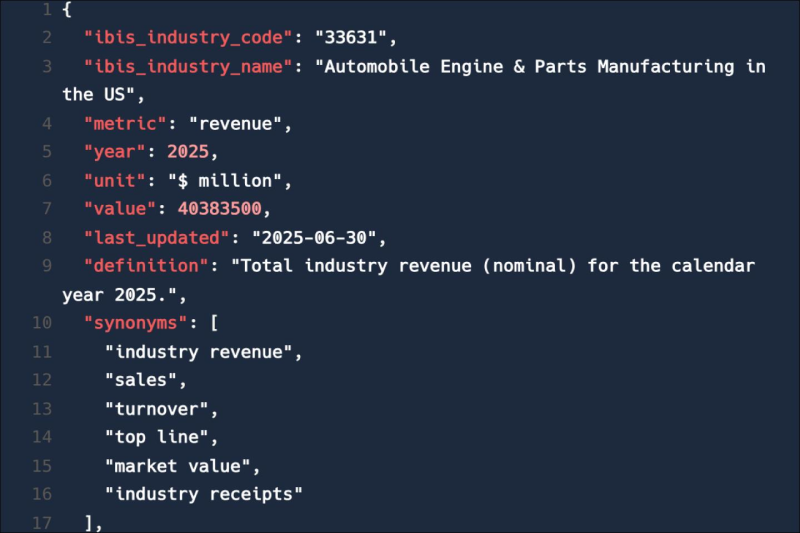
Feed trusted, human-driven industry intelligence straight into your platform.
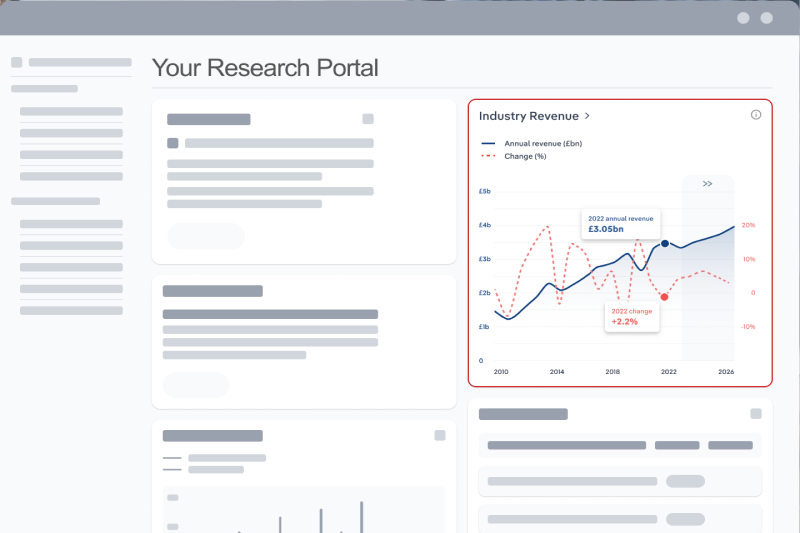
Streamline your workflow with IBISWorld’s intelligence built into your toolkit.
Explore industries with similar markets, supply chains, and economic drivers to gain broader context and insights.
When the stakes are high, you need intelligence that cuts through the noise—wherever you work.
The international travel to australia in Australia in 2026 was 8.48 million.
The international travel to australia in Australia grew by 124.11% in 2026.
IBISWorld’s data and analysis on international travel to australia in Australia includes forecasted growth rates over the next five years.