
IBISWorld Platform
Answer any industry question in minutes with our entire database at your fingertips.

IBISWorld forecasts capital expenditure by the private sector to inch downwards by 0.02% in 2025-26, to total $502.6 billion. Private-sector capital spending is set to soften in 2025-26 as conditions for big investments shift. The Reserve Bank of Australia raised the cash rate to 3.85% in February 2026, making loans more expensive and lifting the bar for investment returns. Labour shortages and supply issues continue to make construction costly and slow, while projects often face lengthy approval times. According to the RBA, gains have mostly come from a few areas like data centres and aircraft, which are unlikely to deliver the same boost each year. These factors are prompting businesses to become more cautious about spending.The onset of the COVID-19 pandemic led to a sharp decline in private capital expenditure in late 2019-20. Expenditure decreased in most categories, with machinery and equipment and private dwellings strongly affected. Meanwhile, initiatives by state and federal governments to stimulate economic activity following the COVID-19 pandemic have encouraged private capital investment. The broadening of the Federal Government's instant asset write-off scheme was particularly effective, driving strong growth in machinery and equipment expenditure. Significant renovation activity in residential dwellings also contributed to the overall rise in private-sector capital expenditure over 2020-21. Although it ended in 2021, the Federal Government's HomeBuilder scheme encouraged capital expenditure on private dwellings. In particular, capital expenditure on additions and alterations rose significantly towards the end of the scheme, supported by a surge in last-minute applications.Capital spending on non-residential construction has been volatile over the past five years, though overall it has risen. The onset of COVID-19 and subsequent economic constraints led to many privately funded construction projects being postponed or cancelled, negatively affecting capital spending on engineering construction projects. Nevertheless, private capital expenditure on non-residential construction has been spurred on by investment in areas like data centres and airports, with recent examples including Firmus's 2026 debt-backed push to build out AI/data-centre infrastructure, AirTrunk's 2025 expansion of a second hyperscale data centre Melbourne campus and Sydney Airport's 2024-2029 capital works program to upgrade terminals and precinct infrastructure. Overall, IBISWorld forecasts private-sector capital expenditure to rise at a compound annual rate of 2.6% over the five years through 2025-26.
Curious about what drives these trends? IBISWorld's analyst coverage on the capital expenditure by the private sector includes detailled analysis on the current performance, outlook and industries affected.
1986-2033
This report analyses total capital expenditure by the private sector. This includes expenditure on machinery and equipment, dwelling and non-dwelling construction, cultivated biological resources, intellectual property products and any ownership transfer costs. The data for this report is sourced from the Australian Bureau of Statistics and is measured in billions of seasonally adjusted 2021-22 dollars.
IBISWorld Industry Reports are available in multiple formats to fit seamlessly into your workflow.

Answer any industry question in minutes with our entire database at your fingertips.
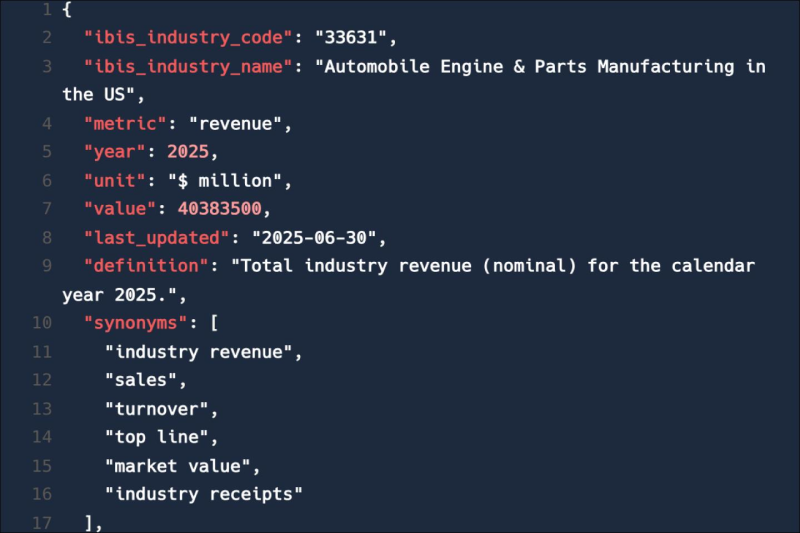
Feed trusted, human-driven industry intelligence straight into your platform.
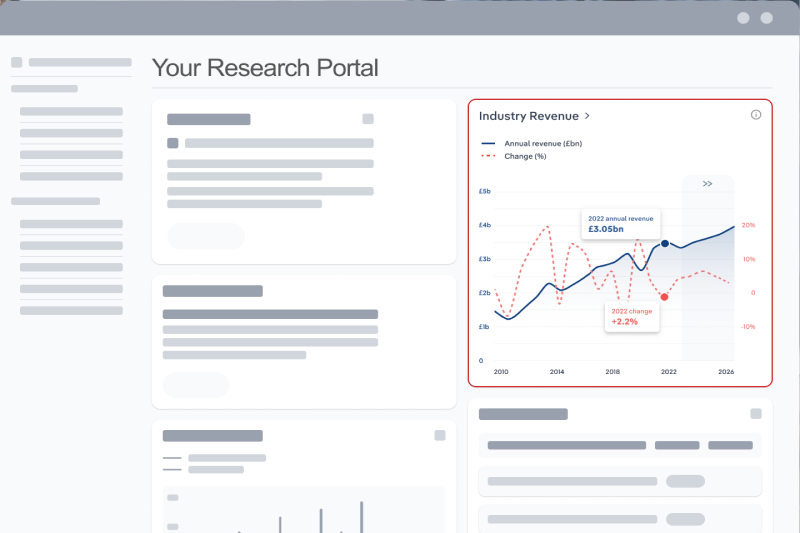
Streamline your workflow with IBISWorld’s intelligence built into your toolkit.
Explore industries with similar markets, supply chains, and economic drivers to gain broader context and insights.
When the stakes are high, you need intelligence that cuts through the noise—wherever you work.
The capital expenditure by the private sector in Australia in 2026 was $502.6 billion.
The capital expenditure by the private sector in Australia grew by 2.58% in 2026.
IBISWorld’s data and analysis on capital expenditure by the private sector in Australia includes forecasted growth rates over the next five years.